DD360plus: Compact EO, Thermal, and Laser Gimbal
Gimbal Pod · Product guide
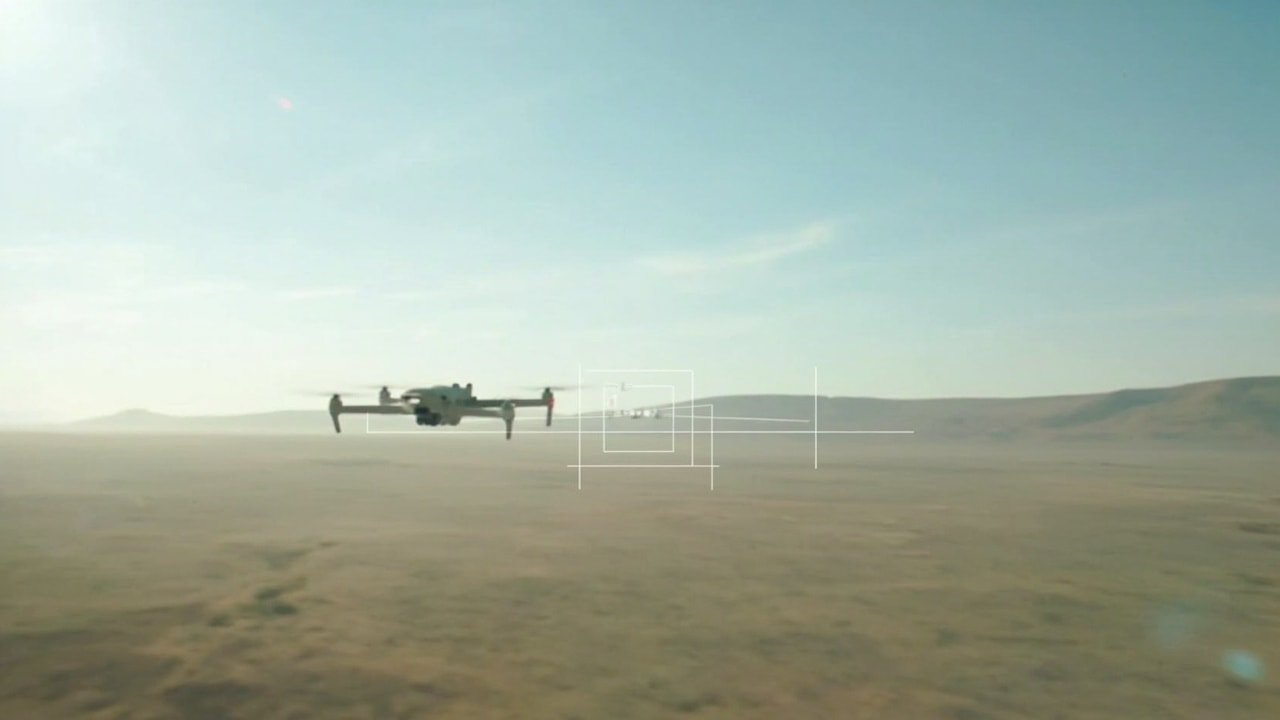
The DD360plus is a compact three-mode UAV gimbal payload combining FHD electro-optical video, infrared thermal imaging, and a laser rangefinder. It is aimed at integrators and civilian operators who need stabilized observation, visible-light zoom, target tracking, and distance measurement from an aerial or robotic platform.
Verified specifications
| Sensor configuration | FHD EO camera, 640×512 infrared camera, and laser rangefinder |
|---|---|
| EO video | 1920×1080 at 60fps |
| Infrared video | 640×512 at 60fps |
| Visible-light zoom | 10x optical zoom |
| Laser measurement range | 1,000m with stated accuracy of ±1m |
| Stabilization accuracy | 0.1mrad at 1 degree/2Hz, 1 sigma |
| Payload weight | 450g |
| Power input | 12–28V DC |
| Power consumption | Average ≤10W; maximum ≤20W |
| Control and video interfaces | RS232 and TCP control; network video output |
| Gimbal motion | 360-degree yaw, -100 to +100-degree pitch, and ±45-degree roll |
| Video encoding | H.264 or H.265 |
Three Sensors in One Payload
The DD360plus combines a 1920×1080 electro-optical camera, a 640×512 infrared camera, and a laser rangefinder within a single gimbal pod. The EO channel supports 10x optical zoom, while the thermal channel provides a separate 18.1 by 14.5-degree field of view for viewing conditions where visible-light detail may be limited.
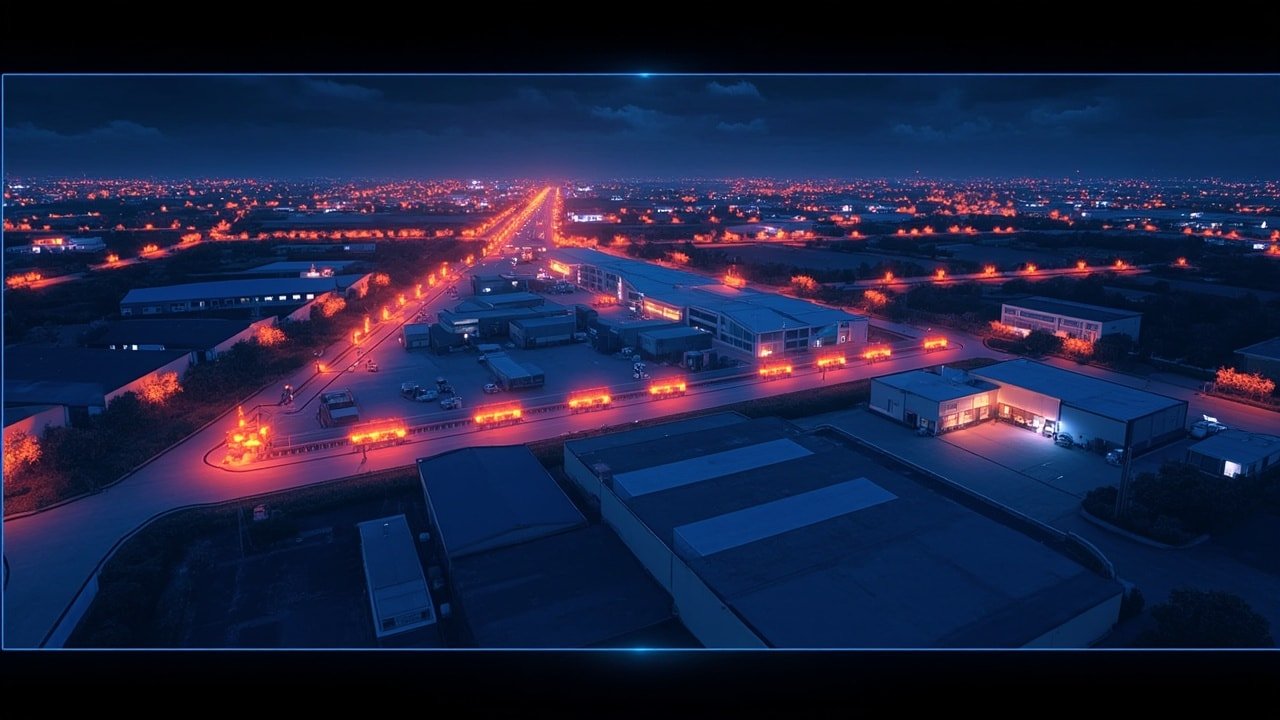
Operators can select multiple infrared palettes, display a temperature bar, and adjust visibility. Picture-in-picture and OSD overlays can present camera, target, and robot information. These are display and operating features; actual scene interpretation still depends on conditions, configuration, and the operator’s imaging workflow.
- EO field of view: 61.3 by 36.9 degrees wide
- Telephoto EO field of view: 6.8 by 3.9 degrees
- Maximum angular velocity: at least 100 degrees per second
Stabilized Observation and Tracking
The three-axis gimbal supports continuous 360-degree yaw rotation, pitch movement from -100 to +100 degrees, and roll movement of ±45 degrees. Its stated stabilization accuracy is 0.1mrad at 1 degree/2Hz, while angular position accuracy is listed at no more than 0.3 degrees. These values help define the mechanical performance expected during integration.
Tracking and identification functions are documented for vehicle and human tracking, with a stated tracking capability of at least 40 degrees per second. The quick-disassembly structure allows the pod to be removed from a compatible platform for transport or maintenance without separating its three imaging modes into separate units.
- Vehicle and human tracking are documented operating functions
- Quick-disassembly structure simplifies payload handling
- Four M2.5 mounting holes are listed in the dimensional drawing
Civilian Monitoring Applications
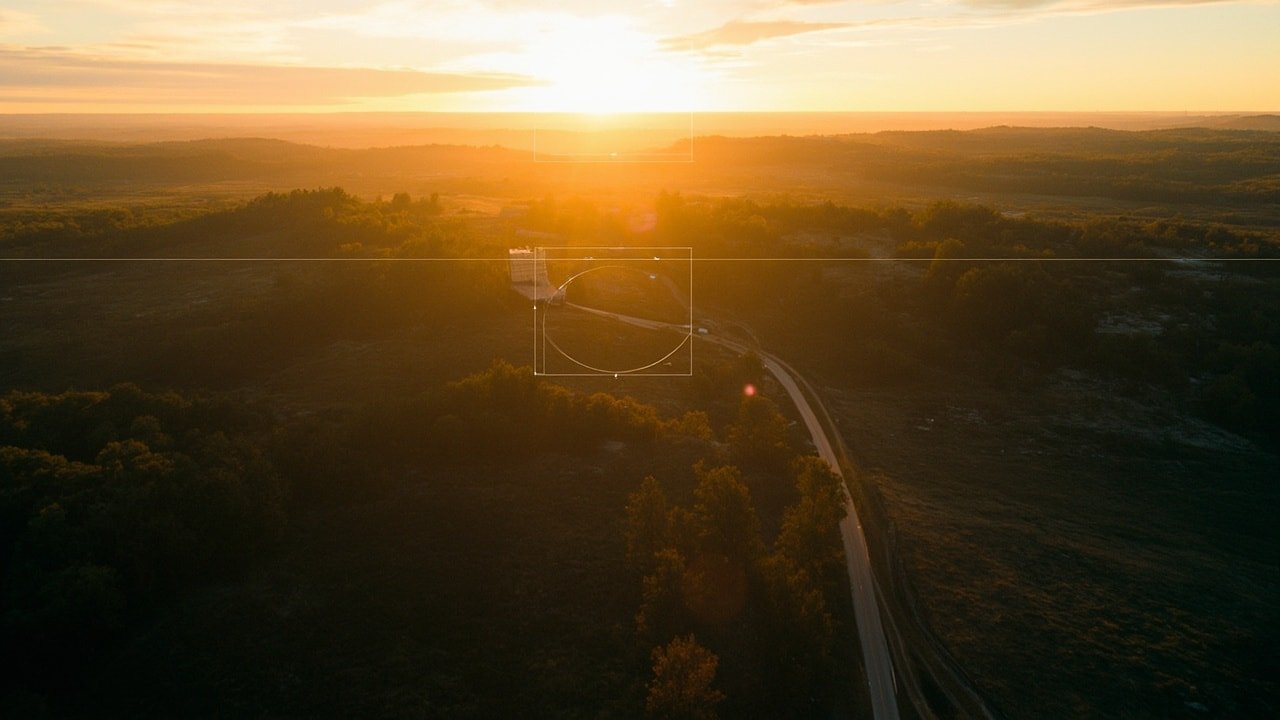
The combined sensor package is intended for public-security patrols, law-enforcement observation, environmental monitoring, and forest-fire monitoring. Visible and infrared imagery can be used according to the conditions of a particular task, while laser ranging adds a distance measurement channel for identifying the position of an observed object.
The 450g weight may suit compact aerial or robotic installations where payload capacity and gimbal integration are important considerations. Operators should assess the available power, mounting arrangement, control software, and field of view for each mission. The listed applications describe intended uses rather than certification for a specific regulatory role.
- Public-security and law-enforcement observation
- Environmental inspection from aerial or robotic systems
- Forest-fire monitoring with thermal imagery
Integration and Selection Checks
Integration begins with confirming platform capacity and the available 12–28V DC power source. Average consumption is stated at no more than 10W and maximum consumption at no more than 20W, allowing a power budget to be checked before installation. Network video output supports H.264 or H.265 encoding, and recorded video uses MP4.
The documented control methods are RS232 and TCP. Integrators should also verify the physical mounting pattern, available clearance, required gimbal-control commands, and the platform’s ability to accept the network video stream. Payload weight and mechanical dimensions are confirmed product data, but compatibility with a specific aircraft or robot still requires an installation check.
- Confirm payload capacity and 12–28V DC supply
- Validate RS232 or TCP control integration
- Check mounting clearance and network video routing
Frequently asked questions
What imaging modes does the DD360plus provide?
It combines an FHD electro-optical camera, a 640×512 infrared thermal camera, and a laser rangefinder. The EO camera records at 1920×1080 and 60fps with 10x optical zoom, while the infrared channel also operates at 60fps and supports adjustable thermal display options.
How far can the laser rangefinder measure?
The stated maximum measuring distance is 1,000m, with a specified measurement accuracy of ±1m. This range is useful for adding positional context to aerial or robotic observations, although real mission performance can depend on the target and operating environment.
How should the gimbal be powered and controlled?
The DD360plus accepts a 12–28V DC input and uses RS232 or TCP for control. Average power consumption is listed at no more than 10W, with a maximum of 20W. Video is delivered through network output using H.264 or H.265 encoding.
Is the DD360plus compatible with every UAV or robot?
No universal compatibility is documented. The 450g payload, four M2.5 mounting holes, power requirements, mechanical clearances, control interface, and network video workflow must be checked against the intended aircraft or robotic platform before installation.