DT30DL Multi-Sensor Gimbal for Multi-Mission Aerial Work
Gimbal Pod · Product guide
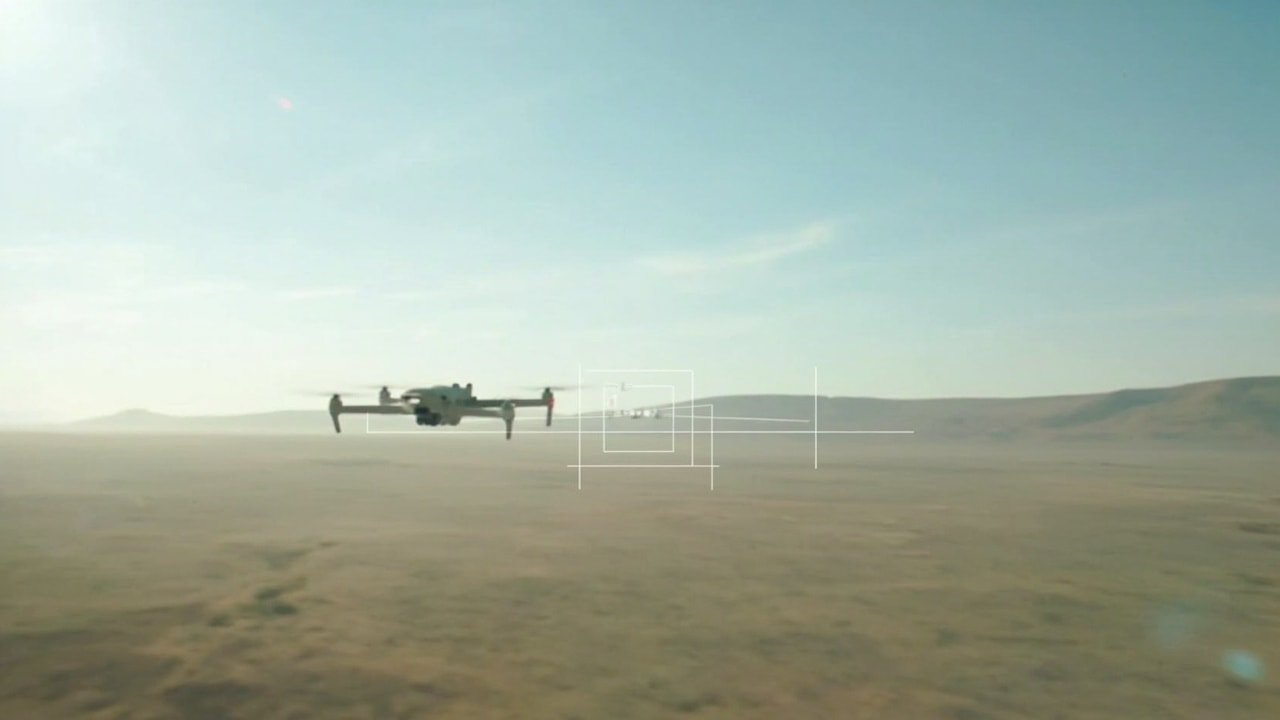
The DT30DL is a stabilized EO/IR gimbal payload for UAVs, drones, robotic platforms and airborne surveillance systems. It combines a 30× zoom camera, fixed wide-angle EO camera, dual-field thermal imaging and a laser rangefinder. Operators can use it for daytime observation, low-light thermal review, target tracking, range measurement and coordinated inspection work across civilian missions.
Verified specifications
| EO zoom camera | 1920 × 1080 at 60 fps; 4.5–135 mm lens; 30× continuous optical zoom |
|---|---|
| Wide-angle EO camera | 2.8 mm fixed-focus visible-light lens |
| Thermal imaging | 640 × 512 at 60 fps with 13.5 mm wide and 50 mm telephoto lenses |
| Laser measurement range | 30–3,000 m |
| Stabilization | Three-axis gyro-stabilized gimbal; stated accuracy of 0.1 mrad at 1°/2 Hz, 1σ |
| Gimbal rotation | Unrestricted continuous yaw; pitch of -100° to +100°; roll of ±45° |
| Power | 12–28 V DC input; average consumption ≤20 W; maximum ≤30 W |
| Interfaces and installation | RS232 and Network TCP control; four M3 mounting holes; SMA interface; quick-release structure |
Visible and Thermal Imaging
The visible-light system pairs a 4.5–135 mm, 30× continuous zoom camera with a 2.8 mm fixed wide-angle camera. The zoom channel provides 1920 × 1080 video at 60 fps, while the thermal system provides 640 × 512 imagery at 60 fps through 13.5 mm and 50 mm infrared fields. Picture-in-picture, OSD overlays, configurable thermal palettes, H.264/H.265 streaming and MP4 recording support visual comparison and review.
Stabilization, Tracking and Ranging
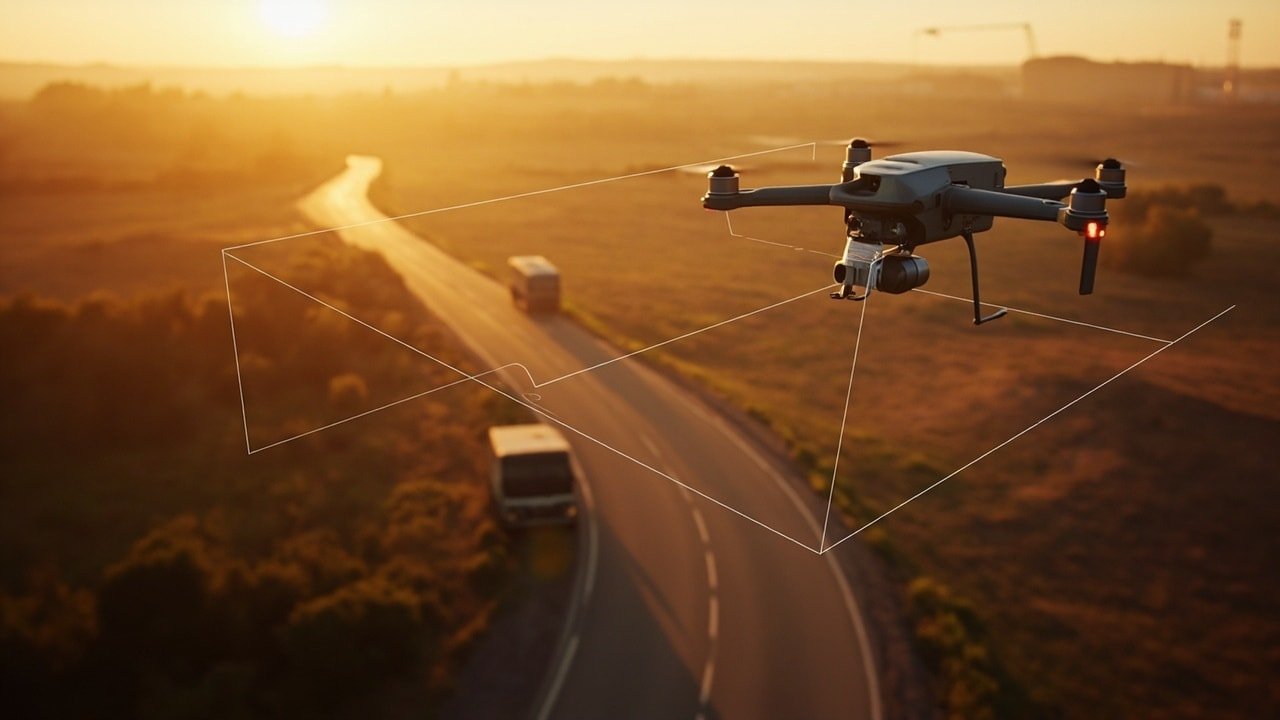
A three-axis gyro-stabilized gimbal is specified to limit image movement during aircraft vibration, banking and maneuvering. Yaw rotation is unrestricted, while pitch spans -100° to +100° and roll spans ±45°. The payload also supports automatic vehicle and human recognition with selectable tracking modes, a stated maximum tracking speed of at least 40°/s, and laser ranging from 30 to 3,000 meters.

Civilian Mission Applications
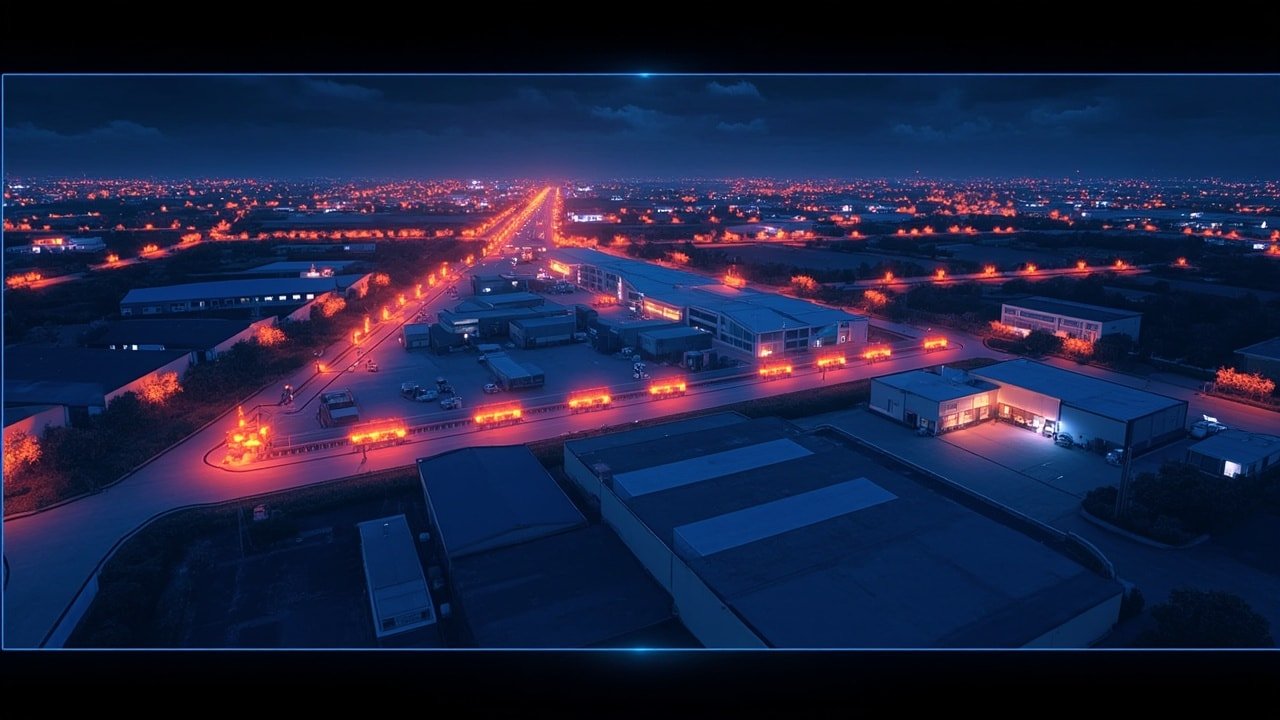
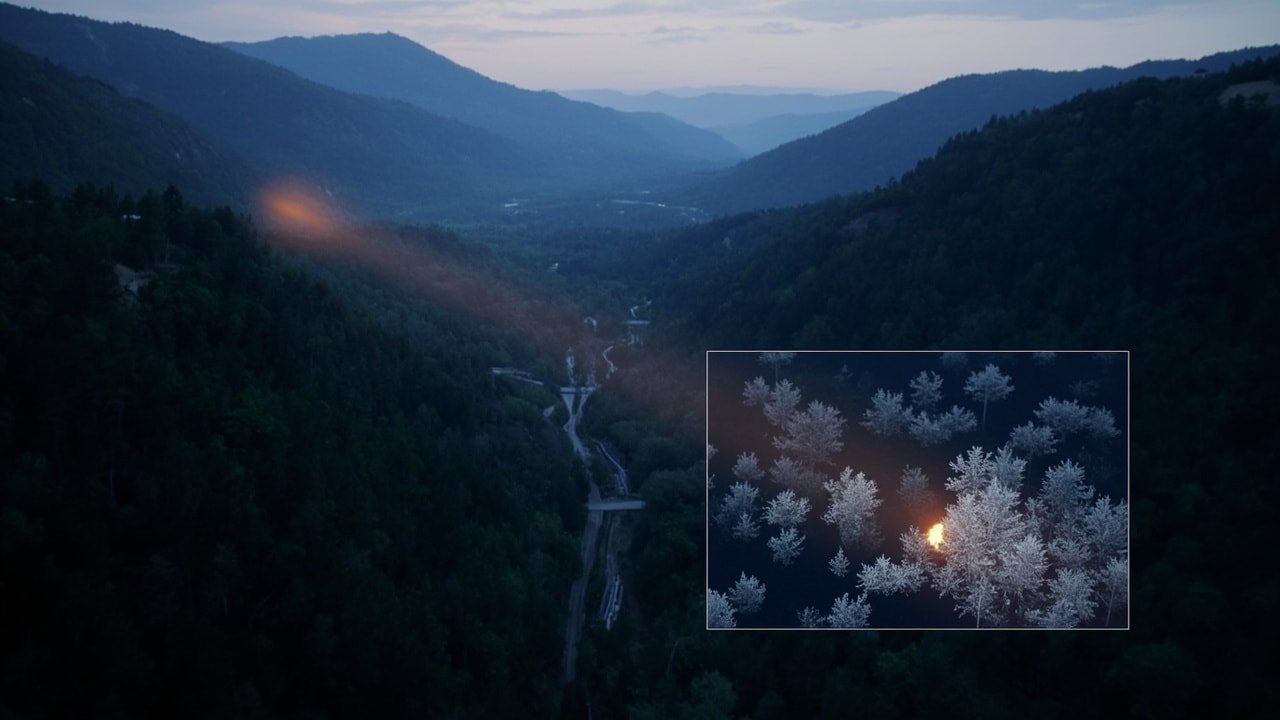
The combined sensor set supports public-security monitoring, border and perimeter patrol, emergency response, search and rescue, forest-fire monitoring and law-enforcement observation. It can also assist with inspection of power lines, substations, pipelines, industrial facilities and other remote infrastructure. The wide thermal field supports broader scanning, while the telephoto thermal and 30× EO zoom channels suit closer examination of distant subjects.
Payload Selection Considerations
Field selection depends on whether a mission prioritizes broad situational awareness or detailed visual inspection. The fixed 2.8 mm EO camera and 13.5 mm thermal lens cover wider scenes, whereas the 30× zoom camera and 50 mm thermal lens narrow the view for distant subjects. Buyers should also compare the stated 30–3,000 meter laser range, overall dimensions of approximately 159 × 125 × 194 mm, and typical power demand against their mission and platform requirements.
Platform Integration Checks
The documented electrical and control specifications allow integrators to plan power and communications. Operation requires 12–28 V DC, with average consumption of no more than 20 W and maximum consumption of no more than 30 W. Control is available through RS232 or Network TCP, while installation uses a quick-release structure, four M3 mounting holes and an SMA interface. These specifications describe the payload, but platform-specific mechanical, power and command compatibility still needs verification.
- Confirm the installation area supports the stated dimensions and mounting arrangement
- Verify the platform can supply the required voltage and power budget
- Match RS232 or Network TCP integration to the planned control architecture
- Validate the SMA connection and platform-specific command compatibility
Frequently asked questions
Which imaging sensors are integrated into the DT30DL?
The DT30DL combines a 30× zoom visible-light camera, a fixed 2.8 mm wide-angle visible-light camera, a dual-field thermal imaging system and a laser rangefinder. The two thermal fields use 13.5 mm and 50 mm lenses, allowing operators to select broader scanning or a narrower view for distant observation.
Can the DT30DL recognize and track people or vehicles?
Yes. Automatic vehicle and human recognition are documented, along with selectable tracking modes for automatic tracking of those target classes. The stated maximum tracking speed is at least 40°/s. Recognition and tracking performance under particular operating conditions has not been independently documented in the supplied product data.
What power and control interfaces are available?
The payload accepts 12–28 V DC power. Average consumption is specified at no more than 20 W, with a maximum of 30 W. Control interfaces include RS232 and Network TCP, and the installation includes four M3 mounting holes, an SMA interface and a quick-release mounting structure.
What is the stated laser measurement range?
The integrated laser rangefinder measures target distances from 30 to 3,000 meters. It also supports target-position calculation for surveillance and mission-planning workflows. Integrators should verify that their intended working distances and output requirements align with the documented measurement specification.