Trac-DA054L Video Tracking Board for Vision System Integration
AI Intelligent Module · Product guide
The Trac-DA054L is a compact video tracking board for integrators building embedded vision systems. It accepts Sony-standard LVDS or customized MIPI input, outputs SDI, and provides RS422, TTL, Gigabit Ethernet and USB 2.0 connectivity. Buyers in security, surveillance, defense monitoring and industrial vision can assess its interfaces, storage and low power draw against host requirements.
Verified specifications
| Video inputs | 1 × LVDS (Sony standard); 1 × MIPI (customized adaptation) |
|---|---|
| Video output | 1 × SDI |
| Serial interfaces | RS422 and TTL |
| Network interface | Gigabit Ethernet |
| USB interface | USB 2.0 |
| Memory and recording | 8GB or 16GB; at least 1 hour of compressed video storage |
| Power consumption | Less than 4W |
| Dimensions and weight | 60mm × 45mm; 24.8g ± 5g, bare board without heat sink |
Video Inputs and SDI Output
The board uses one LVDS input following the Sony standard and one MIPI input described as a customized adaptation. It produces one SDI output. This arrangement is useful when an imaging chain must accept more than one source format while presenting video through SDI, although the MIPI path should not be treated as universally compatible without checking the connected camera and adaptation details.
Video-format support alone does not confirm end-to-end operation. Integrators should verify camera output timing, connector and pin arrangement, signal integrity, SDI format expectations and the host-side capture path. The supplied information names the interfaces but does not provide supported resolutions, frame rates, pixel formats or protocol details, so those points require confirmation before design-in.
- Confirm the camera's output format and electrical arrangement
- Check SDI requirements against the downstream receiver
- Request details for resolutions, frame rates and pixel formats
Target Tracking Applications
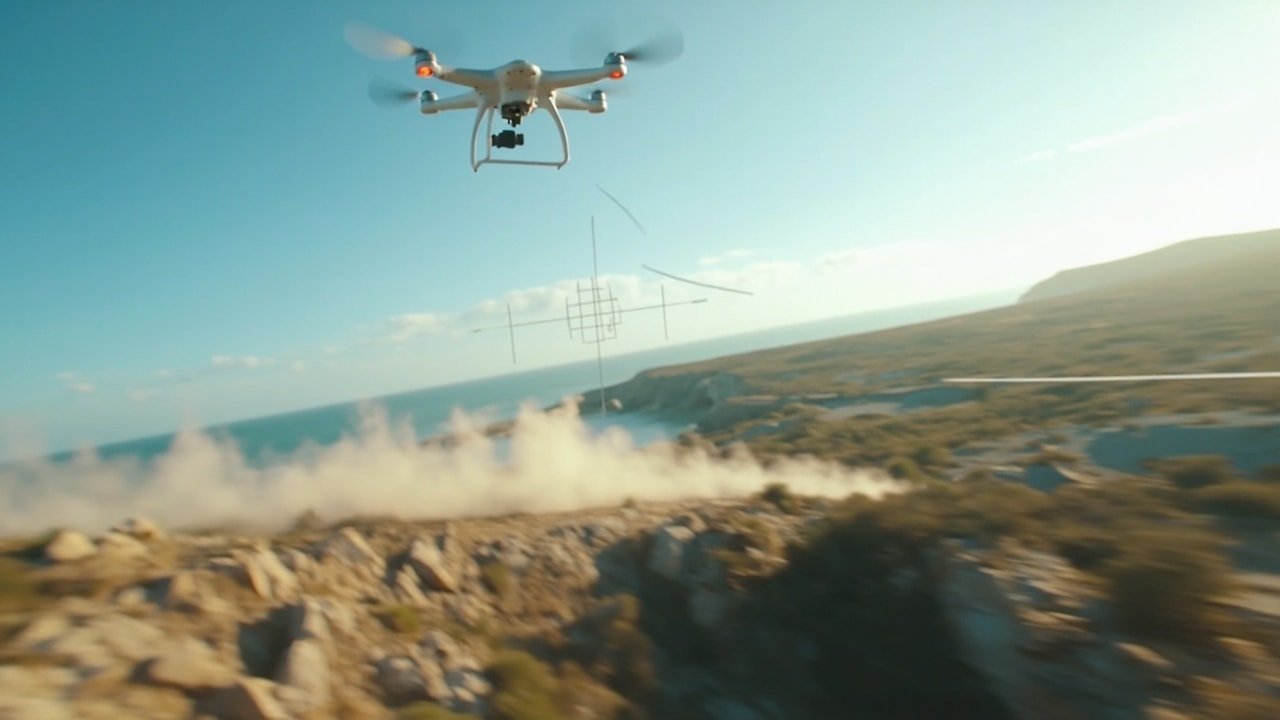
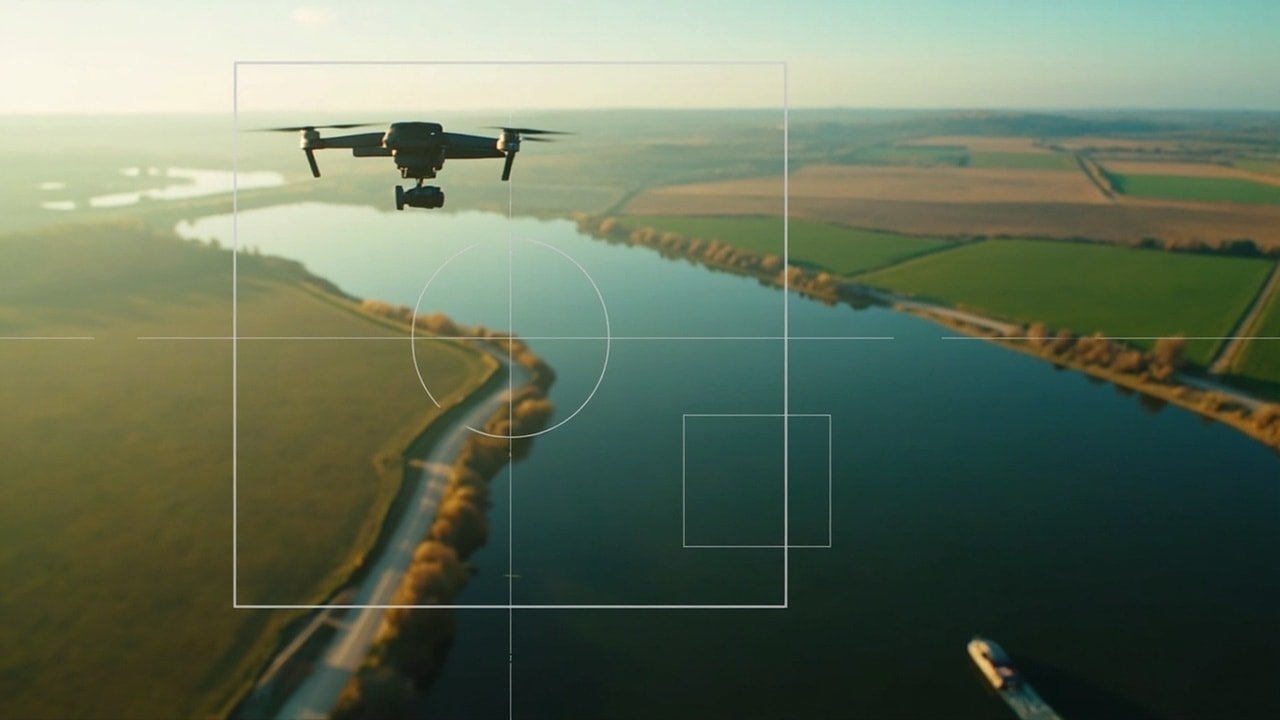
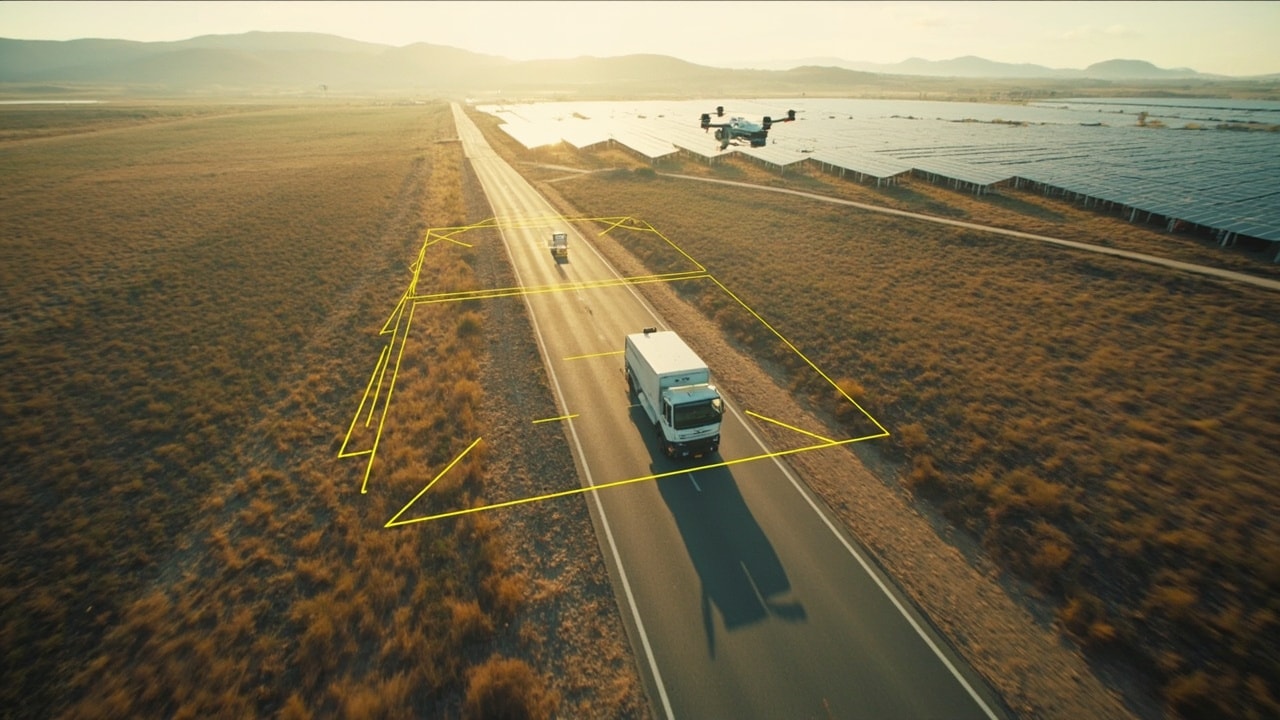
The Trac-DA054L is presented for real-time tracking in defense monitoring and for AI-powered visual recognition in industrial vision. Those use cases indicate a target-tracking role within a larger system, not a complete standalone camera system. The board still needs cameras, optics, power, processing hosts, software and display or recording infrastructure to deliver an operational solution.
Because the published specifications do not list detection models, tracking modes, accuracy measurements or supported target classes, buyers should not assume particular recognition performance. For civilian deployments, confirm how targets are defined, how tracking results are delivered and what downstream system receives the output. This separates confirmed video interfaces and intended scenarios from unverified algorithm capabilities.
Host Integration and Local Storage
Communication options support a host-oriented design. RS422 and TTL provide serial connections, Gigabit Ethernet supplies a network path, and USB 2.0 offers another host interface. These options can fit different control and data architectures, but the product data does not state connector types, electrical details, command protocols or supported operating systems, so interface implementation should be planned with the supplier.
Configurable 8GB or 16GB memory supports at least one hour of compressed video storage. That creates a local retention option for short deployments, pilots or monitoring installations, while Ethernet or SDI may be used elsewhere in the wider system. The memory configuration should be selected against recording duration, stream format and operational workflow; no recording bitrate or file format is specified.
- Match serial and host interfaces to the system architecture
- Confirm supported operating systems and command protocols
- Validate recording format, bitrate and retention requirements
Design Tradeoffs and Checks
At 60 × 45mm and 24.8g plus or minus 5g without a heat sink, the bare board favors space- and weight-conscious integration. Its specified power consumption is below 4W. These figures make it relevant to embedded systems, but they do not establish thermal performance, startup behavior or enclosure suitability because cooling, ambient conditions and complete-system loads are not documented.
Selection should begin with the required camera format, downstream video path, control interface and recording need. If a project depends on MIPI, request confirmation of the customized adaptation and test the intended camera combination. If it relies on local capture through USB or Ethernet, confirm host compatibility and data handling. Final thermal and power conclusions should wait for evidence from the assembled system.
- Confirm the required memory configuration before ordering
- Allow for cooling and enclosure requirements
- Validate the complete camera-to-host signal path
Frequently asked questions
Which camera input formats does the board accept?
The Trac-DA054L accepts one Sony-standard LVDS input and one MIPI input. MIPI is described as a customized adaptation, so the intended camera, connector and signal arrangement must be confirmed rather than assuming support for every MIPI device.
What video output and control connections are available?
Video is delivered through one SDI output. For control and host connectivity, the board provides RS422, TTL, Gigabit Ethernet and USB 2.0. Connector details, command protocols and operating-system support are not listed and should be established during integration planning.
How much video can the board store locally?
Memory is available in 8GB and 16GB configurations, with support for at least one hour of compressed video storage. Actual retention will depend on the selected configuration and recording format, neither of which is fully detailed in the published product information.
Is the board a complete tracking camera?
No. It is a video tracking board intended to operate within a larger vision system. Imaging hardware, optics, power, processing software, recording infrastructure and downstream controls must be supplied separately, depending on the selected system architecture.