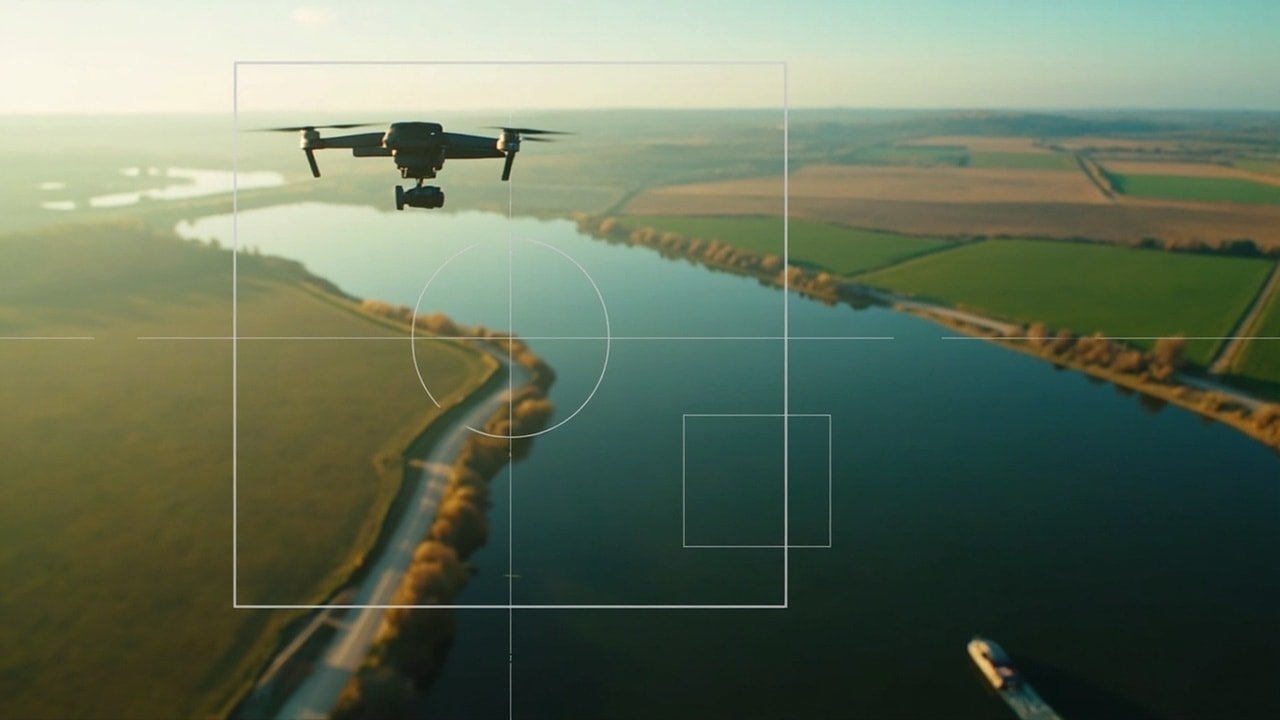
FalconLock DS240 and DS120 UAV Visual Guidance Systems
AI Intelligent Module · Product guide
The FalconLock DS240 and DS120 are FPGA-based UAV visual guidance modules for developers building real-time target detection, locking and tracking workflows. They suit integrators of FPV, quadcopter and compound-wing aircraft who need low-latency imaging and can assess their own flight-control, electrical and data-interface requirements before installation.
Verified specifications
| Product models | DS240 and DS120 |
|---|---|
| Processing architecture | FPGA hardware acceleration with parallel pipeline processing |
| DS240 imaging | 1280 × 1024 at 240Hz |
| DS120 imaging | 1920 × 1080 at 120Hz |
| Imaging delay | Approximately 0ms |
| Target locking response | ≤4ms |
| Supported target speed | Up to 400km/h |
| CEP circular error probable | ≤0.15m under supported operating conditions |
| Guidance algorithms | Unscented Kalman Filter and proportional navigation algorithm |
| Named flight-control ecosystems | MAVLink, ArduPilot, PX4, INAV, BetaFlight, QGroundControl and Mission Planner |
Low-Latency Vision Pipeline
FalconLock uses an FPGA architecture to process video capture, image preprocessing, encoding and transmission through parallel hardware pipelines. This arrangement is intended to remove latency bottlenecks found in conventional CPU or GPU processing, with imaging delay specified at approximately 0ms.
Target locking is specified at no more than 4ms. The module combines an Unscented Kalman Filter with proportional navigation to estimate target movement and support real-time flight-vector correction. The stated maximum tracking speed is 400km/h, while CEP is specified at no more than 0.15m under supported operating conditions.
- Parallel processing across capture, preprocessing, encoding and transmission
- Specified target locking response of ≤4ms
- Maximum supported target speed of 400km/h
Choosing DS240 or DS120
DS240 and DS120 serve the same visual guidance role but prioritize different imaging characteristics. DS240 provides 1280 × 1024 at 240Hz, making it the higher-frame-rate option for scenarios where frequent visual updates are the priority.
DS120 provides 1920 × 1080 at 120Hz, offering greater pixel resolution at a lower stated frame rate. It is listed for surface-to-air and air-to-air guidance scenarios, while DS240 is listed for ground-to-air applications. The final choice should follow the image detail and update rate required by the intended tracking task.
- Choose DS240 when update rate is the leading requirement.
- Choose DS120 when higher spatial resolution is the priority.
- Confirm performance in the intended operating environment.
Civilian UAV Use Cases
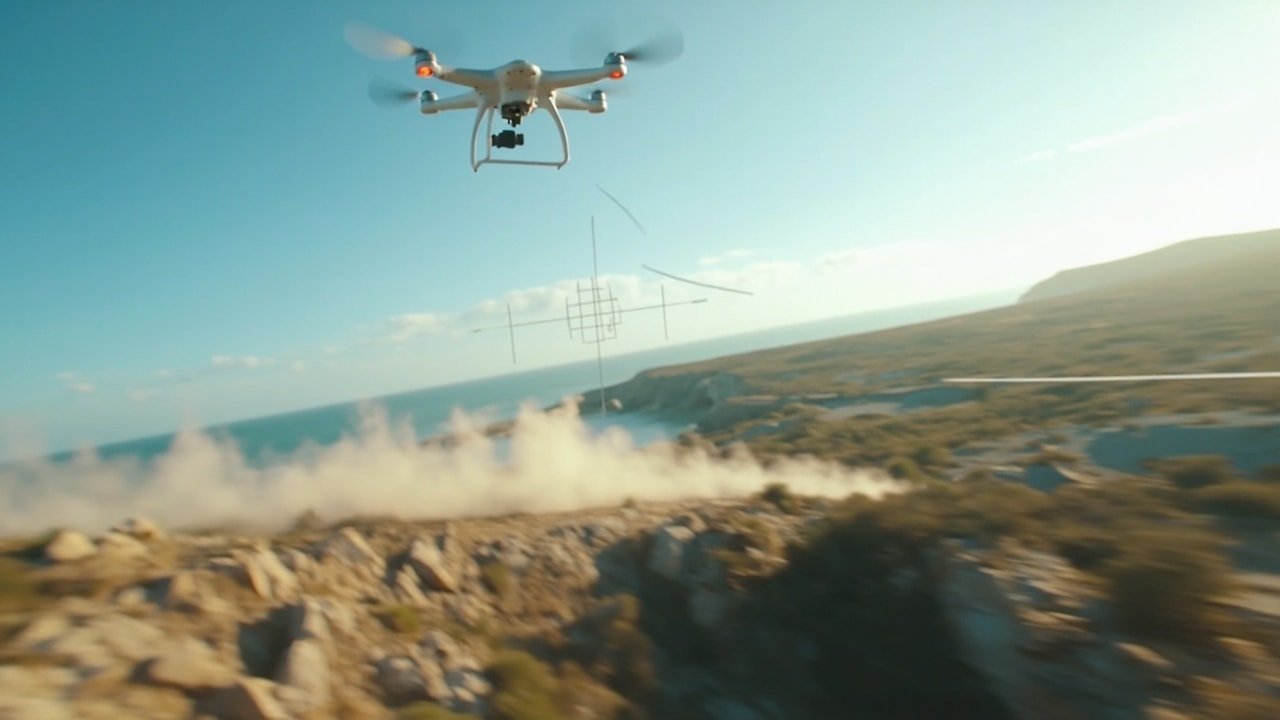
The module family is intended for civilian UAV vision tasks such as fast-moving target observation, target search, target locking and trajectory prediction. Listed aircraft categories include FPV drones, quadcopters, compound-wing UAVs and other unmanned aircraft platforms.
The system can also support aircraft that combine manual first-person control with autonomous visual guidance algorithms. This makes it relevant to developers creating inspection, observation or tracking systems, provided that each aircraft's flight-control connection, processing capacity and operating conditions are checked during integration.
- FPV observation and tracking workflows
- Compound-wing search and trajectory-prediction tasks
- Systems combining manual control with visual guidance
Integration Checks Before Installation
The product information identifies MAVLink-based platforms and names ArduPilot, PX4, INAV, BetaFlight, QGroundControl and Mission Planner as supported ecosystems. These names indicate intended host-software integration, but they should not be treated as confirmation that every configuration or aircraft will work without adaptation.
Physical connectors, power requirements, electrical limits, connector pinouts, mounting details and weight are not provided in the supplied specifications. Confirm these items, along with the required video input and guidance output, against the host aircraft and flight-control architecture before committing to an installation.
- Confirm the host aircraft and selected flight-control ecosystem
- Verify physical video, data and power interfaces
- Check mounting space, mass and thermal requirements
- Validate the required guidance outputs in flight tests
Frequently asked questions
What is the main difference between DS240 and DS120?
DS240 provides 1280 × 1024 imaging at 240Hz, prioritizing frame rate for ground-to-air visual guidance. DS120 provides 1920 × 1080 imaging at 120Hz, emphasizing spatial resolution for surface-to-air and air-to-air scenarios.
How fast is the documented target-locking response?
The specified target-locking response is no more than 4ms, while imaging delay is approximately 0ms. FalconLock also claims up to 96% delay reduction compared with conventional CPU or GPU solutions operating above 100ms latency.
Can FalconLock connect to common UAV flight-control systems?
The documented ecosystem list includes MAVLink, ArduPilot, PX4, INAV, BetaFlight, QGroundControl and Mission Planner. Actual integration still requires checking the aircraft configuration and confirming the module's physical video, power and guidance connections.
Which targets can the visual guidance system track?
The system is specified to track targets moving at up to 400km/h. Its Unscented Kalman Filter and proportional navigation algorithm support movement prediction and flight-vector correction, subject to the supported operating conditions.