DA048LE Image Tracking Board for System Integration
AI Intelligent Module · Product guide
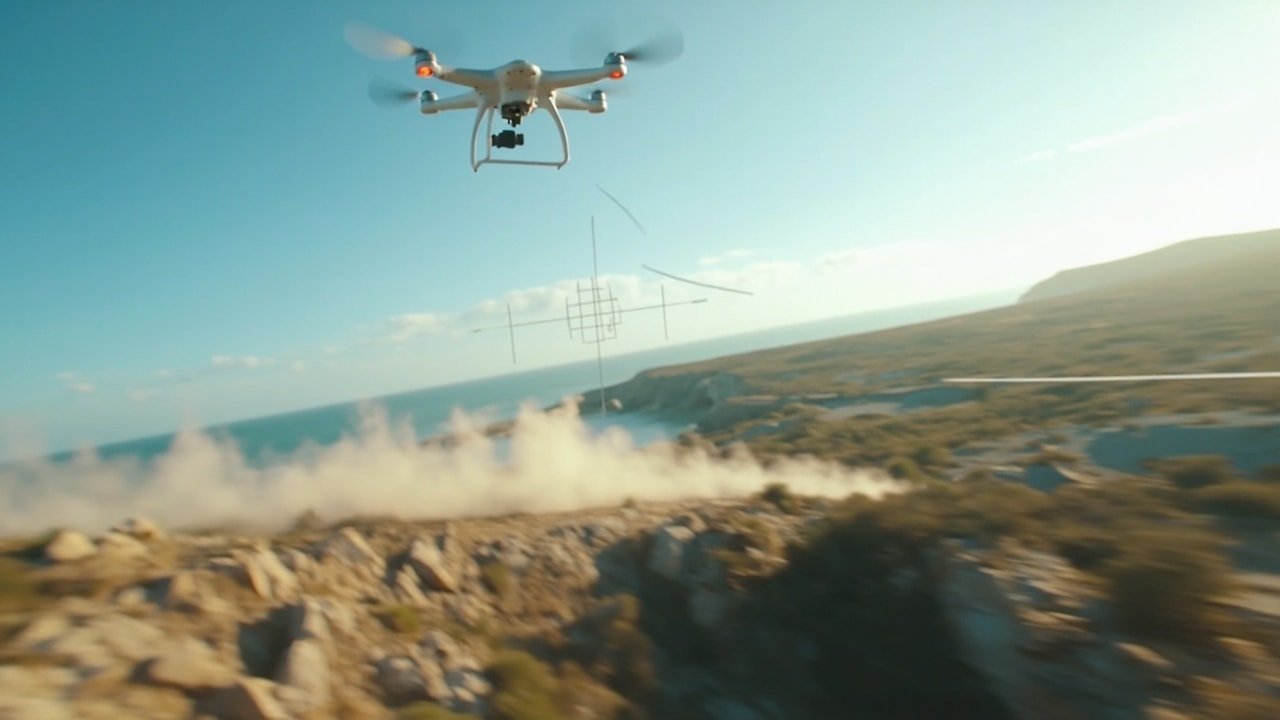
The DA048LE image tracking board is an embedded vision-processing module for visible-light or infrared video. It supports automatic or manual target selection, deviation measurement, and tracking outputs for people and vehicles. System integrators can evaluate it for airborne pods, surveillance platforms, perimeter monitoring, and other video-based systems.
Verified specifications
| Video inputs | 2 MIPI visible-light inputs and 1 DVP infrared input |
|---|---|
| Video output | 1 Gigabit network video output |
| Tracking frame rate | 1080p at 50 Hz |
| Measurement bias output delay | 1.5 frames |
| Identification target | 12 × 12 pixels; identification probability ≥85% |
| Target capture time | Less than 0.1 seconds |
| Power | DC 12 V; power dissipation ≤4 W |
| Size and weight | ≤47.8 × 38.5 × 8 mm; approximately 9 g |
Video Inputs and Network Output
Two MIPI inputs accept visible-light video, while one DVP input accepts infrared video. The board provides one Gigabit network video output and supports a 1080p tracking frame rate of 50 Hz. Video channel switching is specified at 100 milliseconds. Integrators should confirm that the cameras, channel arrangement, and network output requirements match the target system before design-in.
Automatic and Manual Tracking
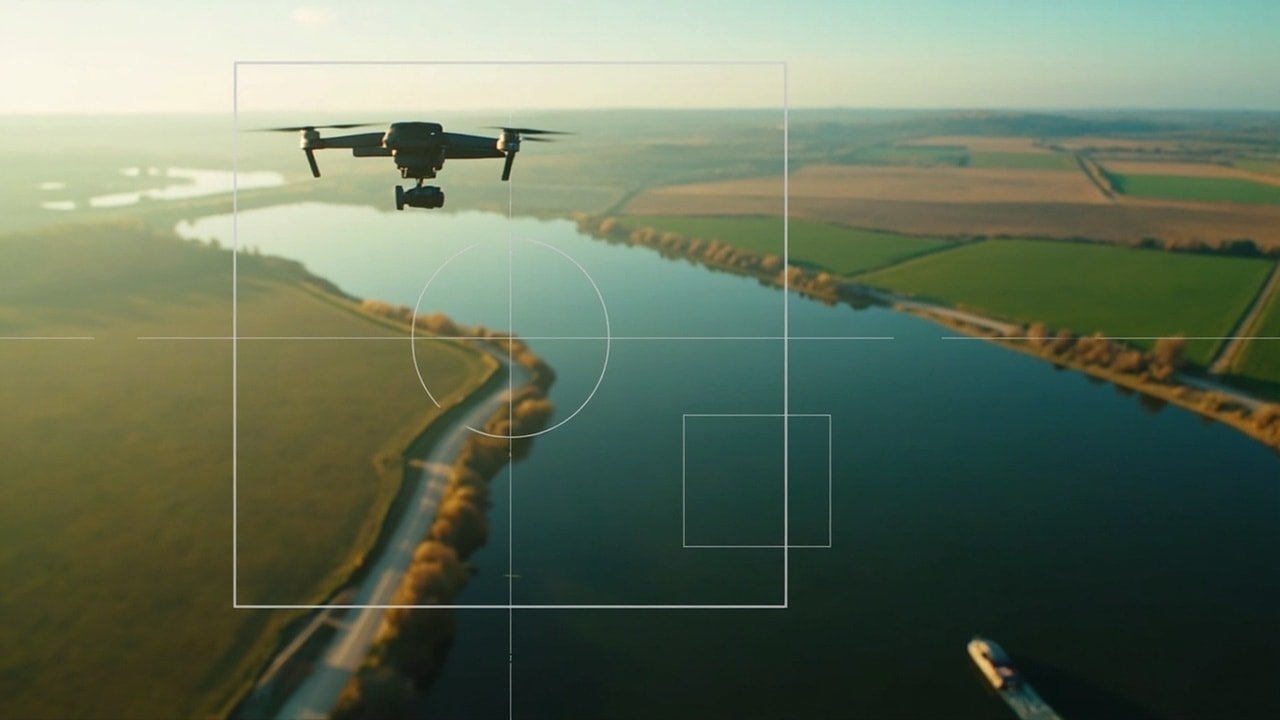
The board can identify people and vehicles, then use automatic search and guidance tracking or manual target selection. Centroid and template matching methods are supported, together with wave-gate adaptive tracking and re-detection after target loss. The stated identification probability is at least 85% for targets of 12 × 12 pixels, while target capture time is below 0.1 seconds.
- Choose automatic acquisition or manual target selection
- Evaluate both centroid and template matching modes
- Allow for re-detection after an interrupted track
Target Deviation Measurement
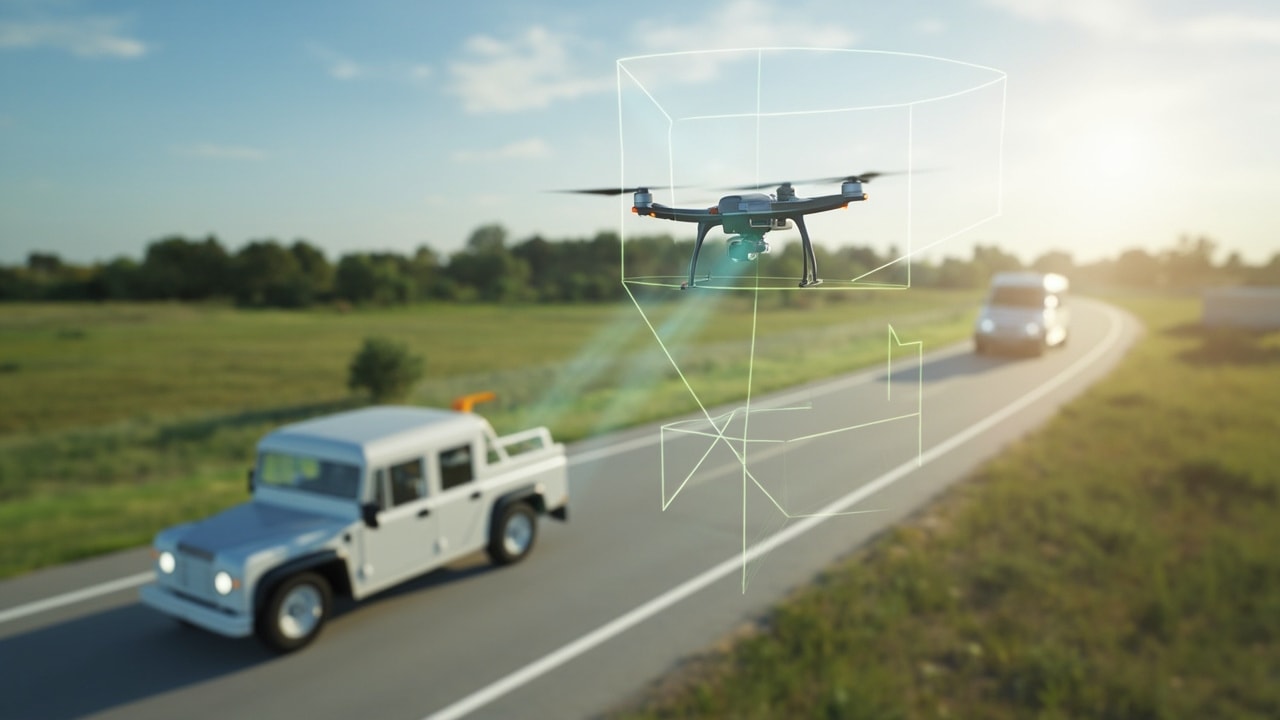
Tracking information includes the measured deviation of a target relative to the field-of-view center, with a specified output delay of 1.5 frames. This is relevant to systems that need target-position information rather than only an annotated video feed. The smallest tracked target is defined as no more than three pixels when target contrast is at least 5%; both conditions should be considered in scenario planning.
- Field-of-view center is the reference for deviation data
- Minimum tracked size depends on sufficient contrast
- Account for the specified 1.5-frame output delay
Tracking and Video Controls
Operators can adjust tracking-window position and size, target-extraction thresholds, crosshair visibility and position, and black-and-white target display. The board also offers 1–4× electronic zoom in 0.1 steps, picture-in-picture, image enhancement, fog removal, recording, playback, export, OSD display, and a self-check function. These controls affect both operator interaction and host-side processing requirements.
- Adjust extraction thresholds for changing scene conditions
- Use crosshair and OSD options to review tracking state
- Use recording and export features for operational review
Civilian Applications and Integration
Documented civilian uses include airborne pods, fixed or mobile electronic sentry systems, border and coastal monitoring, and intelligent perimeter security. The module runs from DC 12 V, dissipates no more than 4 W, and weighs approximately 9 g. Current data do not specify connector pinouts, data formats, or host-side protocols, so integrators should confirm those details with the supplier.
- Confirm connector pinouts and electrical requirements
- Verify the required deviation-data format
- Check operating and storage temperature requirements
Frequently asked questions
What video sources can the DA048LE accept?
The board accepts two MIPI visible-light video inputs and one DVP infrared video input. It provides one Gigabit network video output. Camera electrical standards, resolutions, channel arrangements, and network requirements should be checked against the intended system before integration.
Can targets be selected manually as well as automatically?
Yes. It supports automatic search and guidance tracking, as well as manual target selection. The board provides centroid and template matching options, wave-gate adaptive tracking, and re-detection after target loss. Operators can also adjust the tracking window and extraction threshold.
What integration details still need verification?
Confirm the connector pinouts, available power connections, host-side communication protocol, and exact format of tracking and deviation data. The published data identify DC 12 V power, MIPI and DVP inputs, and Gigabit network video output, but do not provide those implementation-level interface details.