Trac-DA053LE Video Tracking Board for Embedded AI
AI Intelligent Module · Product guide
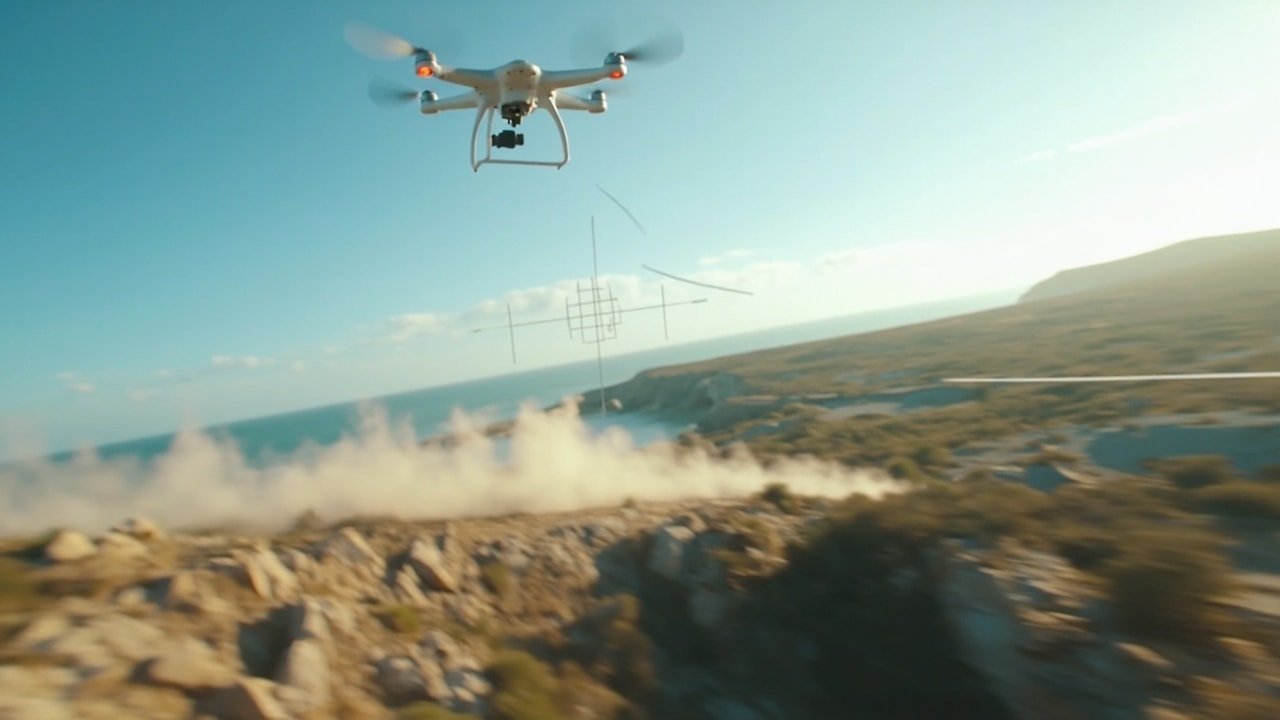
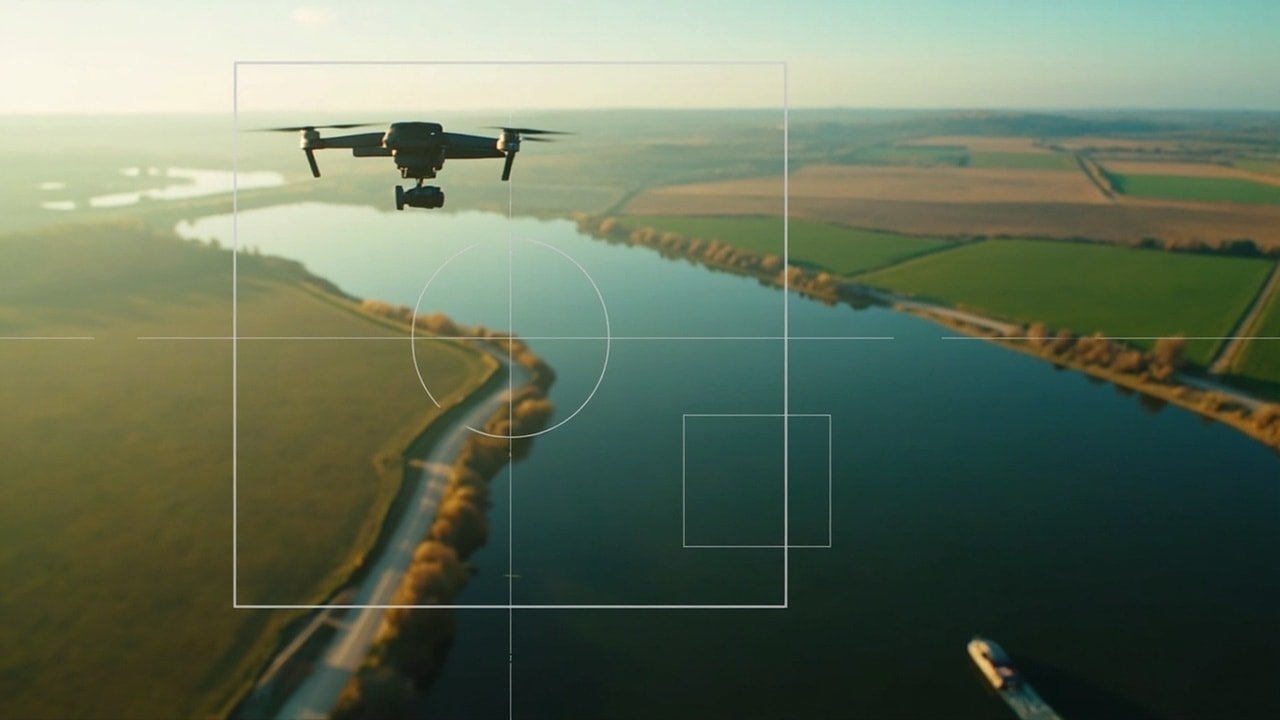
The Trac-DA053LE is a compact board intended for embedded AI video tracking systems, including small UAVs and robotics. It accepts MIPI video input and provides an RTSP stream through a network-oriented design. Integrators would use its compact dimensions, low typical power and mixed interfaces when planning a custom embedded deployment.
Verified specifications
| Video input | 1 × MIPI with customized adaptation |
|---|---|
| Video output | 1 × network RTSP stream |
| Connectivity | 2 × Fast Ethernet ports, RS422 serial and USB 2.0 |
| Memory | 8 GB |
| Typical power consumption | Below 4 W |
| Dimensions | 36 mm diameter × 12 mm height |
| Weight | 10 g ± 5 g, bare board without heat sink |
Compact Footprint for Embedded Systems
The board is purpose-built for compact embedded installations where video tracking must be incorporated into a larger system. Its small cylindrical format and 12 mm height can simplify mechanical planning in space-constrained platforms. The supplied application examples focus on miniature UAVs and robotics, making it most relevant to integrators assembling custom, board-level deployments.
At 36 mm in diameter and approximately 10 g for the bare board, the unit leaves room for other components in a constrained payload. The published mass excludes the heat sink, so final system calculations should use the assembled configuration. Size and weight are advantages only when the complete camera, cabling, host and power hardware remain within the platform budget.
Video Input and Stream Output
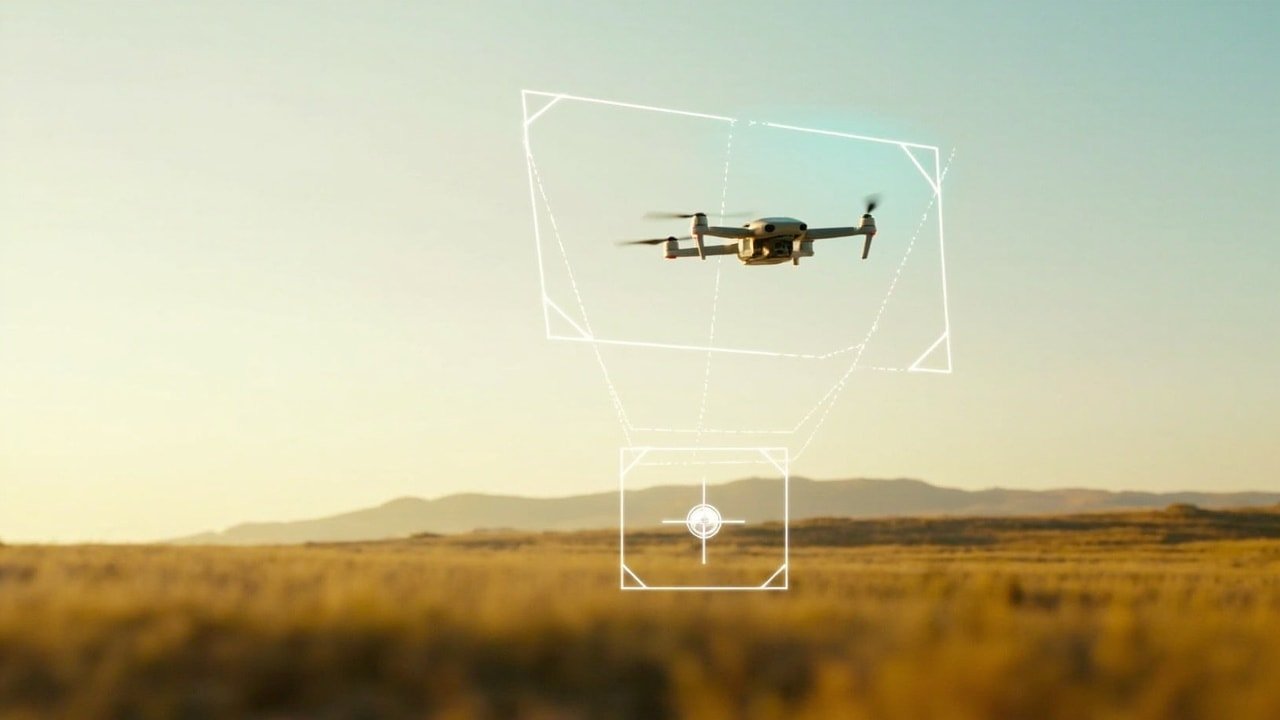
The documented video path begins with one MIPI input, described as requiring customized adaptation, and ends with one network RTSP stream. This gives an integrator a defined media boundary to work with: bring a compatible source into the board and deliver the resulting stream through the network output. Exact camera support remains an integration question.
Custom adaptation is an important selection detail. A buyer should obtain the required connection information and compare it with the chosen source instead of assuming that every MIPI device is interchangeable. The product data does not provide a sensor list, supported resolutions, frame rates or codec details, so the complete capture chain must be confirmed separately.
Interfaces for Host Integration
Two Fast Ethernet ports, RS422 and USB 2.0 provide several documented ways to connect the board to surrounding equipment. Their presence broadens the physical integration options, but it does not by itself confirm what command protocols, device roles or data rates apply to each connection. These interface functions should be established with the supplier for the intended system.
Network video output is the clearest confirmed external workflow: RTSP is delivered as the product's video output, while Ethernet supplies the network connection. For host integration, check whether the target computer or recording platform accepts the available stream and how the second Ethernet port is intended to be used. The source does not define bridging, storage or control behavior.
Power, Memory and Deployment Tradeoffs
Typical consumption below 4 W is favorable for compact embedded systems where power capacity and thermal management are limited. It also does not mean the finished installation will draw less than 4 W, because the camera, host platform, conversion losses and any cooling hardware are outside that bare-board figure. Power planning should therefore be performed at system level.
The board includes 8 GB of memory, but the documentation does not identify whether it is used for buffering, model storage, operating software or another function. That distinction affects how much host capacity is needed for recording, inference and analytics. Systems requiring long retention, heavy local processing or extended offline operation should verify the memory role and workflow before committing.
Choosing a Civilian Tracking Integration
Small UAVs and robotics are the practical civilian scenarios named in the product data. A project of this kind would combine the board with a compatible video source, an appropriate host and a network path for RTSP delivery. Because the board is a component rather than a complete aircraft or robot payload, the installer must solve mounting, power and downstream software integration.
The most defensible adoption decision is based on interface fit, available space and the intended tracking workflow. Ask for details of customized MIPI adaptation, streaming configuration, interface protocols and the purpose of the board's memory. Then test the complete chain with representative scenes if tracking behavior matters, while keeping claims of accuracy and latency separate from the confirmed specifications.
- Confirm MIPI adaptation details with the video source
- Verify RTSP client and network deployment requirements
- Define the role of RS422, USB and both Ethernet ports
- Include camera, host, cooling and power hardware in payload calculations
- Request tracking validation criteria for the intended scenes
Frequently asked questions
Which cameras are compatible with the MIPI input?
The board has one MIPI input with customized adaptation. Before selecting it, confirm that the intended camera or video source matches the required connector, pinout, lane arrangement and electrical requirements. The supplied data does not identify particular camera models, so MIPI alone should not be treated as proof of sensor compatibility.
Can the RTSP output connect to a host computer?
A network RTSP stream is provided, which can feed a compatible client or recording system over the network side. Confirm the deployed RTSP client, network topology and stream configuration during integration. The documentation does not state supported profiles, codecs or simultaneous client limits, so those details require supplier clarification.
Is the board suitable for a small UAV or robot?
Use of the board in a small UAV or robotics project is an identified scenario, subject to the system's size, power and weight limits. The listed 10 g ± 5 g figure is for the bare board without a heat sink. Total flight payload must also include the camera, host electronics, power conversion, cooling and mounting.
What tracking performance is confirmed?
The data confirms that the product is designed for embedded AI video tracking, but it does not state tracking accuracy, latency, frame rate, object types or supported models. Treat tracking behavior as something to validate with the intended pipeline and representative scenes rather than a guaranteed performance specification.