DX3B Gimbal Pod for Dual-Sensor UAV Imaging
Gimbal Pod · Product guide
The DX3B is a 250 g three-axis gimbal pod for UAV, robot, and portable-platform operators who need visible-light and infrared imaging in one compact payload. It records 4K EO video, provides thermal imaging, optical and hybrid zoom, and offers vehicle and human tracking modes for surveillance, inspection, observation, and patrol missions.
Verified specifications
| Model | DX3B |
|---|---|
| Payload weight | 250 g |
| EO resolution and frame rate | 3840 × 2160 at 30 fps |
| IR resolution and frame rate | 640 × 512 at 30 fps |
| EO zoom | 40x optical and 120x hybrid |
| EO field of view | 100° × 68° wide; 10° × 6° tele |
| Angular position accuracy | ≤0.3° |
| Stability accuracy | 0.1 mrad at 1°/2 Hz, 1 sigma |
| Maximum angular velocity | ≥60°/s |
| Video output and encoding | Ethernet and RTSP; H.264 and H.265 |
| Control interface | TTL serial, UART with RS232 protocol, and optional SBUS |
| Power input | 12–24 V DC |
| Average power consumption | ≤15 W |
| Gimbal rotation | Yaw ±140°; pitch −90° to +30°; roll ±45° |
| Operating temperature | −20°C to +55°C |
EO and Thermal Imaging
The EO channel uses a CMOS sensor with 3840 × 2160 output at 30 fps. Its 100° × 68° wide field of view supports broad-area observation, while the 10° × 6° tele view and 40x optical zoom provide a narrower perspective when detail is required. A documented 120x hybrid zoom is also available.
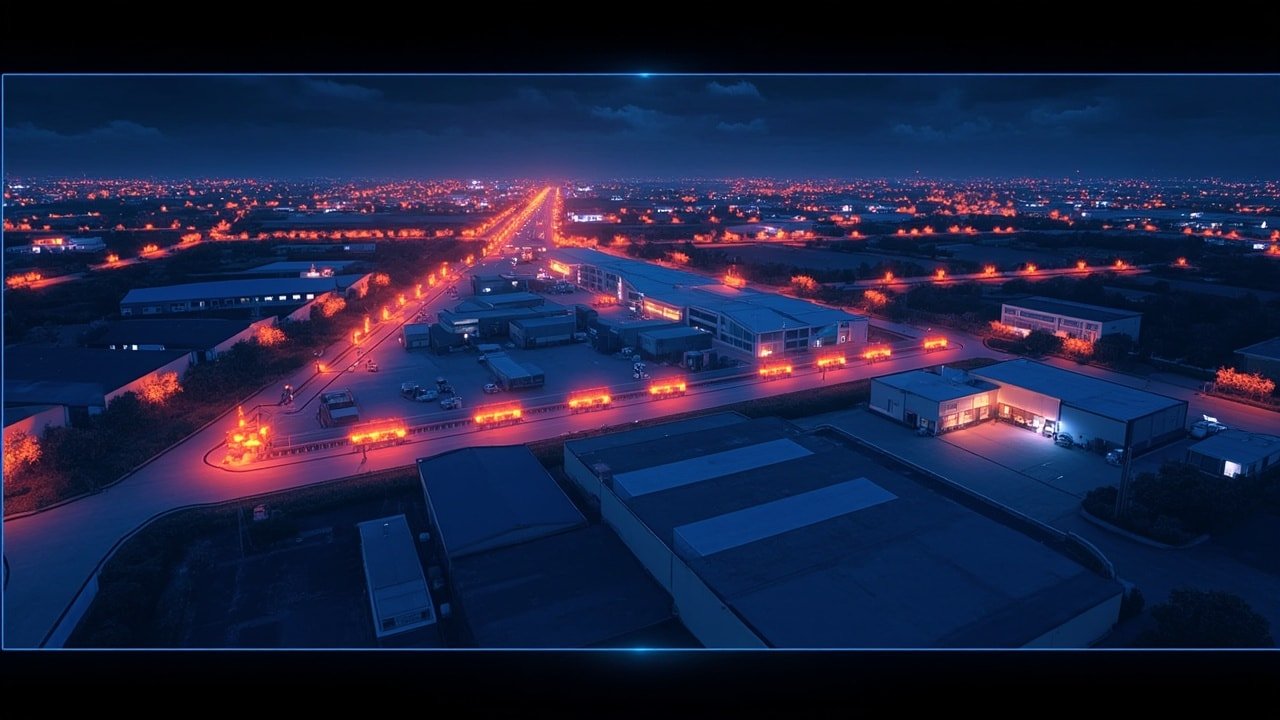
The separate IR channel records 640 × 512 imagery at 30 fps with a 12.6° × 10.1° field of view and a 35 mm focus length. Operators can use the two imaging channels for different observation needs, but the listed output modes and sensor combinations should be checked against the intended recording system before integration.
- EO: 3840 × 2160 at 30 fps
- IR: 640 × 512 at 30 fps
- Wide and tele EO fields of view documented
Stabilized Three-Axis Control
The DX3B uses three-axis gimbal control, with documented travel of ±140° for yaw, −90° to +30° for pitch, and ±45° for roll. Angular position accuracy is listed as no more than 0.3°, while stability accuracy is specified as 0.1 mrad at 1°/2 Hz, 1 sigma. Maximum angular velocity is at least 60°/s.
These figures describe the published device specifications rather than results from a particular aircraft installation. Actual platform behavior can depend on mass distribution, vibration, control configuration, and balance, so operators should validate stability in the intended airframe, robot, or portable setup.
Tracking and Mission Operation
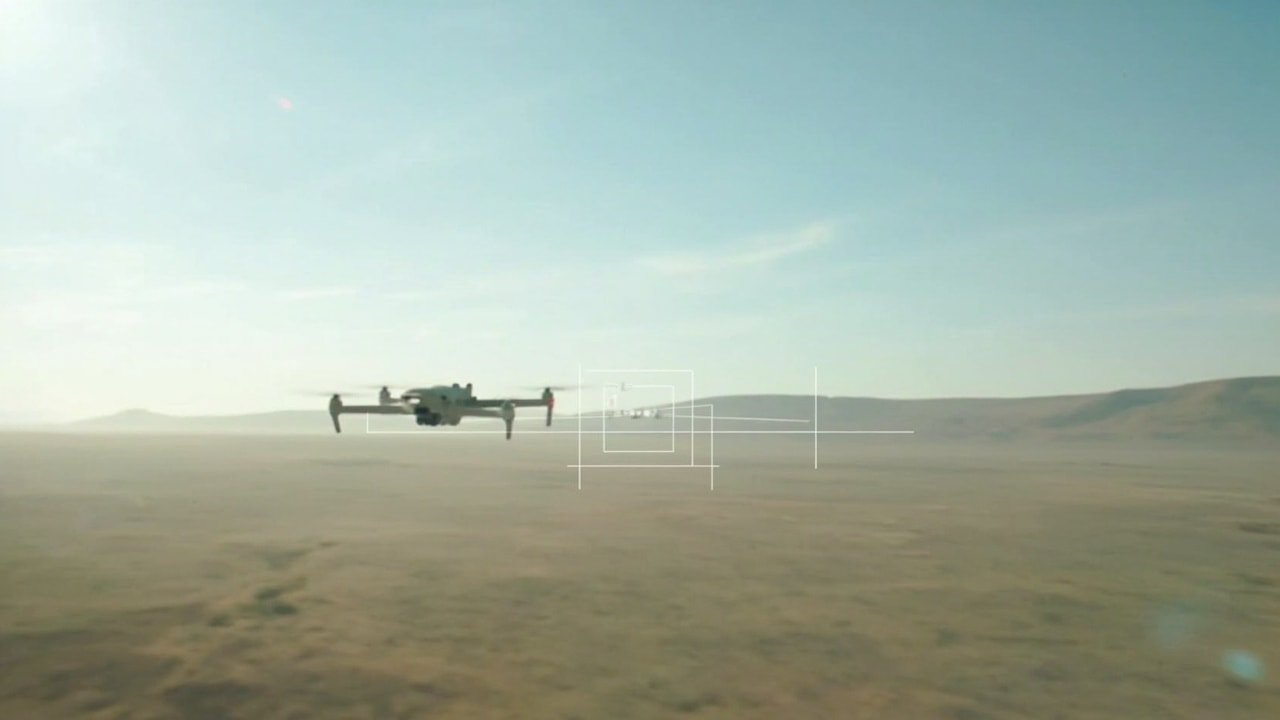
Built-in object identification, target tracking, and image compression are listed alongside vehicle tracking and human tracking modes. These functions support workflows in which an operator needs to identify and follow a moving subject, while recorded video can be stored in MP4 format.
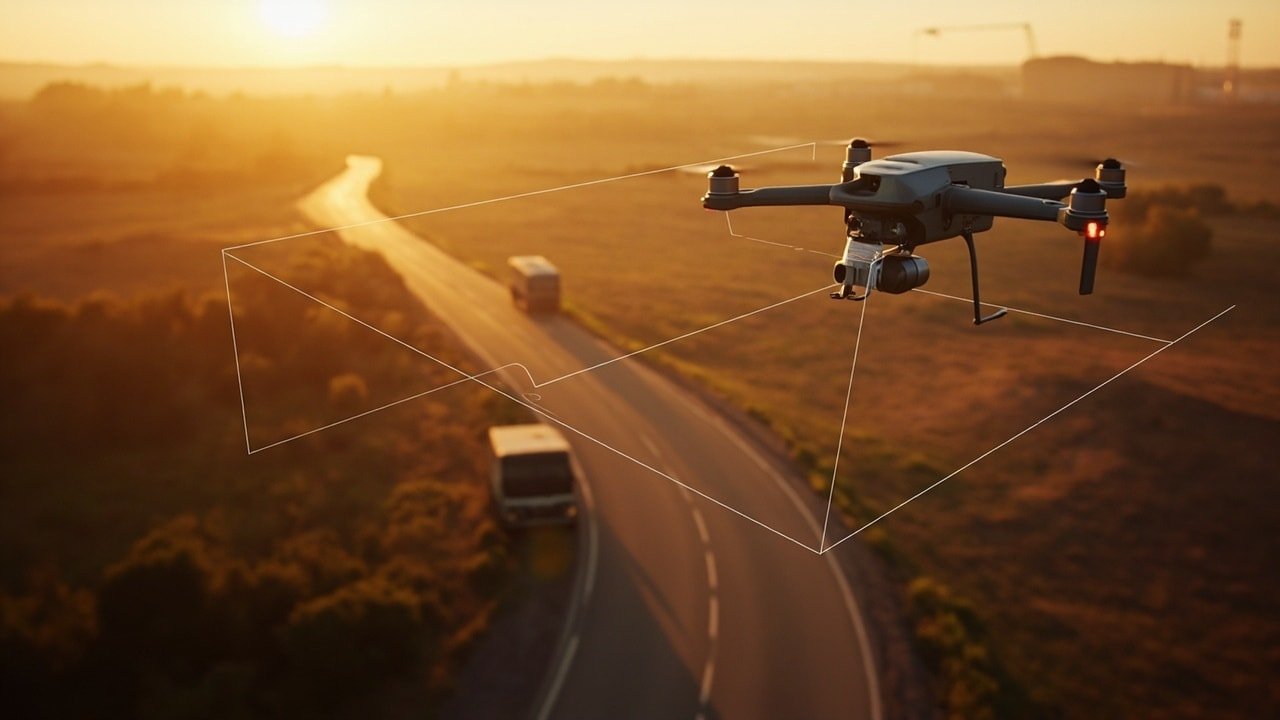
Tracking is useful for patrol, public-security observation, law-enforcement support, and vehicle or human monitoring. It should not be treated as an autonomous identification guarantee. Mission planning should still account for field of view, zoom level, subject separation, lighting conditions, and the operator’s need to verify relevant imagery.

Payload and Platform Selection
At 250 g, the pod is positioned as a compact payload for small UAVs, robotic platforms, and portable systems. Platform selection must account for the full installation weight, center-of-gravity changes, available power, gimbal clearance, and the limits of the host platform. The pod itself accepts 12–24 V DC and has average power consumption of no more than 15 W.
The documented operating range is −20°C to +55°C. Storage range is −20°C to +60°C. These environmental specifications help with initial planning, but they do not confirm flight endurance, weather resistance, or suitability for every aircraft. Those points require separate assessment using the complete platform and mission environment.
- Confirm payload capacity and center-of-gravity impact
- Provide a compatible 12–24 V DC supply
- Allow clearance through all gimbal axes
- Validate stability and tracking in the installed configuration
Integration Checks Before Purchase
Integration uses TTL serial control by default, with UART supporting a 3.3 V RS232 protocol and SBUS available as an option. Video is delivered through Ethernet and RTSP using H.264 or H.265 encoding. Operators should verify that the connected controller can support the selected command protocol, power input, and network configuration.
Because the supplied specifications do not list dimensions, ingress protection, flight endurance, or exact connector details, these items should be confirmed with the supplier before installation. Checking the interface protocol, encoder compatibility, payload limits, and gimbal clearance reduces the risk of discovering an integration issue only after assembly.
- Match controller to TTL, UART RS232, or optional SBUS
- Confirm Ethernet and RTSP handling in the ground system
- Check H.264 or H.265 support on the recording platform
- Request missing mechanical and environmental details
Frequently asked questions
What sensors are integrated in the DX3B gimbal pod?
The pod combines a 4K CMOS EO camera with a separate infrared imager. EO records at 3840 × 2160 and 30 fps, while IR records at 640 × 512 and 30 fps. Their different fields of view and resolution support distinct observation and detail-capture needs.
How much does the DX3B weigh and require for power?
The DX3B weighs 250 g and accepts a 12–24 V DC power input. Its published average power consumption is no more than 15 W. Installers must still confirm that the host platform can supply the required voltage and current within its own operating limits.
Which control and video interfaces are documented?
Documented controls include a TTL serial port, UART with a 3.3 V RS232 protocol, and optional SBUS; TTL is the default. Video output is provided through Ethernet and RTSP, with H.264 and H.265 encoding. Compatibility should be verified with the specific controller and recording system.
Can the gimbal track vehicles and people?
Vehicle tracking and human tracking modes are listed as supported capabilities, along with object identification and target tracking. Operators still need to select suitable framing and zoom settings and verify the workflow in the intended environment, especially when thermal and visible imagery are used together.