DAU80 Three-Axis Micro EO/IR Laser Gimbal
Gimbal Pod · Product guide
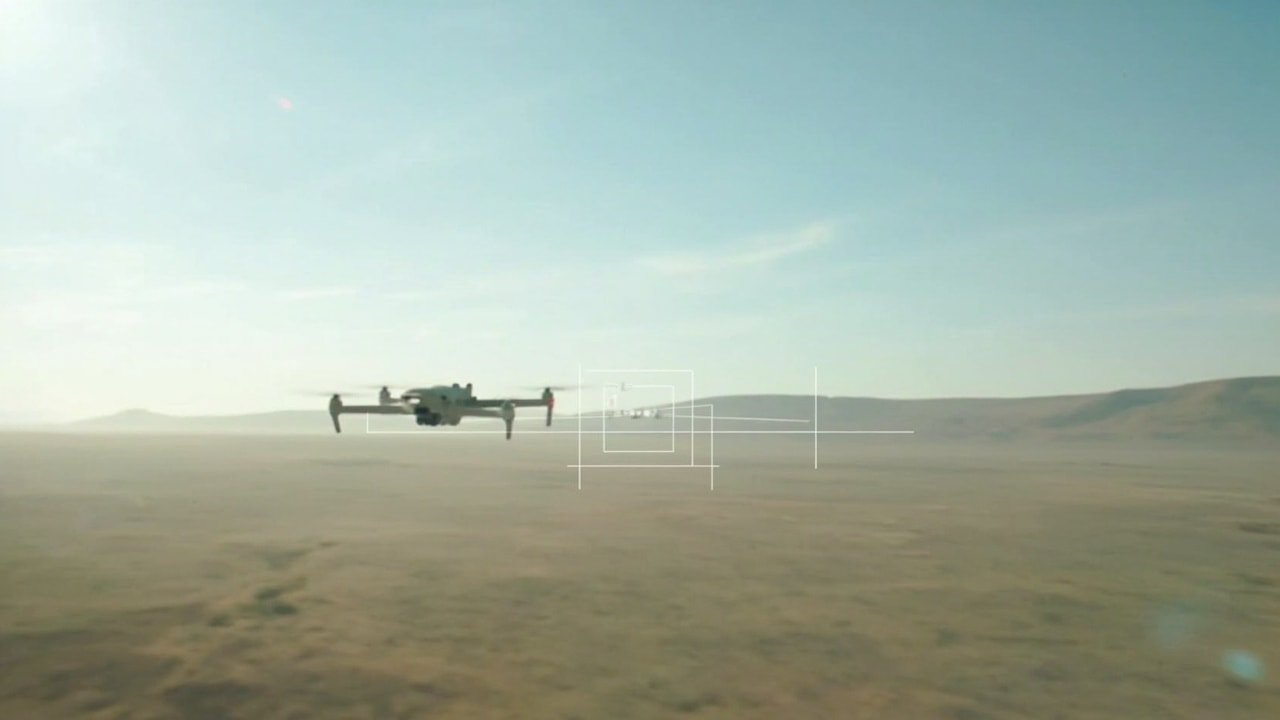
The DAU80 is a 280 g gyro-stabilized UAV gimbal that combines dual visible-light cameras, infrared thermal imaging, and laser ranging. It is intended for pilots and integrators building airborne observation, inspection, security, search, or monitoring systems that need visible and thermal video plus distance measurement.
Verified specifications
| Payload weight | 280 g |
|---|---|
| Visible-light imaging | Dual sensors; 3840 × 2160 at 30 fps |
| Thermal imaging | 640 × 512 at 30 fps; 22.9° × 18.4° field of view |
| Laser ranging | 1,200 m range with ±1 m accuracy |
| Stabilization and positioning | 0.1 mrad stabilization accuracy at 1°/2 Hz (1σ); angular position accuracy ≤0.3° |
| Control interfaces | 232 serial port using TTL; SBUS |
| Video output | Network output |
| Power | 12–24 V input; average consumption ≤15 W |
Visible and thermal imaging
The visible-light system uses dual 4K sensors capable of 3840 × 2160 at 30 fps. Listed optics include an 83° × 53° wide view with a 3.2 mm lens and a 20° × 11° narrow view with a 16 mm lens, giving integrators two documented framing options.
The infrared channel records 640 × 512 thermal imagery at 30 fps across a 22.9° × 18.4° field of view. Together with 1200 m laser ranging, the payload supports daylight imaging, low-visibility observation, heat-source awareness, and distance measurement without requiring three separate sensor units.
- Visible: 3840 × 2160 at 30 fps
- Thermal: 640 × 512 at 30 fps
- Laser: 1,200 m range, ±1 m accuracy
Stabilization and motion control
The three-axis gyro-stabilized structure uses yaw, roll, and pitch axes to keep the imaging head aligned during aircraft movement. Documented motion limits are a -140° to +140° yaw range, -45° to +45° roll range, -90° to +30° pitch range, and maximum angular velocity of at least 60°/s.
Stabilization accuracy is listed as 0.1 mrad at 1°/2 Hz with 1σ statistics, while angular position accuracy is no more than 0.3°. These values describe stated performance under the supplied conditions; they should not be treated as guaranteed results in every flight configuration.
- Yaw: -140° to +140°
- Roll: -45° to +45°
- Pitch: -90° to +30°
Operation and civilian uses
The DAU80 supports target recognition, target tracking, and image compression, while network video provides a common output for compatible onboard systems. The source identifies these as payload functions, but does not specify the recognition workflow, tracking protocol, latency, or supported video formats. Those points require confirmation before system design.
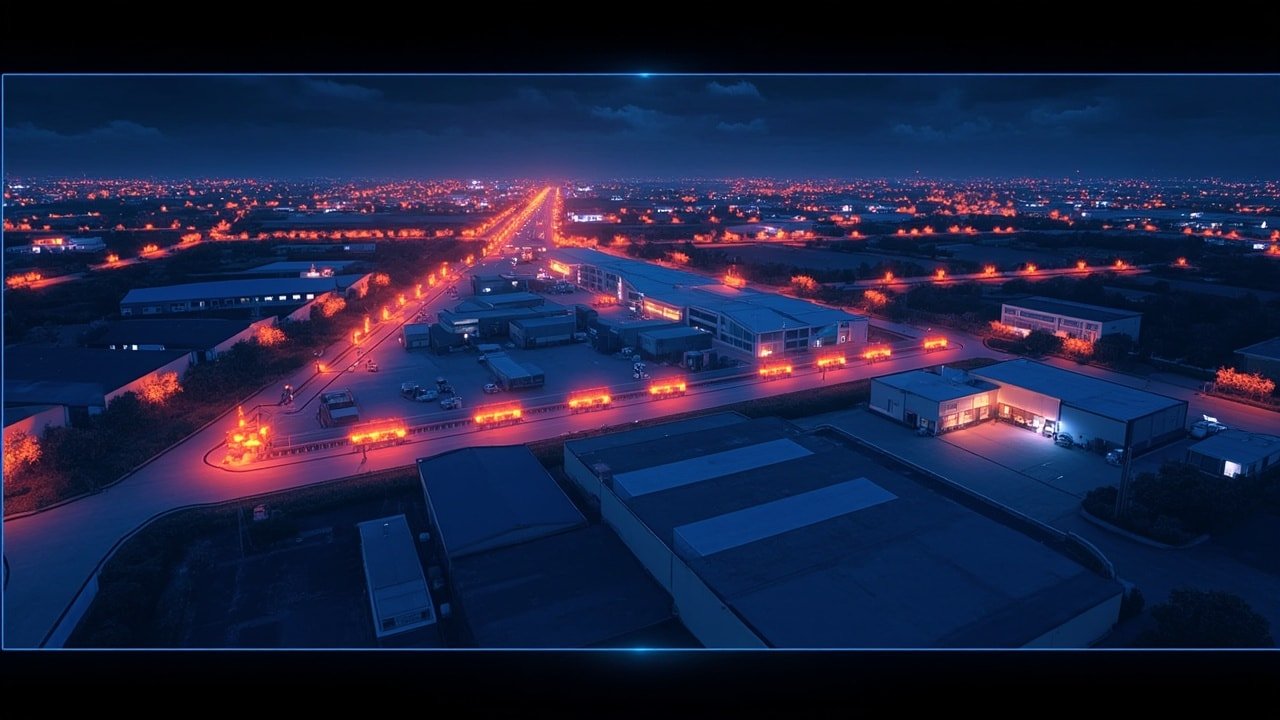
Documented civilian uses include surveillance, security patrol, power-line inspection, infrastructure and facility inspection, search and rescue, fire monitoring, disaster assessment, and emergency reconnaissance. Visible and thermal channels are relevant when operators need imaging in daylight, darkness, or low-visibility conditions.
- Surveillance and security patrol
- Power-line and infrastructure inspection
- Search, fire, and disaster monitoring

Payload integration considerations
At 280 g, the DAU80 is positioned as a micro payload for UAVs with limited capacity. It accepts 12–24 V power and has average consumption of no more than 15 W, but the source does not state peak power, current draw, connector details, or an aircraft-specific power bus. An integrator must budget those items before mounting.
The metal housing is designed for structural reliability and EMC performance. Before flight, verify the aircraft’s payload allowance, required stabilizer interface, power source, video network, thermal management, and gimbal-clearance envelope. SBUS and TTL serial control are documented, while detailed protocol and electrical pinout support are not.
- Confirm 12–24 V supply and peak-power headroom
- Validate TTL/SBUS and network-video connections
- Check payload margin and three-axis clearance
Frequently asked questions
How much does the DAU80 payload weigh?
The published DAU80 payload weight is 280 g. The data does not separately list weights for brackets, cables, or other installation hardware, so buyers should confirm the full installed weight against the aircraft’s payload limit.
Can the DAU80 support day-and-night observation?
Yes. The DAU80 combines dual 4K visible-light imaging with a 640 × 512 infrared channel at 30 fps. Visible imagery is listed at 3840 × 2160 at 30 fps, while the thermal channel supports night and low-visibility observation.
What are the ranging and stabilization figures?
The documented laser ranging distance is 1,200 m, with accuracy of ±1 m. This is separate from the stated 0.1 mrad stabilization accuracy and ≤0.3° angular position accuracy. The source provides no separate ranging performance data for different target materials.
Which interfaces support UAV integration?
The payload provides network video output, 232 serial control over TTL, and SBUS control, with a 12–24 V power interface. These details support integration planning, but the supplied data does not include pinouts, video standards, protocol commands, or aircraft-specific compatibility.