DS80 Tactical Pod: Compact Dual-Light EO/IR Gimbal
Gimbal Pod · Product guide
The DS80 Tactical Pod is a compact gyro-stabilized imaging unit for drone, vehicle, and autonomous-system integrations. It combines 1920×1080 visible imaging with 640×512 thermal imaging, while providing target tracking and broad pan and tilt ranges. Its weight below 240 g makes platform capacity an important consideration during selection.
Verified specifications
| System type | Gyro-stabilized EO/IR gimbal pod |
|---|---|
| Visible-light sensor | 1920×1080 at 60 fps |
| Thermal sensor | 640×512 at 60 fps |
| Weight | Less than 240 g |
| Yaw range | -110° to +110° |
| Pitch range | -100° to +40° |
| Maximum angular velocity | At least 100°/s |
| Power supply | 12–28 V |
| Power consumption | Average no more than 10 W; maximum no more than 20 W |
| Operating temperature | -40°C to +60°C |
Dual-Light Sensor Package
The DS80 pairs a 1920×1080 visible-light sensor operating at 60 fps with a 640×512 infrared thermal sensor operating at 60 fps. This documented combination lets integrators retain scene context and thermal information within the same stabilized pod rather than carrying a separate visible and thermal payload.
The sensors offer different spatial resolutions and should be treated as complementary rather than interchangeable. Visible imaging provides detailed color scene information, while the thermal channel is intended for heat-related observation. Actual detection, recognition, and tracking performance will depend on the operating environment, target, distance, and processing configuration.
- Visible imaging: 1920×1080 at 60 fps
- Thermal imaging: 640×512 at 60 fps
- Both channels are housed in one pod
Stabilization and Tracking
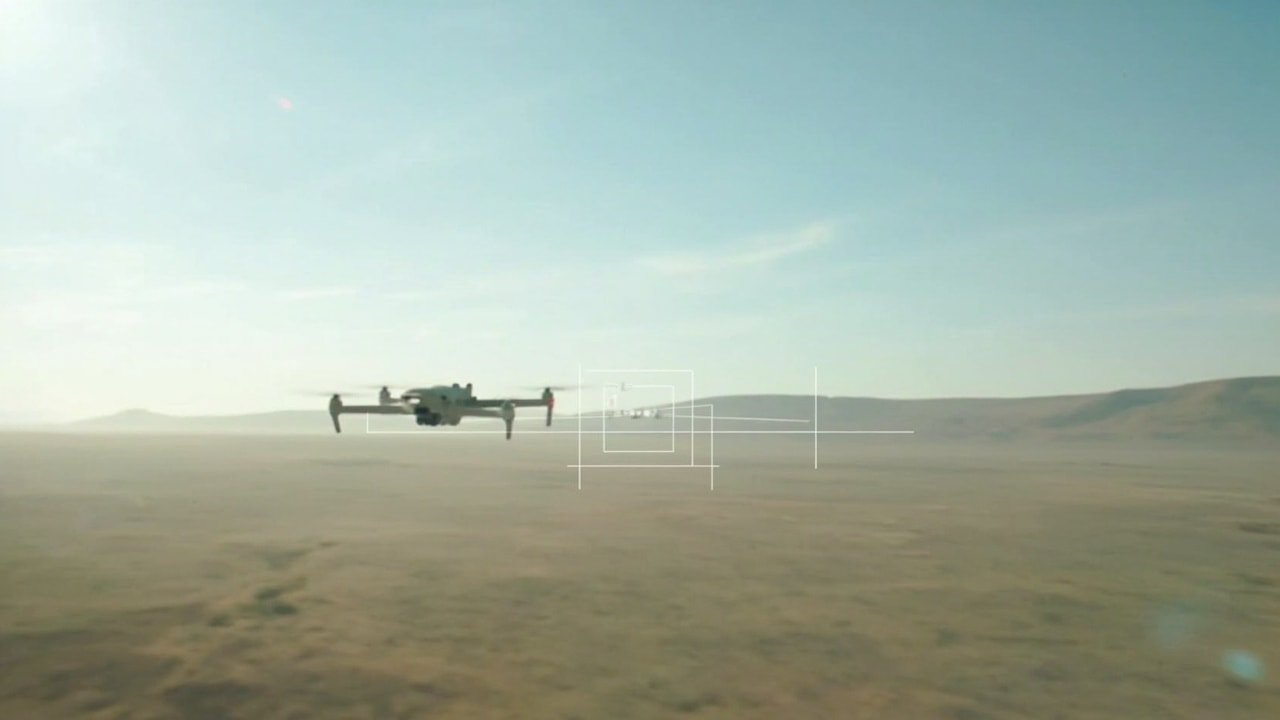
The pod uses gyro stabilization with documented movement across both yaw and pitch axes. Its -110° to +110° yaw range and -100° to +40° pitch range provide substantial directional coverage, while a maximum angular velocity of at least 100°/s supports repositioning between observations.
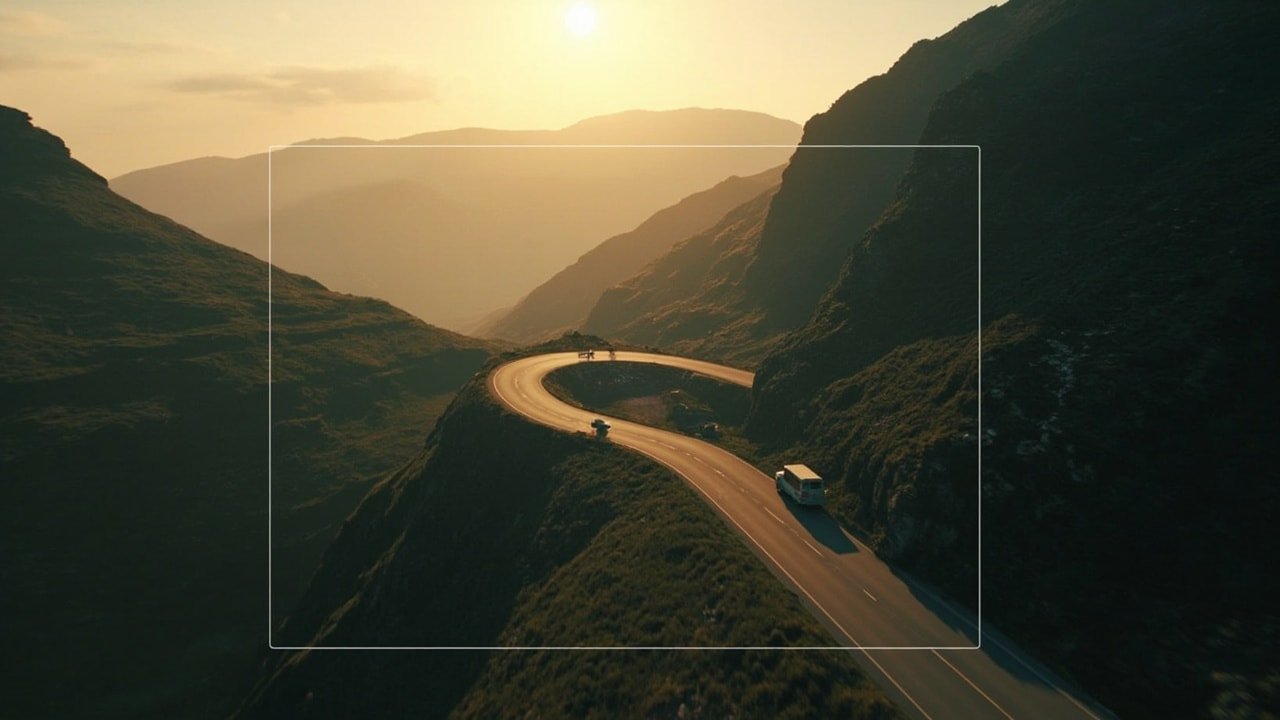
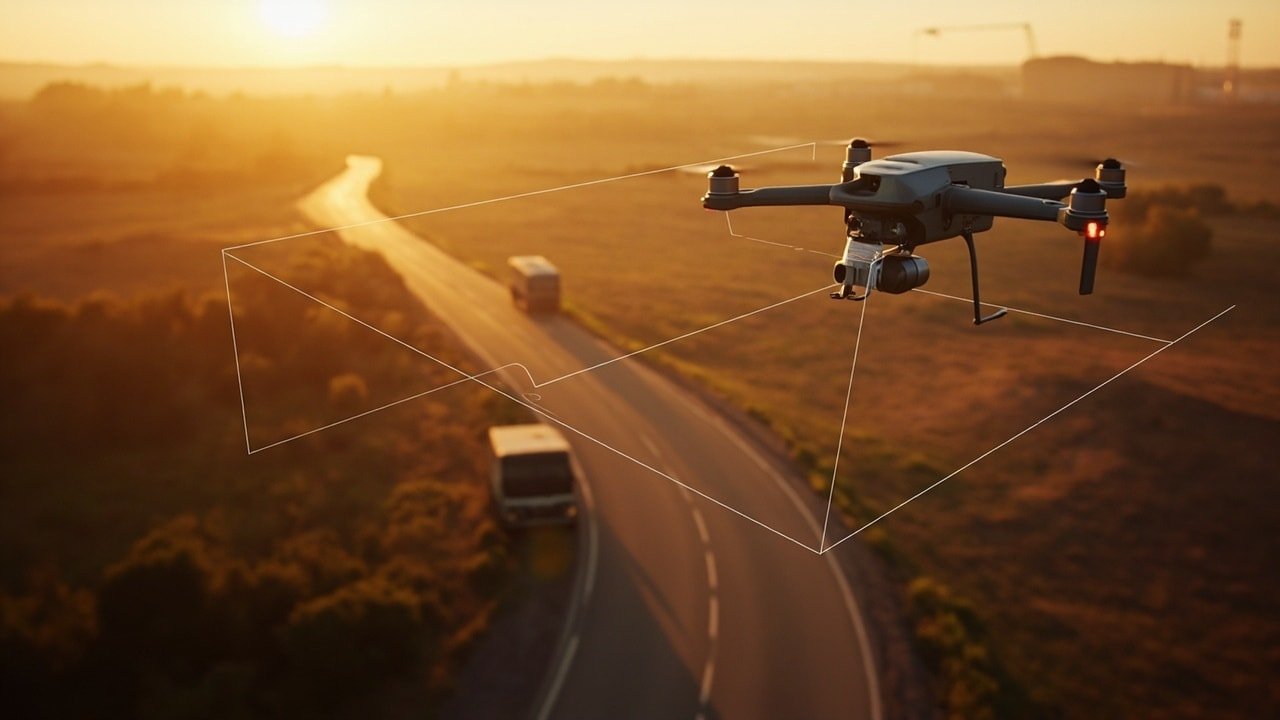
Dynamic tracking is specified for locking onto and following moving targets, including when lighting conditions change. The product description also describes automatic target framing. Before integrating this behavior into an operational workflow, verify how targets are selected, how tracking is initiated, and how recovered track data is presented to the platform operator.
- Dual-axis pitch and yaw movement
- Target tracking across changing lighting conditions
- Automatic framing is listed among the operating features
Payload and Power Planning
At less than 240 g, the DS80 is intended for payload-conscious integration on drones and vehicles. The stated mass should be included in the aircraft’s total payload calculation along with the mount, wiring, and any separate processing or communications equipment required by the complete installation.
Electrical requirements span 12–28 V, with average consumption listed at no more than 10 W and maximum consumption at no more than 20 W. Platform planners should confirm supply voltage, current margin, grounding, and thermal management under the highest expected operating load. These are integration checks rather than proof of compatibility with any particular platform.
- Pod mass is below 240 g
- Accepts a 12–28 V power supply
- Maximum documented consumption is 20 W
Civilian Mission Selection
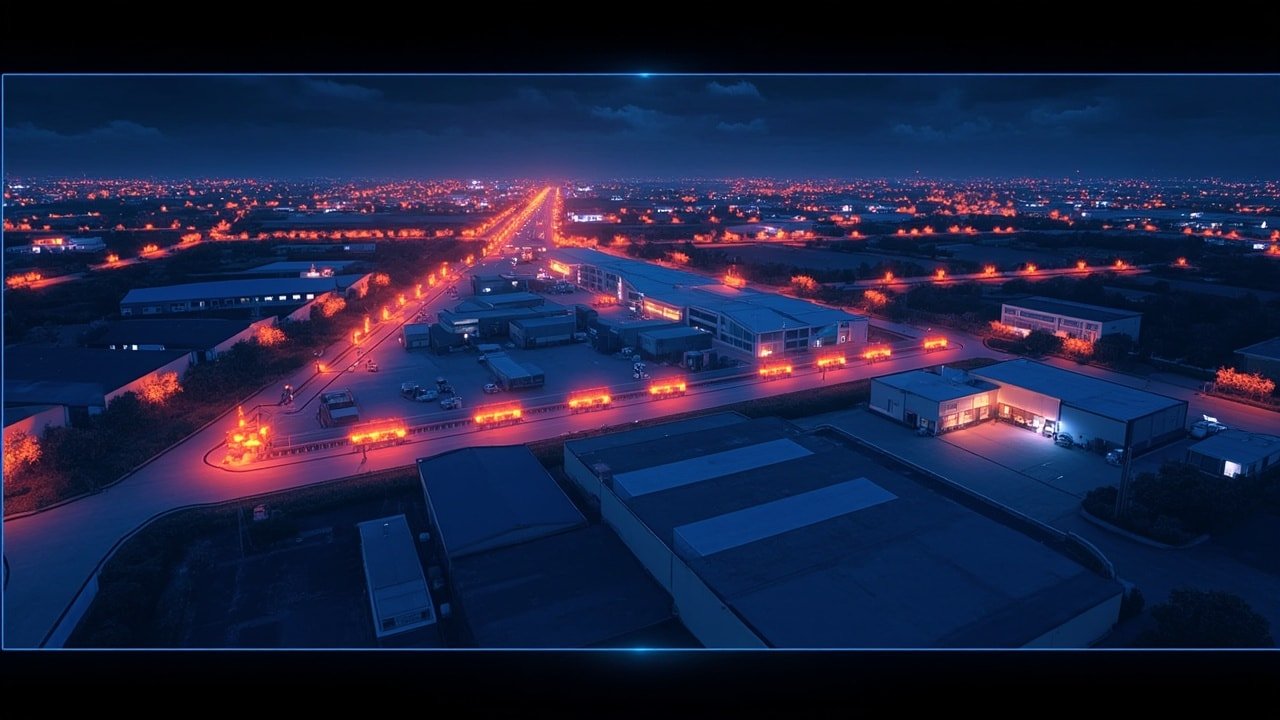
The DS80 is described for surveillance and security, search and rescue, and autonomous-system situational awareness. These applications align with its combined visible and thermal channels, automated tracking, and stabilized viewing. The thermal channel may assist search-and-rescue teams with heat-signature observation in low-visibility conditions, while visible imaging supports broader scene monitoring.
For infrastructure, urban, or vehicle-mounted deployments, operators should assess whether the stated viewing ranges meet the required coverage and whether automatic tracking fits the intended workflow. A second image payload may be unnecessary when one operator needs both visual context and thermal observation, but changing light, weather, target distance, and scene movement still require mission-specific validation.
- Critical-infrastructure and area surveillance
- Search-and-rescue heat-signature observation
- Visual and thermal situational awareness for autonomous platforms
Platform Integration Checks
The product can be deployed on drones or vehicles, but the supplied specifications do not identify a particular mount, connector set, communications protocol, or control interface. Buyers should therefore request platform-specific documentation before committing to an installation rather than assuming that mechanical fit or command-and-control compatibility is already established.
Integration planning should also account for shock exposure, the operating environment, and the need for uninterrupted power at up to the documented 20 W maximum. Confirm whether the host platform can accept the pod’s mass, provide the required voltage, carry the video and tracking data, and support an appropriate mounting arrangement.
- Verify mount dimensions, payload allowance, and vibration conditions
- Confirm power connections, grounding, and peak-load capacity
- Request the supported control, video, and tracking interfaces
- Validate tracking behavior in the intended operating scenario

Frequently asked questions
What imaging sensors does the DS80 contain?
The DS80 combines a 1920×1080 visible-light sensor operating at 60 fps with a 640×512 infrared thermal sensor also operating at 60 fps. Both channels are integrated into the same gyro-stabilized pod, allowing a platform operator to use visual scene detail and thermal information together.
How much does the pod weigh and what power does it need?
The documented pod weight is less than 240 g. It accepts a 12–28 V supply, with average power consumption listed at no more than 10 W and maximum consumption at no more than 20 W. The complete mounted installation may require additional mass and power for cables, mounts, and external equipment.
Is the DS80 confirmed compatible with a specific drone or vehicle?
No specific platform compatibility is confirmed by the supplied product data. The DS80 is described for deployment on drones and vehicles, but mount dimensions, connectors, control protocols, video interfaces, and platform power capacity should be verified with the manufacturer before an integration is purchased.
What movement and tracking functions are specified?
The pod provides gyro stabilization across yaw and pitch, with a -110° to +110° yaw range, a -100° to +40° pitch range, and a maximum angular velocity of at least 100°/s. Dynamic and automatic target tracking are also listed, with track initiation and control details requiring platform-specific confirmation.