DS30BPRO Three-Light Camera Pod Overview
Gimbal Pod · Product guide
The DS30BPRO is a three-light gimbal pod for organizations that need stabilized visible imagery, thermal observation, and laser distance data from one payload. It combines automated target tracking, 30x visible zoom, and a thermal camera for surveillance, traffic monitoring, search and rescue, and other civilian operations. Buyers should confirm installation, power, and mission requirements before selecting it.
Verified specifications
| System type | Gyro-stabilized three-axis gimbal pod |
|---|---|
| Visible resolution | 1920×1080 at 60fps |
| Visible zoom and focal length | 30x; 4.5–135mm |
| Thermal imaging | 640×512 at 60fps |
| Thermal field of view | 8.7° × 7° at 50mm |
| Laser ranging range | 30–3000m |
| Maximum angular velocity | ≥100°/s |
| Power consumption | Average ≤16W; maximum ≤30W |
| Operating temperature | -20°C to +50°C |
Coordinated Three-Light Sensors
The DS30BPRO combines a visible-light camera, infrared thermal camera, and laser-ranging system in one gimbal payload. Visible imaging covers 1920×1080 at 60fps with a 4.5–135mm focal-length range, while the thermal channel provides 640×512 imagery at 60fps. The stated ranging distance extends from 30 to 3000m, allowing operators to pair scene detail with distance information.
- Visible camera: 30x zoom
- Thermal camera: 640×512 at 60fps
- Laser ranging: 30–3000m
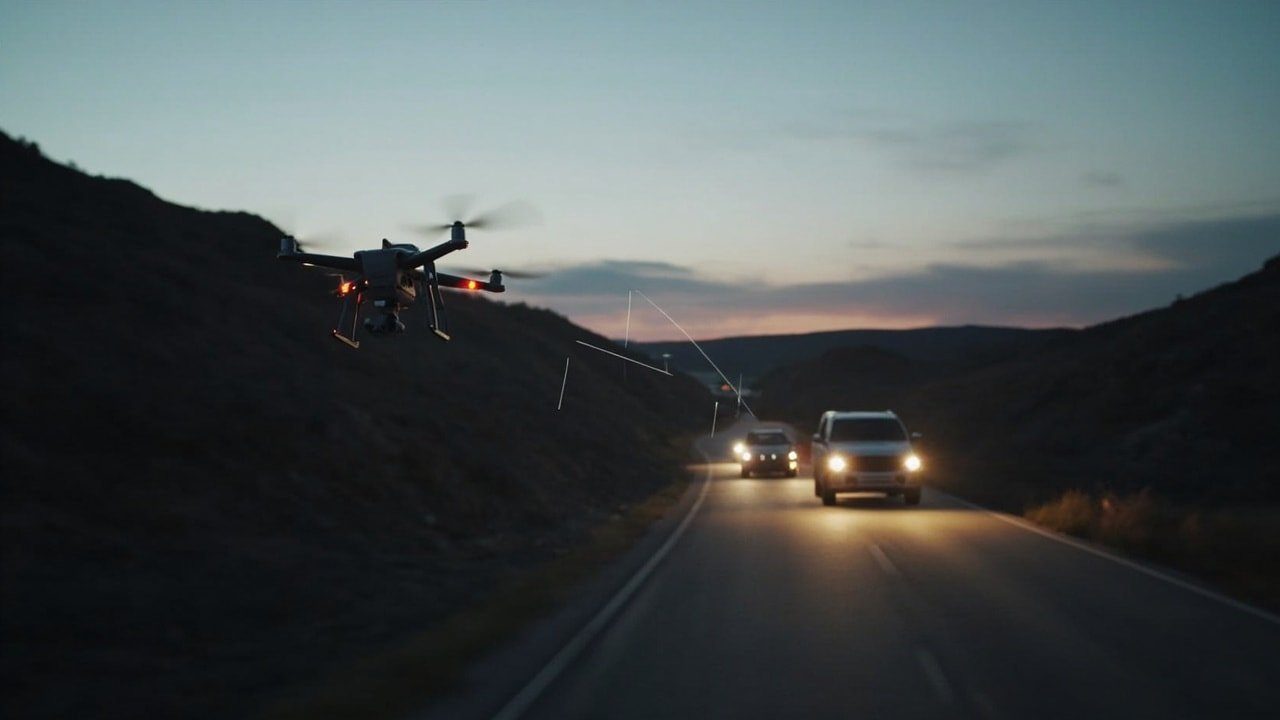
Stabilized Tracking and Observation
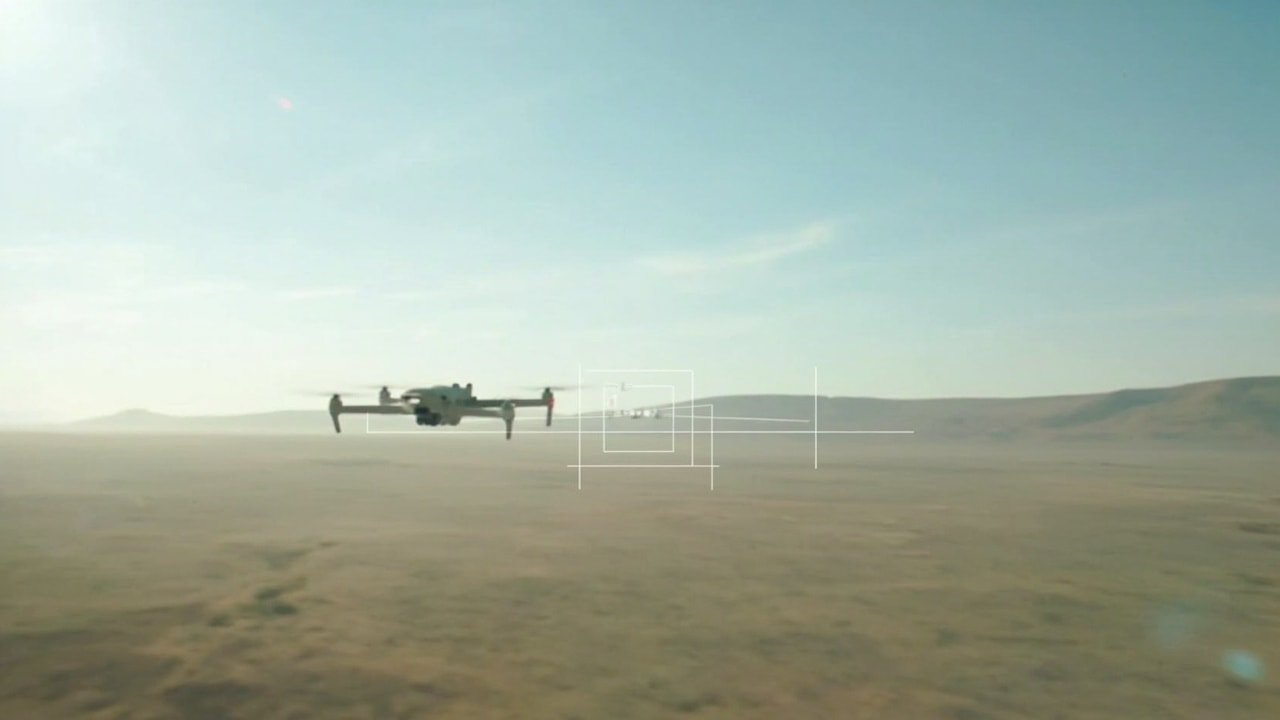
A three-axis gyro-stabilized structure is intended to counter movement-induced shake, while a dynamic stabilization algorithm supports steadier imagery. The described tracking function automatically adjusts camera angle and focal length to follow moving targets. Maximum angular velocity is listed at ≥100°/s, indicating the platform’s stated capacity for rapid orientation changes during observation or tracking.
- Automatic target tracking
- Automatic angle and focal-length adjustment
- Three-axis gyro stabilization
Civilian Mission Applications
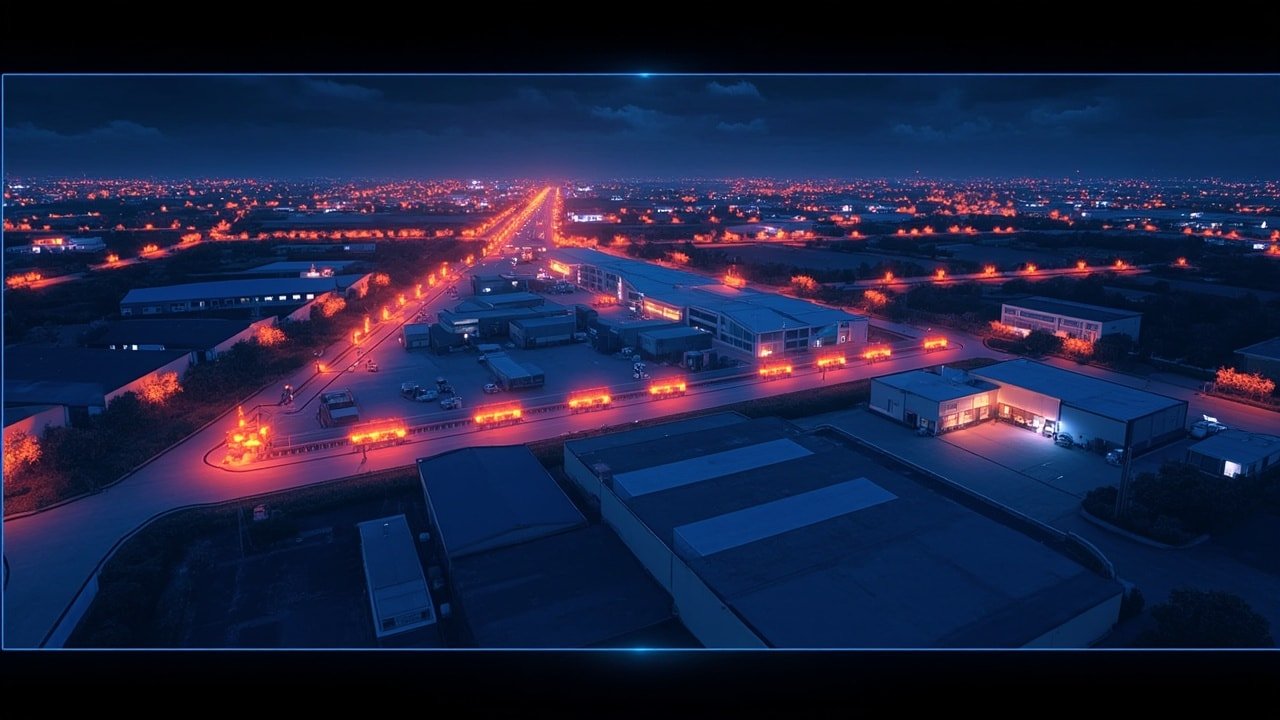
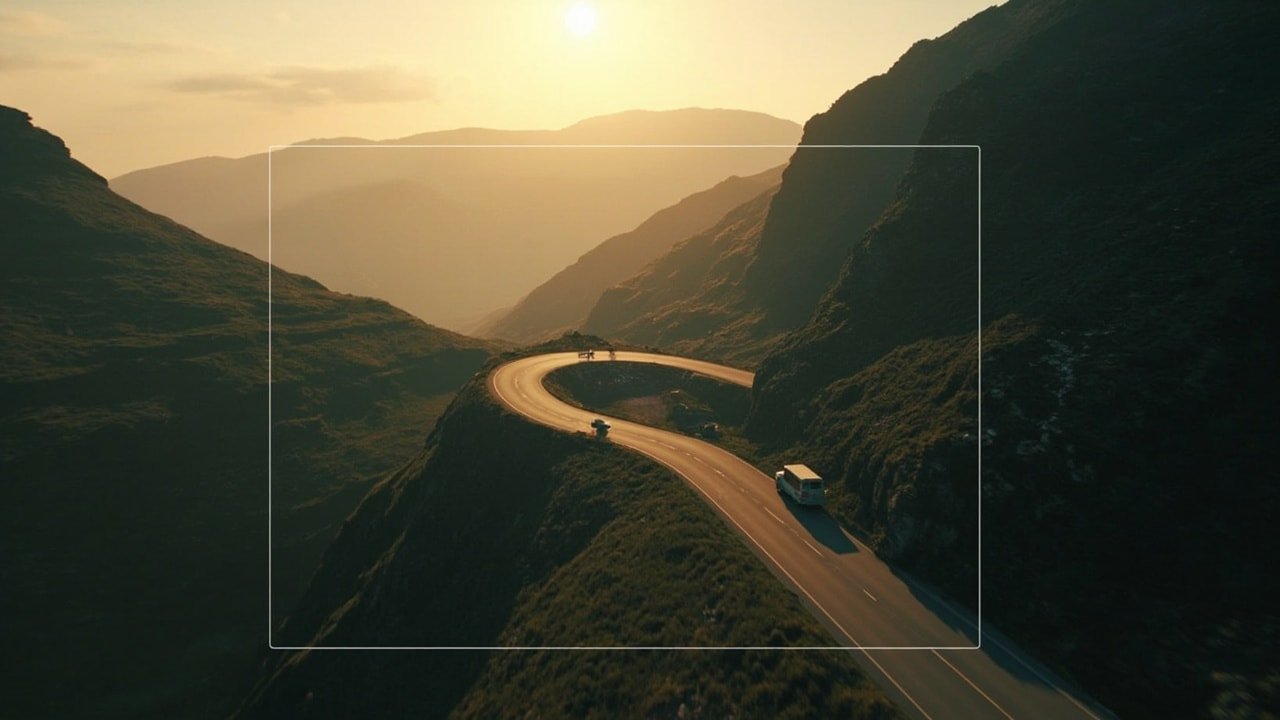
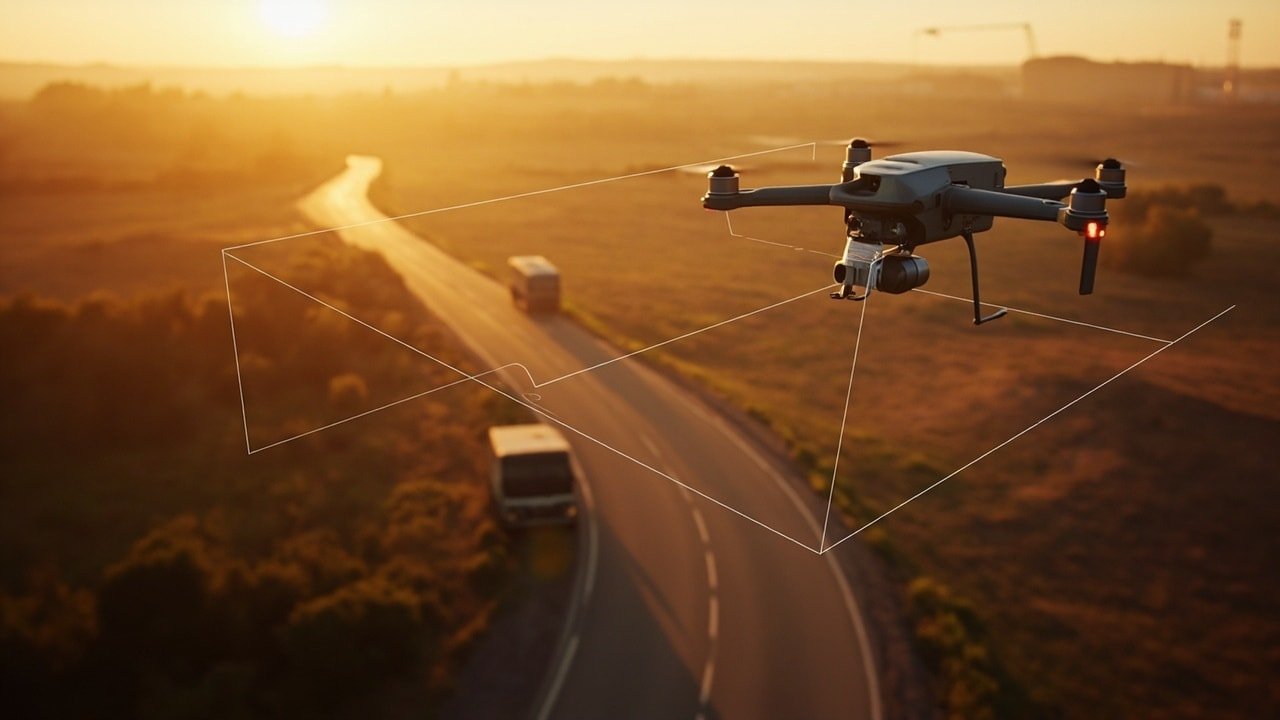
Published use cases include surveillance and security, traffic monitoring, search and rescue, and autonomous-vehicle perception. These are application scenarios rather than proof of integration with any particular traffic, rescue, or vehicle system. The thermal channel may assist with locating heat sources in low visibility, while the visible zoom and ranging functions support longer-distance observation and target identification work.
- Area surveillance and security
- Traffic-flow and vehicle monitoring
- Search-and-rescue heat-source observation
Matching the Mission Profile
The visible and thermal channels serve different observational needs. The visible camera provides detailed 30x zoom, whereas the thermal camera emphasizes heat-source imaging within an 8.7° × 7° field of view. Ranging adds distance data up to 3000m, but actual usable range can depend on the target and operating environment. Selection should therefore begin with the scene, required detail, and environmental conditions.
- Assess required imaging detail
- Confirm thermal and visible use cases
- Validate ranging conditions
- Consider available installation space
Pre-Deployment Integration Checks
The supplied specifications identify power draw but do not publish pod weight, payload capacity, data interfaces, or supported control protocols. Those details must be confirmed with the supplier before installation. The quick-release structure may simplify mounting and removal, but operators should still verify aircraft clearance, balance, cable routing, control integration, and whether the available power supply can meet the listed maximum consumption.
- Confirm payload weight and mounting capacity
- Verify power availability and thermal management
- Check control and data interfaces
- Validate clearance, balance, and quick-release access
Frequently asked questions
What imaging and measurement functions does the DS30BPRO provide?
The pod combines a 30x visible-light camera, a 640×512 infrared thermal camera, and a laser-ranging system. These channels support detailed visual observation, heat-source imaging, and distance measurement within a documented ranging range of 30–3000m, all mounted on a three-axis gyro-stabilized platform.
How does the documented tracking function operate?
The stated AI tracking and recognition function automatically adjusts the camera’s angle and focal length to follow and capture moving targets. The published material does not identify specific recognition classes, detection limits, tracking modes, or supported control commands, so those capabilities require supplier confirmation.
What should integrators verify before installing the pod?
Integrators should confirm the pod’s weight, payload capacity, power requirements, mounting method, data interface, and supported control protocol. The published specifications list maximum power consumption of 30W and a quick-release structure, but do not provide the missing mechanical and electronic interface details needed for final installation.