DS30Apro Three-Light Lightweight Gimbal Pod Review
Gimbal Pod · Product guide
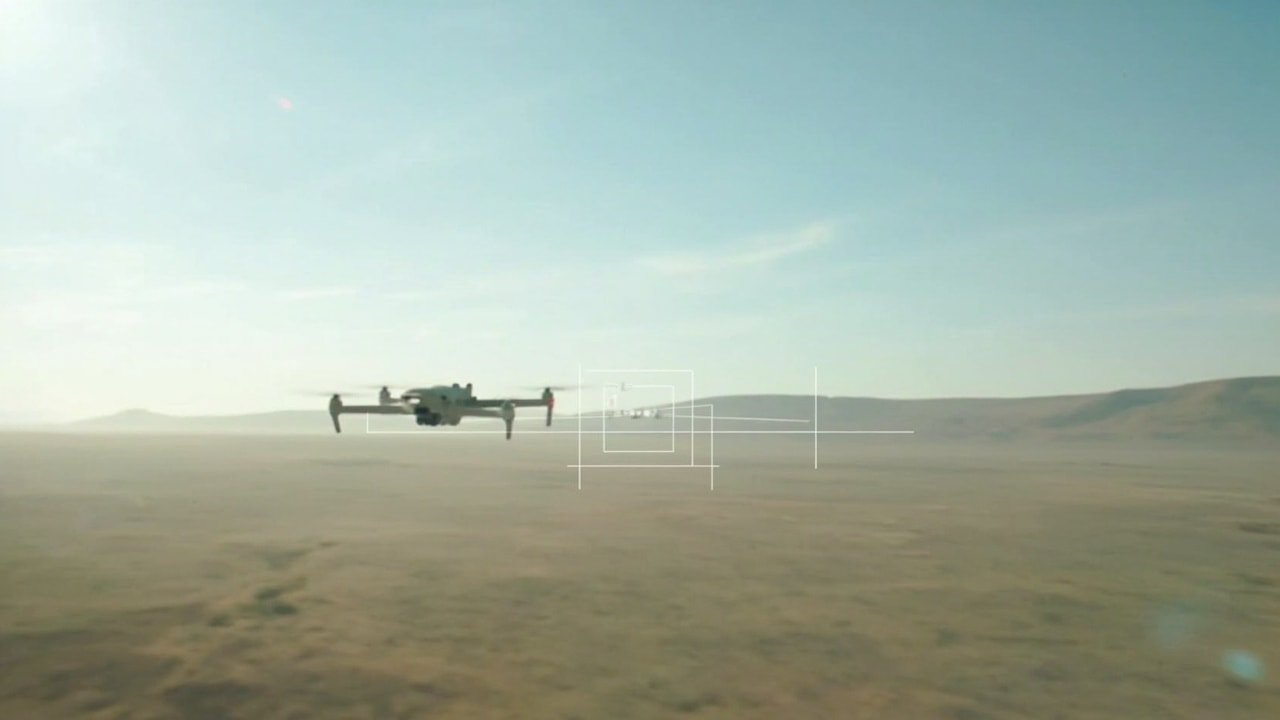
The DS30Apro Three-Light Lightweight Pod is a stabilized gimbal imaging device for security, search and rescue, industrial monitoring and environmental research. It combines visible-light zoom, visible-light fixed-focus and infrared thermal imaging in one pan-tilt platform, with AI-assisted tracking and aiming for operators who need flexible imaging and remote control.
Verified specifications
| System type | Gyro-stabilized pan-tilt gimbal pod |
|---|---|
| Visible-light zoom resolution | 1920 × 1080 at 60 fps |
| Infrared resolution | 640 × 512 at 60 fps |
| Infrared field of view | 8.7° × 7° with a 50 mm long-focus infrared lens |
| Visible-light focal lengths | 4.5–135 mm zoom; 2.8 mm fixed focus |
| Control interface | RS232 |
| Power interface | 12–28V |
| Power consumption | Average ≤16W; maximum ≤30W |
Three Imaging Channels
The DS30Apro combines three documented imaging paths: a 4.5–135 mm visible-light zoom, a 2.8 mm visible-light fixed-focus camera and a 50 mm infrared thermal camera. This combination lets an operator frame a scene broadly, inspect a distant subject optically or monitor heat patterns without changing the complete payload.
The visible zoom channel records at 1920 × 1080 and 60 fps, while the thermal channel records at 640 × 512 and 60 fps. The thermal channel has an 8.7° × 7° field of view. These figures describe output modes and optics, but they should not be treated as detection-range or identification-performance guarantees.
Stabilization and Pointing Control
A gyro-stabilized platform supports steadier pointing than an unstabilized camera. The published stability accuracy is 0.1 mrad at 1° per 2 Hz, expressed as 1σ, while maximum angular velocity is at least 100° per second. These are technical performance figures rather than results from a particular aircraft or operating environment.
AI recognition is incorporated into the tracking and aiming function, with a published tracking speed of at least 40° per second. Operators can use the zoom, fixed-focus and thermal modes for different scene requirements, but target behavior and tracking performance may vary with subject size, contrast, movement and environmental conditions.
Civilian Monitoring Applications
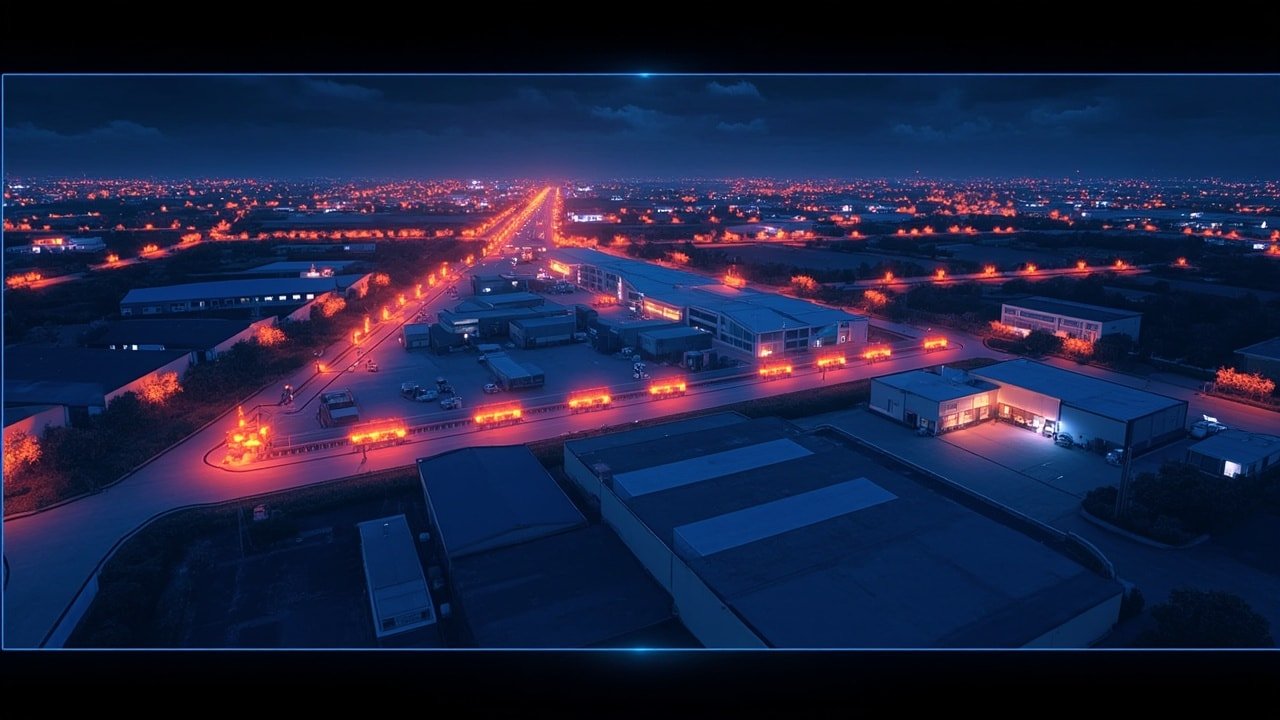
For security surveillance, the thermal channel can support round-the-clock observation when visible detail is limited, while the visible cameras provide scene context and optical zoom. AI-assisted tracking and aiming are relevant to fixed-site monitoring, although no specific recognition classes or accuracy figures are published in the supplied data.
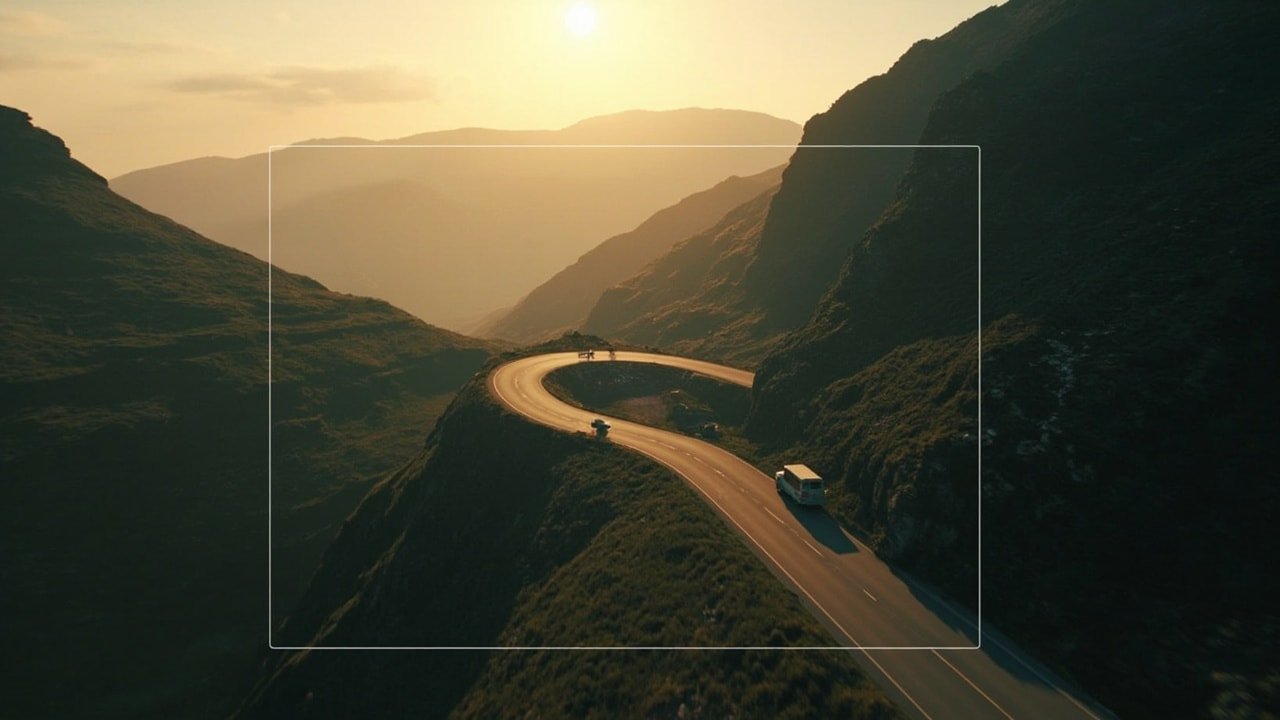
Search-and-rescue teams can use thermal imaging to locate heat-emitting targets in darkness or smoke. Industrial monitoring can draw on the thermal and visible channels to inspect equipment and infrastructure. Environmental research can compare heat patterns and fixed-focus imagery, with mode selection matched to the distance and detail required.
Integration and Selection Checks
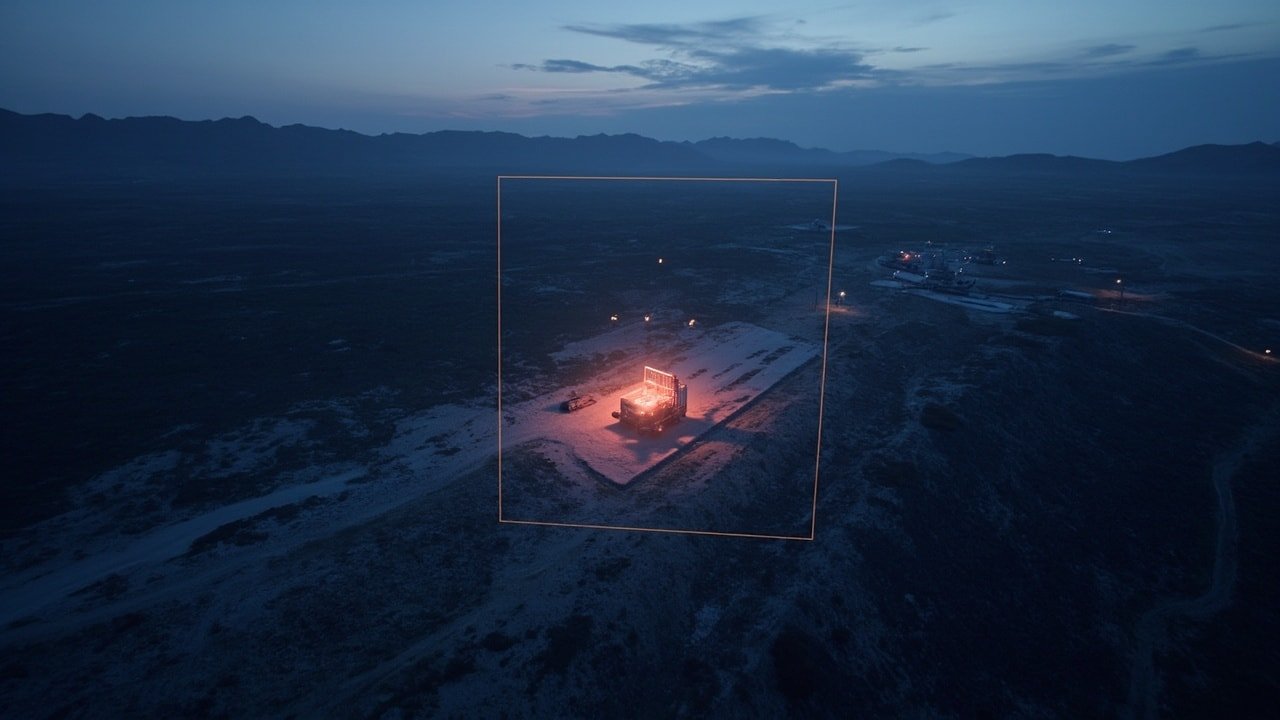
The pod accepts a 12–28V power input and uses RS232 for control, making the electrical and command requirements central to platform selection. Average consumption is no more than 16W and maximum consumption no more than 30W. A quick-release design is listed, but installation should still be checked against the intended mount, vibration environment and available power budget.
Before integration, confirm the required imaging mode, control commands, cable routing and power capacity. No aircraft payload rating, mounting-hole pattern, weight or protocol detail is provided here, so compatibility should not be assumed from the gimbal-pod category alone.
- Confirm the host can supply a stable 12–28V input within the power budget
- Verify RS232 command support and the required connector or cable arrangement
- Check mounting security, vibration conditions and unobstructed movement
- Select EO zoom, EO fixed-focus or thermal output for the scene
- Request weight, dimensions and protocol details before final integration
Frequently asked questions
What imaging modes does the DS30Apro provide?
It provides three modes: visible-light zoom with a 4.5–135 mm focal range, visible-light fixed focus at 2.8 mm, and infrared thermal imaging through a 50 mm lens. The visible zoom outputs 1920 × 1080 at 60 fps, while infrared outputs 640 × 512 at 60 fps.
How is the pod stabilized and controlled?
The DS30Apro uses gyro stabilization and provides a stated stability accuracy of 0.1 mrad at 1° per 2 Hz, expressed as 1σ. Its control interface is RS232. Maximum angular velocity is listed as at least 100° per second, and tracking speed as at least 40° per second.
What power does the DS30Apro require?
The power input range is 12–28V. Rated consumption is no more than 16W on average and no more than 30W at maximum. The available power and wiring arrangement should be verified in the intended installation because the supplied data does not identify a specific connector or aircraft power source.
Which civilian tasks suit this gimbal pod?
Documented uses include security surveillance, search and rescue, industrial monitoring and environmental research. Thermal imaging is suited to darkness, smoke and heat-source observation, while the visible channels add fixed-angle context and adjustable optical zoom. Actual detection and identification outcomes depend on the scene and operating conditions.