D-C4110UV Network Camera Module for UAV Imaging Systems
Camera Systems · Product guide
The D-C4110UV is a compact network camera module for UAV, industrial monitoring and security systems that need remote, zoomable imagery. It combines a 1/2.8-inch progressive-scan CMOS sensor with 4MP live video, 10x optical zoom and H.265, H.264 or MJPEG output. Its RTSP, ONVIF and IPv6 support make it relevant to integrators planning networked imaging systems.
Verified specifications
| Image sensor | 1/2.8-inch progressive-scan CMOS |
|---|---|
| Maximum resolution | 2560×1440 at 30fps |
| Optical zoom | 10x, with a 4.8–48mm focal length |
| Field of view | 62–7.6° horizontal |
| Video compression | H.265, H.264 and MJPEG at 32 Kbps–16 Mbps |
| Interfaces and protocols | ONVIF, RTSP and IPv6 |
| Power consumption | 2.5W maximum, or 4.5W maximum with infrared |
| Dimensions and weight | 62.5×49×53.1mm; 160g with stand or 100g without stand |
Zoom and imaging performance
The module uses a 1/2.8-inch progressive-scan CMOS sensor and provides live output up to 2560×1440 at 30fps. Its 10x optical zoom covers focal lengths from 4.8mm to 48mm, narrowing the horizontal field of view from 62° to 7.6°. This lets an operator frame a wide area or isolate a smaller subject without relying solely on digital cropping.
Low-light specifications are listed as 0.001 lux at F1.6 in color and 0.0005 lux at F1.6 in black and white. The product description also identifies an infrared mode. These figures describe the stated operating specifications, but they do not replace verification of the complete camera, lens, lighting and IR configuration used in a particular installation.
Network output and operation
Output can be configured across several main-stream resolutions, including 2560×1440, 1920×1080, 1280×960 and 1280×720, with frame-rate adjustment available for multi-profile streams. H.265 and H.264 are supported alongside MJPEG, giving integrators a choice between modern compression, widely deployed video formats and direct image handling.
The module supports RTSP, ONVIF and IPv6, and can store recordings on Micro SD, SDHC or SDXC media up to 256GB. Operational features include motion detection, backlight compensation, electronic shutter control, 3D noise reduction and support for 255 presets and eight patrol patterns. The available three-stream workflow should be checked against the receiving system before deployment.
- Confirm the receiver accepts the selected RTSP or ONVIF workflow
- Select the required resolution, frame rate and compression profile
- Verify the storage format and capacity before enabling local recording
- Check how presets and patrols interact with the installed control system
Civilian monitoring applications
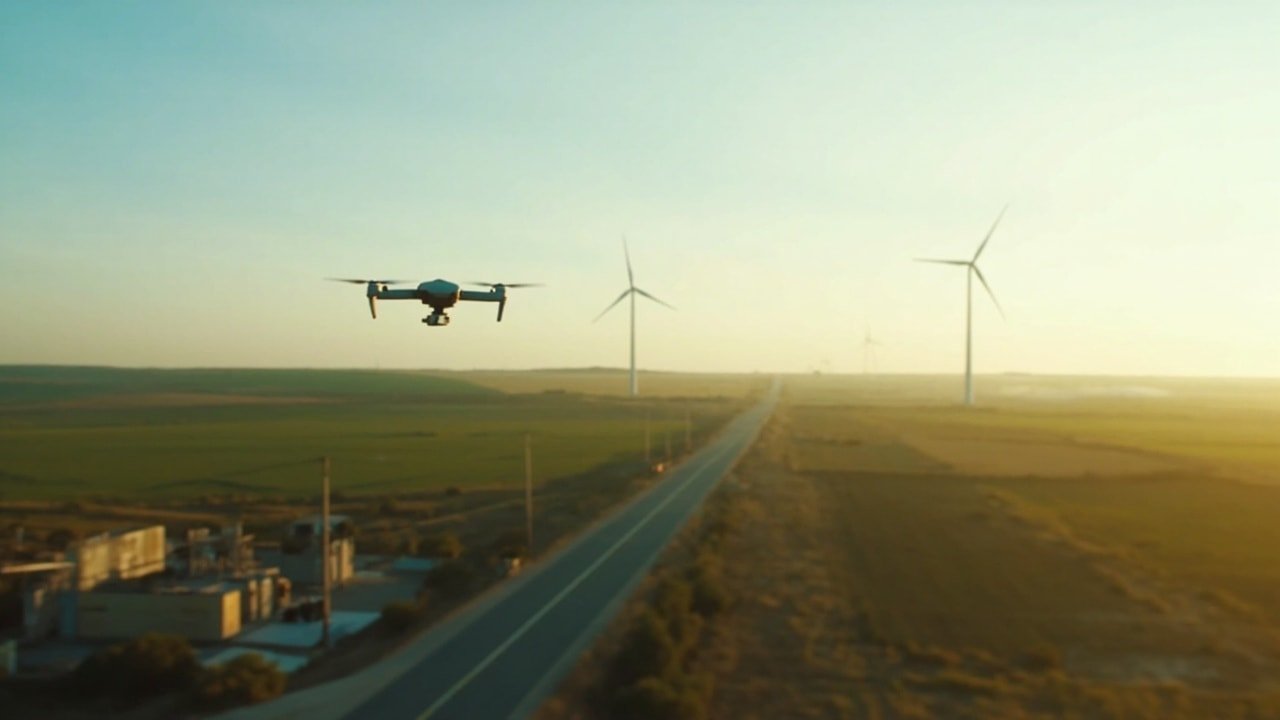
For UAV systems, the combination of optical zoom, low-light capability and a 100g weight without the stand makes the module relevant to compact airborne imaging platforms. Zoom is particularly useful when an aircraft cannot approach an inspected structure closely. Buyers must still validate the complete airborne installation, including the lens orientation, power supply, vibration environment and flight regulations applicable to their mission.
Industrial monitoring and perimeter security are other practical uses. Operators can select wider views for general observation or longer focal lengths for equipment, infrastructure or defined security zones. Motion detection and patrol presets provide configuration options, while local SD-card recording may add flexibility where continuous network availability is limited.
Size power and integration
The camera measures 62.5×49×53.1mm and weighs 160g with the stand or 100g without it. Maximum power consumption is stated as 2.5W, rising to 4.5W when infrared is used. These figures make payload, thermal load and power budgeting important considerations, particularly on smaller UAVs or remotely powered installations.
The lens range, field of view and weight are the principal mechanical selection points. The 4.8–48mm focal length determines how much optical magnification is available, while the stated dimensions determine whether the module fits the intended enclosure or mounting arrangement. Integration checks should cover connector availability, power regulation, IR requirements and compatibility with the chosen video platform.
- Confirm the lens and camera orientation within the airframe
- Budget for the stated infrared power requirement when needed
- Check enclosure clearance against the 53.1mm maximum dimension
- Validate the power source and network connection at the operating voltage
Frequently asked questions
What resolution and frame rate does the module support?
The maximum live output is 2560×1440 at 30fps. The main stream also supports 1920×1080, 1280×960 and 1280×720, with adjustable frame rates for multi-profile operation.
Is the zoom entirely digital?
No. The module provides 10x optical zoom using a 4.8–48mm focal-length range and separately supports 16x digital zoom. Its stated horizontal field of view changes from 62° at the wide end to 7.6° at the narrow end.
Which network integration standards are supported?
The listed interfaces include ONVIF, RTSP and IPv6. H.265, H.264 and MJPEG compression is available, but the receiving platform should be checked for support of the selected protocol, stream profile and resolution.
How compact and power-efficient is the camera?
The module measures 62.5×49×53.1mm and weighs 160g with its stand or 100g without it. Maximum consumption is listed as 2.5W, increasing to 4.5W when infrared operation is required.