A Practical Guide to the DS110 Stabilized EO/IR Pod
Gimbal Pod · Product guide
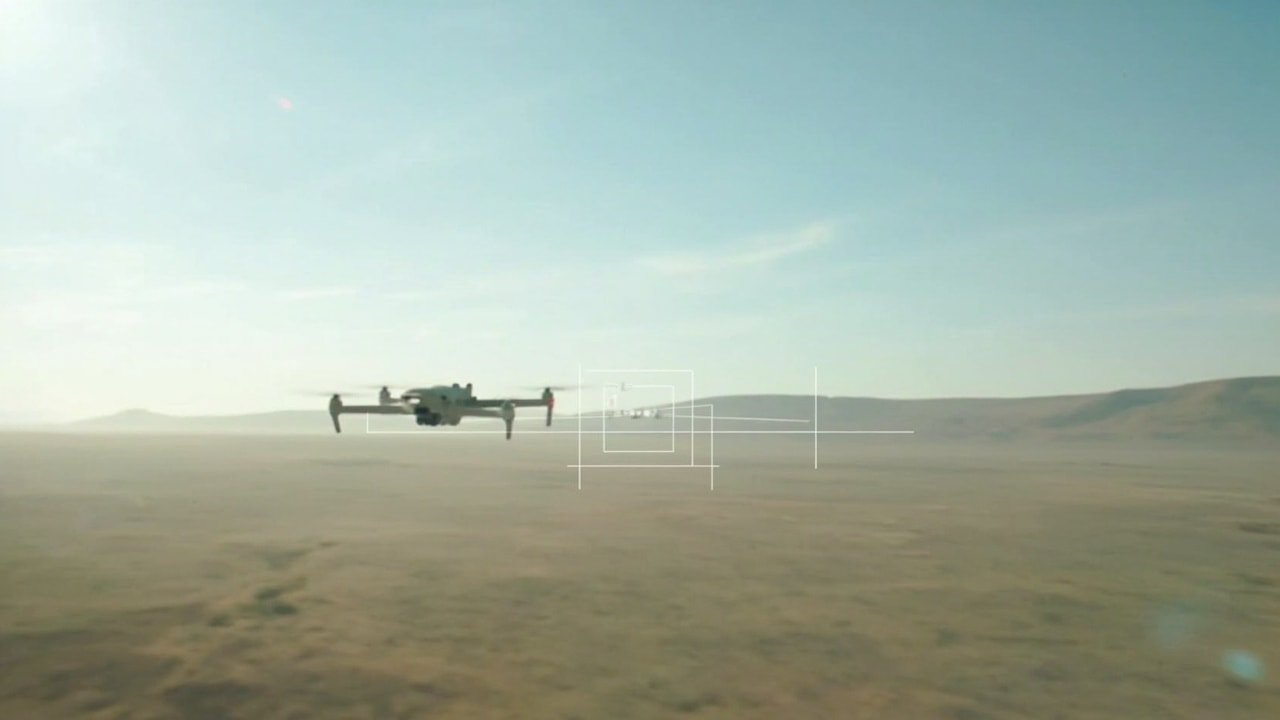
The DS110 Miniature Pod is an EO/IR stabilized payload for civilian surveillance, reconnaissance, law enforcement, and emergency-response work. It combines dual visible-light cameras, thermal imaging, laser ranging, and three-axis gyro stabilization. Integrators can use its compact, 510 g-or-less housing and quick-release design when planning mobile-platform installations.
Verified specifications
| Weight | ≤510 g |
|---|---|
| Stabilization system | Three-axis gyro stabilization; unlimited heading, pitch from -90° to +30°, angular velocity ≥60°/s |
| Visible-light imaging | Dual visible-light configuration; 1920 × 1080 at 60 fps |
| Visible-light field of view | 42° × 24.5° with a 7.2 mm lens |
| Thermal imaging | 640 × 512 at 60 fps |
| Thermal field of view | 18° × 13° with a 24 mm lens |
| Laser ranging | Maximum distance ≥3 km |
| Power | 12–28 V DC input; average consumption ≤15 W, maximum 30 W |
Visible and Thermal Sensor Suite
The DS110 documents two distinct imaging paths: dual visible-light cameras and an infrared thermal sensor. The visible channel records 1920 × 1080 at 60 fps with a 42° × 24.5° field of view. Thermal imaging operates at 640 × 512 and 60 fps with a narrower 18° × 13° field of view.
That difference matters when assigning a camera role. The visible sensors provide the higher-resolution view, while thermal imaging supplies a separate infrared perspective for low-light or no-light observation. The supplied product information does not describe detector sensitivity, thermal resolution standards, zoom behavior, or spectral details, so those capabilities should not be assumed.
- Confirm which visible-camera feed and thermal feed each output exposes.
- Request the exact lens and field-of-view details for the installed configuration.
- Do not infer digital zoom, thermal sensitivity, or low-light performance from resolution alone.
Stabilization and Motion Envelope
Gyro stabilization controls horizontal, vertical, and roll movement in the three-axis pod. The documented heading range is unlimited, pitch spans -90° to +30°, and maximum angular velocity is at least 60°/s. These figures describe the gimbal’s stated motion envelope rather than a guaranteed track performance in every operating condition.
The pitch limit is particularly important for installation planning. A platform or mount may restrict the pod before the stated mechanical range is reached. Integrators should also review the payload’s mass distribution and ensure that the selected platform can accommodate the pod, its cabling, and the forces created during rapid pointing movements.
- Compare platform pitch clearance with the pod’s -90° to +30° range.
- Allow space for physical clearance, wiring, and quick-release access.
- Verify stabilization control connectivity with the platform supplier.
Power and Installation Considerations
The DS110 accepts 12–28 V DC input and consumes no more than 15 W on average, with a documented maximum of 30 W. Platform power design should therefore account for the stated maximum rather than the average alone. Supply filtering, protection, and connector details are not provided in the available specifications and require confirmation before installation.
The quick-release structure supports faster setup, removal, and replacement, which can simplify mission workflows. Its weight is limited to 510 g, helping keep the payload compact, but the actual mounting load must be checked against the complete installed assembly. The supplied information does not state dimensions, connector types, communication protocols, or data interfaces.
- Confirm the available DC input and design for the 30 W maximum.
- Obtain verified connector, wiring, and communication-interface documentation.
- Check installed clearance rather than relying only on pod weight.
Civilian Mission Use
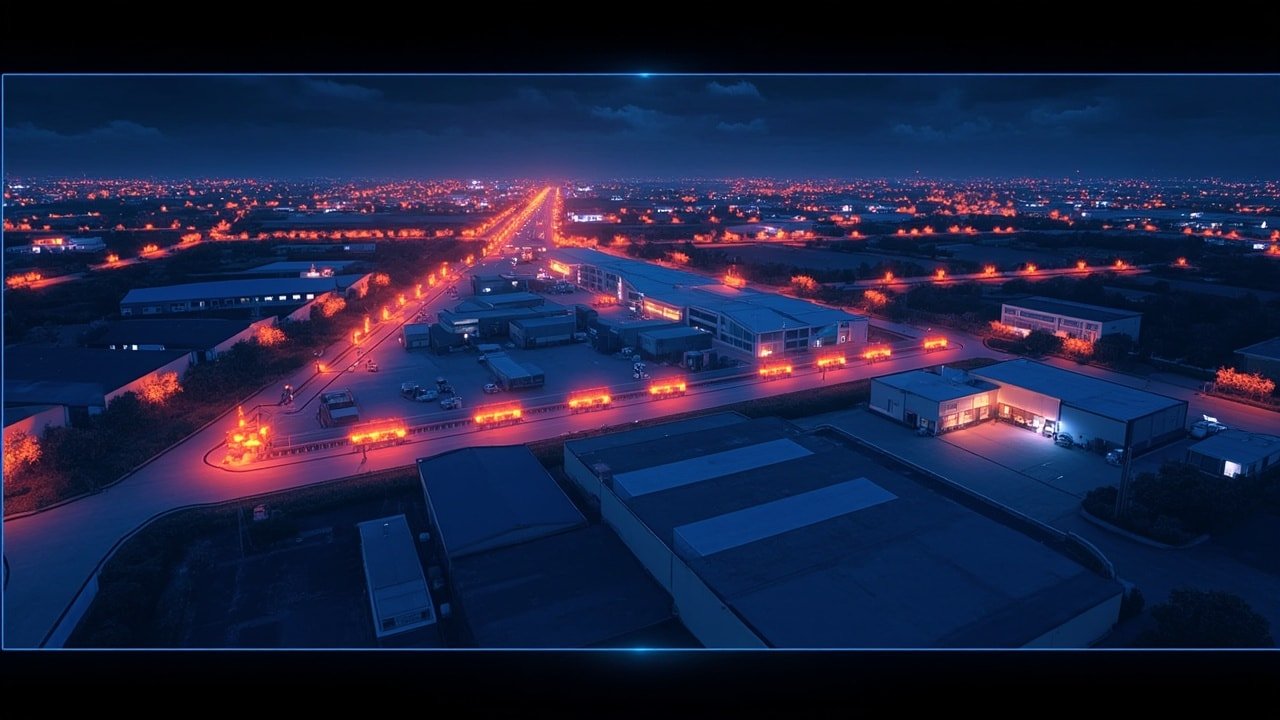
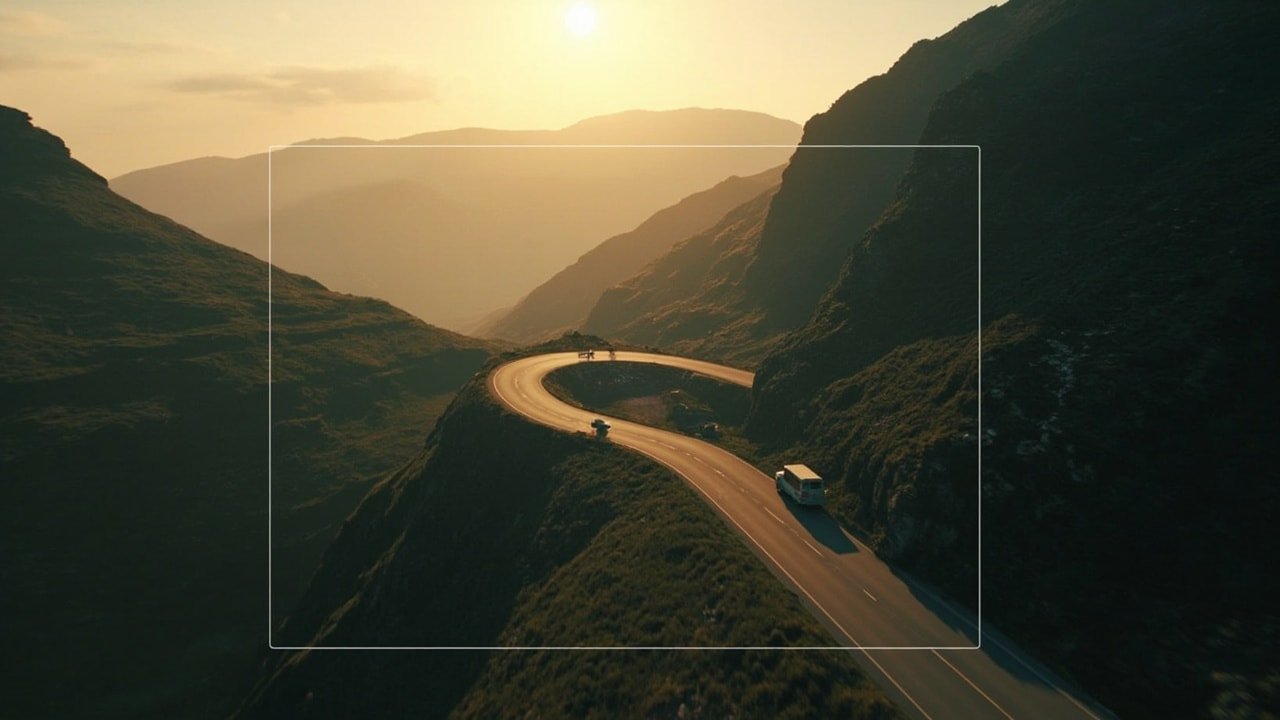
Documented application areas include urban and rural surveillance and reconnaissance, along with use by law-enforcement and emergency-response teams. The visible-light, thermal, and ranging combination can support observation in daylight, darkness, and changing environmental conditions, while stabilization helps operators maintain a controlled viewing direction.
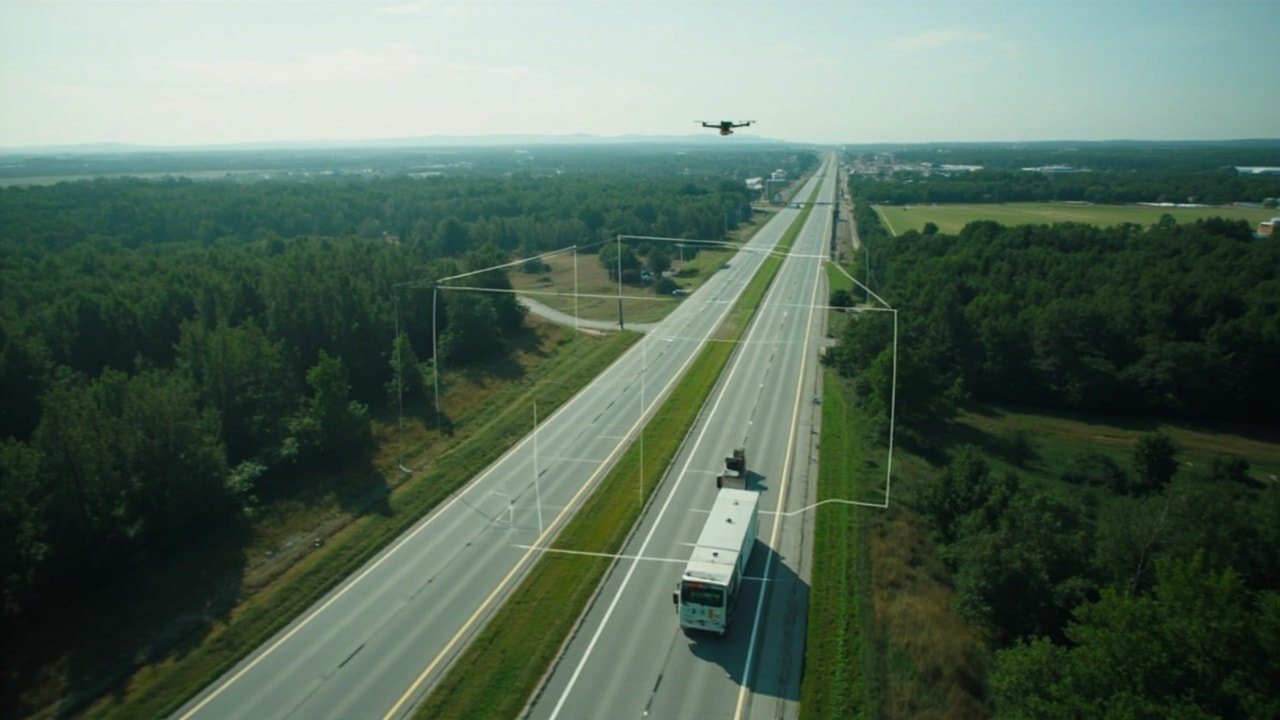
AI tracking and target recognition are listed as product capabilities, but the available data does not identify the algorithm, target classes, tracking modes, latency, or export format. Those points should be treated as items for a capability demonstration and integration review. The pod may be unsuitable for a specialized workflow if its outputs cannot be incorporated into the operator’s existing system.
- Test the visible and thermal views in representative lighting conditions.
- Verify what AI tracking and recognition outputs are actually available.
- Confirm how tracking, ranging, and imagery data enter the operator workflow.
Pre-Integration Verification Checklist
Integration planning should combine the published specifications with platform-specific checks. Power voltage, payload mass, gimbal clearance, and sensor performance are documented; mechanical dimensions, interfaces, connector pinouts, and tracking-output details are not. These missing items affect whether the pod can be installed and used as intended, so they should be resolved before committing to a deployment.
Also review environmental limits. Both operating and storage temperatures are documented as -20°C to +60°C. The product information does not state ingress-protection rating, shock resistance, vibration tolerance, electromagnetic compliance, or environmental test methods, so its suitability for rain, dust, or harsh transport conditions should not be inferred without additional documentation.
- Request mechanical drawings, connector pinouts, and supported control protocols.
- Confirm environmental, vibration, and electromagnetic requirements for the mission.
- Validate the complete visible, thermal, ranging, and tracking workflow on the target platform.
Frequently asked questions
What sensors are integrated in the DS110 Miniature Pod?
The documented sensor suite includes dual visible-light cameras, an infrared thermal imager, and a laser rangefinder. Visible imaging is specified at 1920 × 1080 and 60 fps, while thermal imaging is 640 × 512 at 60 fps. The stated laser-ranging maximum distance is at least 3 km.
How does the three-axis stabilization work?
The pod uses gyro stabilization for controlled movement across horizontal, vertical, and roll axes. Its documented range includes unlimited heading, pitch from -90° to +30°, and maximum angular velocity of at least 60°/s. Platform clearance and the platform’s own restrictions still need to be checked.
What should be checked before installing the pod?
Confirm the available 12–28 V DC supply, accommodate the documented 30 W maximum consumption, and verify that the installed assembly stays within the 510 g weight limit. Mechanical dimensions, connector pinouts, communication protocols, and control-interface details are not included in the supplied data and should be obtained.