DS80A Tactical Micro Pod for Drone Surveillance
Gimbal Pod · Product guide
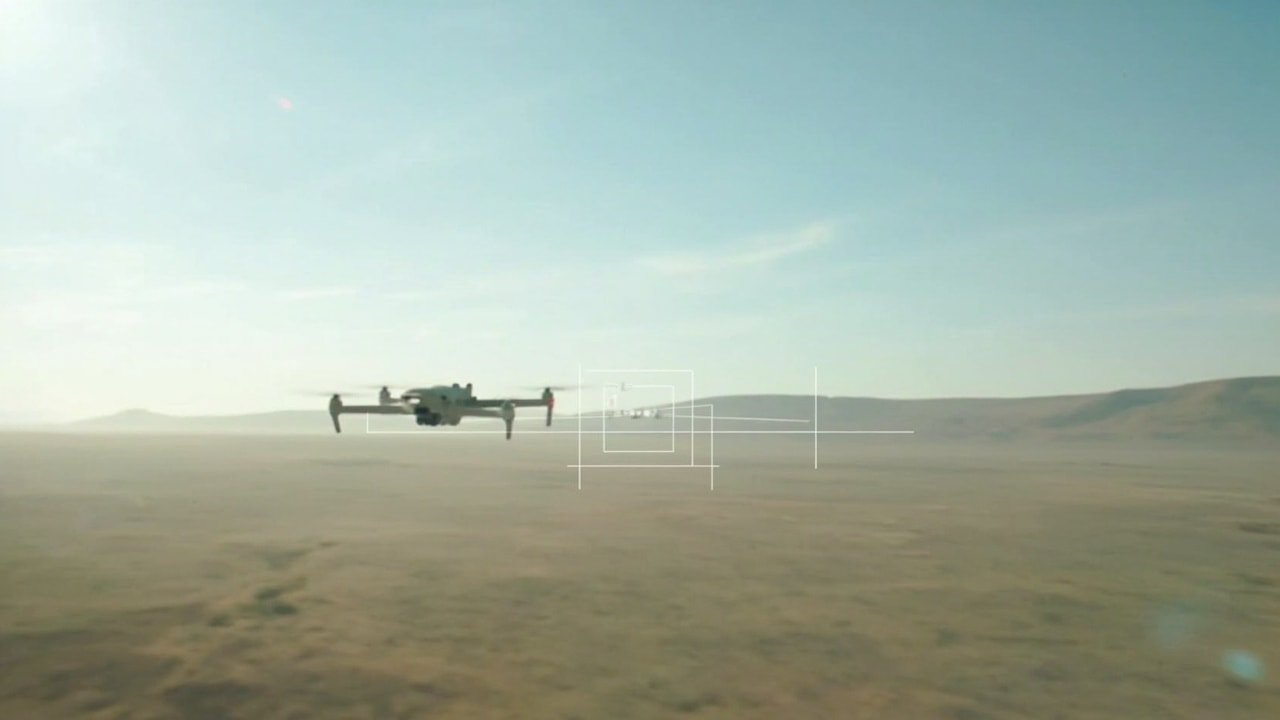
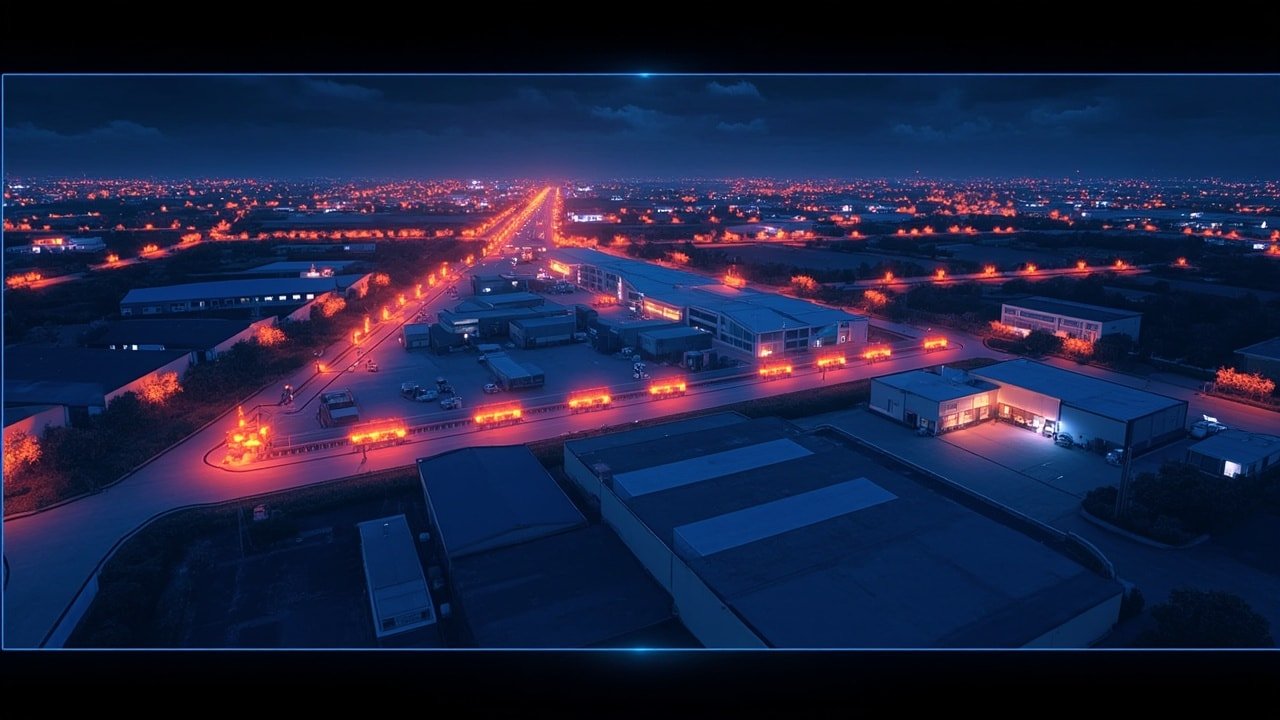
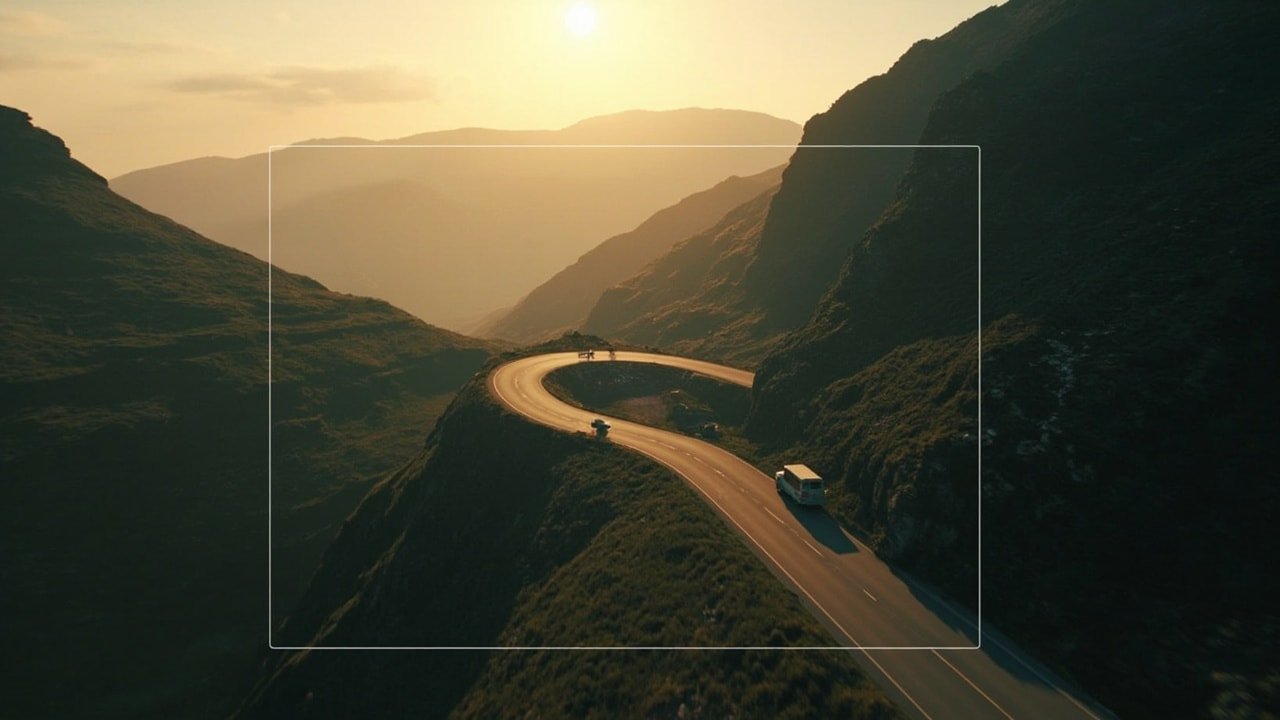
The DS80A Tactical-level Micro Pod is a compact, gyro-stabilized visible-light camera pod for drones and other unmanned platforms. It provides two documented 1080p fields of view, servo stabilization, and built-in target tracking. Integrators serving tactical surveillance, search and rescue, or urban monitoring can assess its payload weight, power demand, environmental ratings, and motion limits before selecting it.
Verified specifications
| Stabilization system | Gyro stability with servo image stabilization |
|---|---|
| Tracking function | Built-in tracking for moving targets such as vehicles and personnel |
| Pod weight | ≤240 g |
| Wide-angle visible imaging | 1920×1080 at 60 fps; 42.2° × 24.5° field of view; 7.2 mm focal length |
| Narrow-angle visible imaging | 1920×1080 at 60 fps; 12.7° × 7.1° field of view; 25 mm focal length |
| Motion envelope | Yaw -110° to +110°; pitch -100° to +40°; maximum angular velocity ≥100°/s |
| Power | 12–28 V input; average consumption ≤10 W; maximum consumption ≤20 W |
| Launch shock rating | ≥400 g |
Imaging and Stabilization
The DS80A uses a gyro-stabilized, servo-controlled architecture to keep visible-light imagery stable during platform movement. Two documented field-of-view options cover different working distances: a 42.2° × 24.5° wide view and a 12.7° × 7.1° narrow view, both specified at 1920×1080 and 60 fps.
The metallic enclosure encapsulates the electronic components and incorporates electromagnetic compatibility protection. This construction is intended to support dependable operation where the pod is exposed to vibration, launch loads, and electrically noisy platform environments.
Tracking and Operational Use
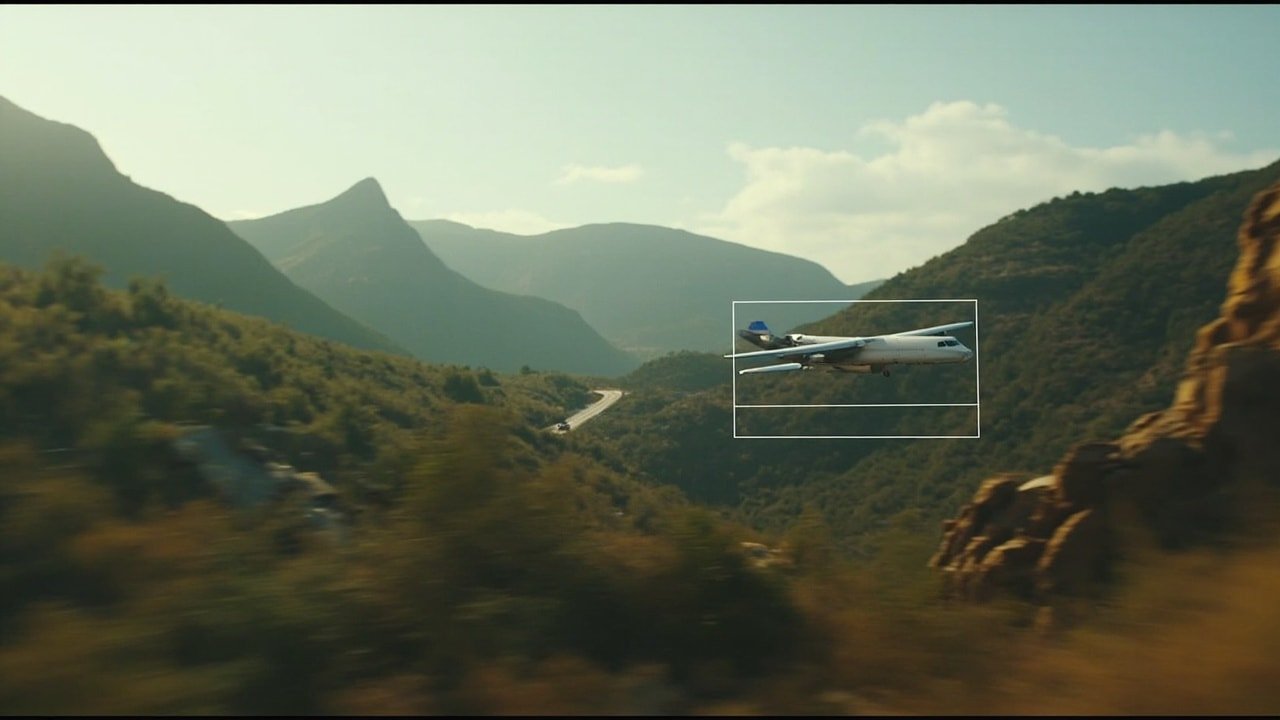
A built-in tracking function can maintain a visual lock on moving vehicles or personnel. That capability makes the pod relevant to airborne surveillance, search and rescue, and urban monitoring, where an operator may need to follow a subject rather than keep the camera pointed at a fixed location.
Its 220° total yaw range and 140° total pitch range provide room for target acquisition and repositioning. Maximum angular velocity of at least 100°/s also indicates the pod is designed to respond to relatively rapid orientation changes, although actual tracking performance depends on the complete platform and operating setup.
Choosing the Field of View
The wide configuration, with a 7.2 mm focal length, is suited to broader scene coverage and locating subjects within a larger area. The narrow configuration uses a 25 mm focal length and produces a tighter 12.7° × 7.1° field, making it more appropriate when a smaller subject area must be viewed at greater magnification.
Both configurations are specified for 1920×1080 at 60 fps. Selection therefore depends primarily on the required balance between scene awareness and subject detail, rather than resolution. Operators should confirm which documented configuration is supplied and how it is selected within the completed integration.
Integration and Selection Checks
The pod weighs no more than 240 g and accepts 12–28 V input, making power budget and payload capacity central integration checks. Average consumption is specified at no more than 10 W, with a maximum of 20 W. Operators should also allow for the platform, cabling, and other airborne loads when calculating available capacity.
The source identifies catapult-launched and other dynamic platforms as intended use cases and rates launch shock resistance at ≥400 g. Mechanical dimensions, connector types, control protocols, and video-link details are not provided, so compatibility with a particular aircraft or ground station must be verified separately before installation.
- Confirm the available payload allowance covers the pod, mount, and cabling
- Verify the platform can supply 12–28 V within the 20 W maximum
- Check launch or mounting requirements against the ≥400 g shock rating
- Obtain confirmed dimensions, connectors, control commands, and video-link details
Frequently asked questions
Does the DS80A provide one or two camera configurations?
It documents two visible-light field-of-view options. The wide configuration measures 42.2° × 24.5° with a 7.2 mm focal length, while the narrow configuration measures 12.7° × 7.1° with a 25 mm focal length. Both are specified at 1920×1080 and 60 fps.
What stabilization and tracking features are included?
The DS80A uses gyro stability with servo image stabilization to control the pod’s orientation. It also includes a built-in tracking function for moving subjects such as vehicles and personnel. The pod supports a yaw range of -110° to +110°, a pitch range of -100° to +40°, and maximum angular velocity of at least 100°/s.
Can the pod be installed directly on any drone?
Not every drone can be assumed to be compatible. The verified limits are a pod weight of ≤240 g, 12–28 V input, and a maximum consumption of 20 W. Mounting dimensions, connector types, control protocols, and video-link requirements are not specified, so aircraft-level mechanical, electrical, and communications checks are required before installation.