DS071 Compact AI Video Tracking Board for Embedded Vision
AI Intelligent Module · Product guide
This compact embedded vision module is for developers and integrators building real-time detection and tracking systems. It combines an RV1126B processor, 3TOPS NPU, flexible camera inputs, target locking, streaming, and host communication interfaces for UAV, gimbal, surveillance, or custom embedded vision systems with compact hardware integration.
Verified specifications
| Processor | RV1126B with quad-core 64-bit ARM Cortex-A53 CPU at 1.6 GHz |
|---|---|
| AI computing power | Built-in NPU, up to 3TOPS |
| Tracking | Up to 120 Hz, stated accuracy of 1 pixel or less, up to 64 tracked targets |
| Recognition | 25 Hz with a minimum 20×20-pixel target; reported 0.569 mAP@0.5 on the VisDrone2019-DET-test-dev dataset |
| Video input | Two-channel MIPI custom adaptation for visible-light or infrared input, plus one-channel USB 3.0 video input |
| Video output | PAL CVBS at 720×576 and 25 Hz; network output defaults to H.264 RTSP at 1080P and 30 Hz, with H.265 and UDP configurable |
| Host interfaces | 100M Ethernet, USB 3.0, RS422, and UART |
| Power and physical size | 12 V DC ±2 V, under 4 W, 43 mm × 38 mm including connectors, and 20.1 ± 5 g bare-board weight without a heatsink |
Imaging and Tracking Core
The RV1126B combines a quad-core 64-bit 1.6 GHz ARM Cortex-A53 CPU with a built-in 3TOPS NPU. Supported processing paths include centroid, correlation, multi-target, and intelligent tracking, as well as AI recognition, centroid search, template matching, and moving-target detection. These capabilities do not imply identical performance for every target class or scene.
Tracking is specified at up to 120 Hz with an accuracy of 1 pixel or less. The minimum target is 4×4 pixels for centroid tracking and 10×10 pixels for correlation tracking, while recognition runs at 25 Hz and requires at least 20×20 pixels. The reported 0.569 mAP@0.5 figure is based on the VisDrone2019-DET-test-dev dataset and should not be treated as an unrelated scene result.
Locking, Recognition, and Operator Feedback
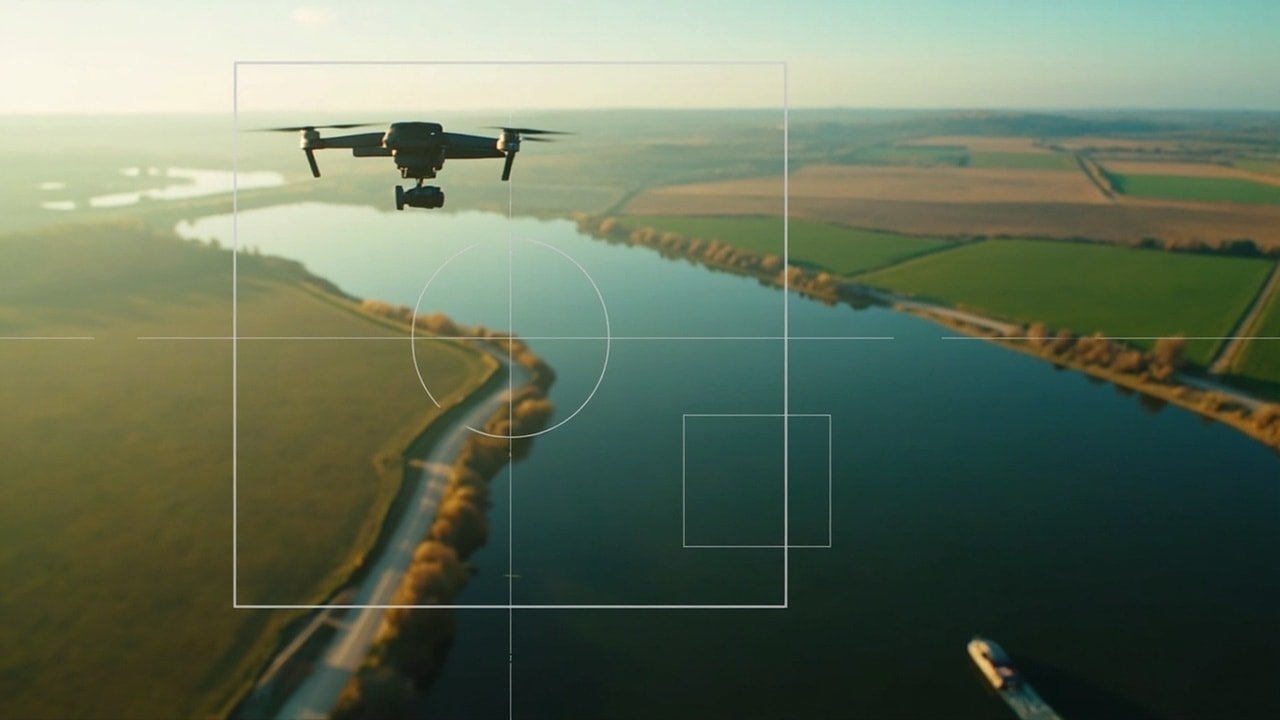
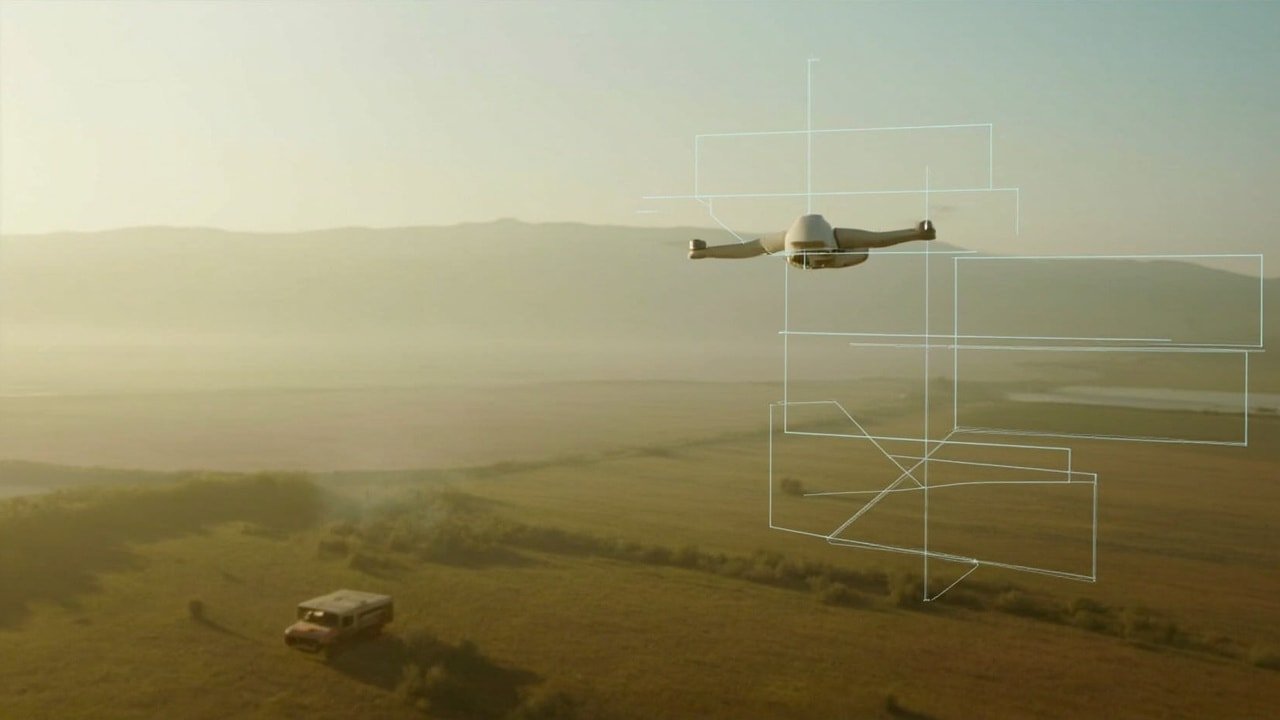
The tracking workflow supports both manual and automatic target acquisition. Documented selection methods include point selection, box selection, image-center locking, crosshair-center locking, and target-ID locking. Automatic lock-on provides a way to retain a detected target, while miss-distance output reports the target's relationship to the image center.
An on-screen display can present operational information such as the target box, crosshair, scale, compass, coordinates, yaw, pitch, tracking data, and system status. This provides useful feedback for a gimbal or ground operator, while the available overlay fields help integrate the board with a larger control and monitoring interface.
Interfaces, Streaming, and Host Integration
Documented integration paths include two-channel MIPI custom adaptation, USB 3.0 video input, PAL CVBS output, network video, RS422, UART, and 100M Ethernet. Network output defaults to H.264 over RTSP at 1080P and 30 Hz, while H.265 encoding, UDP delivery, bitrate, and I-frame interval can be configured. The default RTSP path is rtsp://IP:8554/live/stream.
The standard product form is described as running complete application software. An optional development-board version adds Ubuntu, SSH login, SDK resources, API documentation, and demo programs. Before connecting a camera or host, verify the following details against the intended system:
- Match the camera to the documented 1080P, 120 Hz global-shutter monochrome profile
- Confirm the electrical and adapter requirements of the custom MIPI connection
- Plan network addressing, RTSP reception, and serial-control integration
- Choose the standard application or optional development-board version
- Confirm lens, field-of-view, exposure, and power requirements for the installation
Applications and Selection Tradeoffs
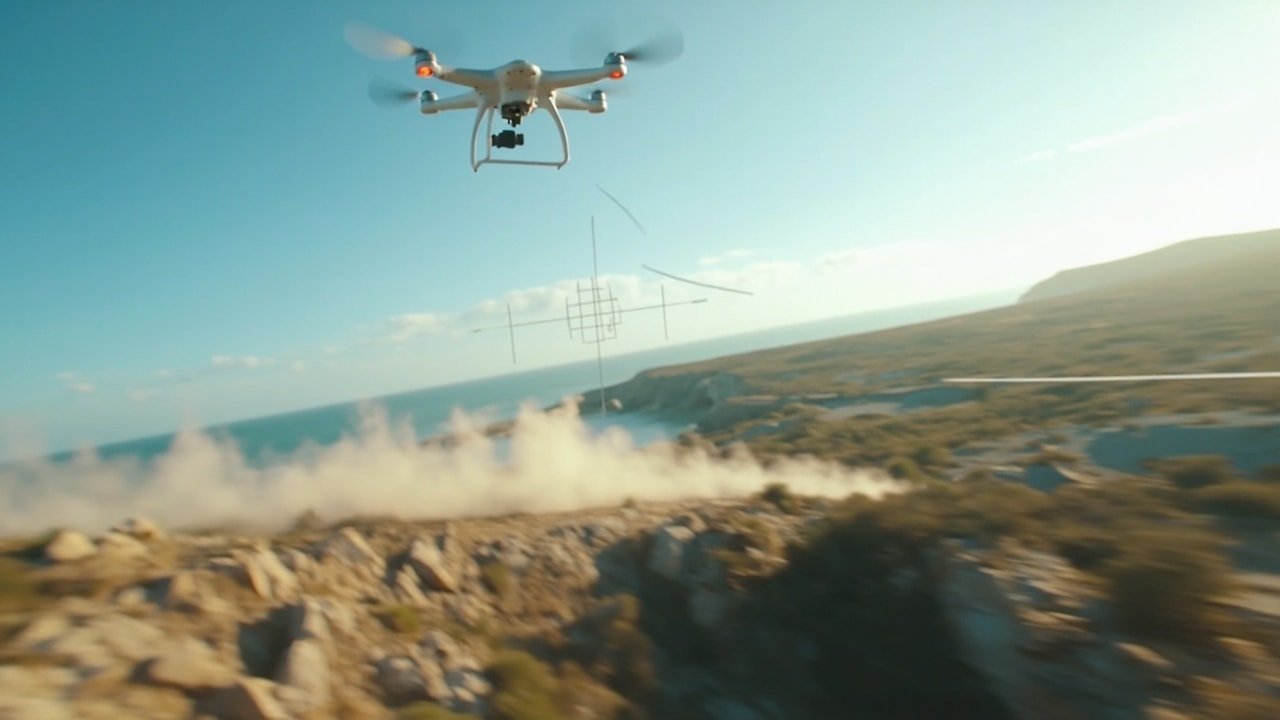
Supported civilian uses include UAV target tracking, intelligent EO/IR gimbal payloads, aircraft and drone tracking, vehicle and boat monitoring, perimeter surveillance, and embedded vision development. The listed target classes include people, vehicles, boats, aircraft, and drones. Fixed or mobile installations can use automatic search, lock-on, OSD feedback, and continuous tracking, while the development version is intended for SDK-based integration.
Selection should account for both software and hardware. The board measures 43 mm by 38 mm including connectors, weighs 20.1 ± 5 g without a heatsink, consumes under 4 W, and operates from 12 V DC ±2 V. Its stated temperature range is −20°C to +60°C. The 300–500 m operating-distance reference applies to a 1 m target with the default lens and should be treated as a planning reference, not a guaranteed detection range.
Frequently asked questions
Is a camera included with the DS071?
The product information specifies a 1080P, 120 Hz global-shutter monochrome camera with auto exposure and a 3.6 mm M12 lens as the compatible camera profile. It does not clearly state whether a camera is included, so confirm the exact package contents before ordering.
What does the optional development-board version add?
The standard board is described as running complete application software. The optional development-board version adds Ubuntu, SSH login, SDK resources, API documentation, and demo programs, making it the more relevant choice for custom integration and algorithm development.
Which video encoding and streaming formats are supported?
The board supports H.264 and H.265 compression, with RTSP, UDP, and RTMP output listed. The default network path is H.264 over RTSP at 1080P and 30 Hz; H.265, UDP, bitrate, and I-frame interval are configurable.
Does the stated 300–500 m operating distance guarantee detection?
No. The 300–500 m operating distance is a reference for a 1 m target using the default lens. Actual performance depends on the camera, scene, target size and contrast, optics, and system integration, so it should be treated as a planning reference rather than a guarantee.