DS10Pro Micro UAV Gimbal with 30x Hybrid Zoom and Tracking
Gimbal Pod · Product guide
The DS10Pro is a compact three-axis visible-light gimbal pod for small UAVs and ground robots, combining an FHD camera with 30x hybrid zoom and vehicle and human tracking. At 340 g or less with a quick-disassembly mount, it suits operators who need stabilized electro-optical imagery, zoomable identification and assisted tracking from a small platform.
Verified specifications
| Payload weight | 340 g or less |
|---|---|
| EO resolution and frame rate | 1920 x 1080 at 60 fps |
| Zoom | 30x hybrid zoom, 4.7 mm to 47 mm focal length |
| Field of view | 61.3° x 36.9° wide to 6.8° x 3.9° tele |
| Stabilization accuracy | 0.1 mrad (1°/2 Hz, 1 sigma) |
| Gimbal axes | Yaw n x 360°, pitch -100° to +100°, roll ±45°; max angular velocity ≥100°/s |
| Power input and consumption | 12–28 V DC; average ≤10 W, maximum ≤20 W |
| Video and control interfaces | Ethernet output with H264/H265 encoding and MP4 storage; RS232/network control |
Camera, Zoom and Field of View
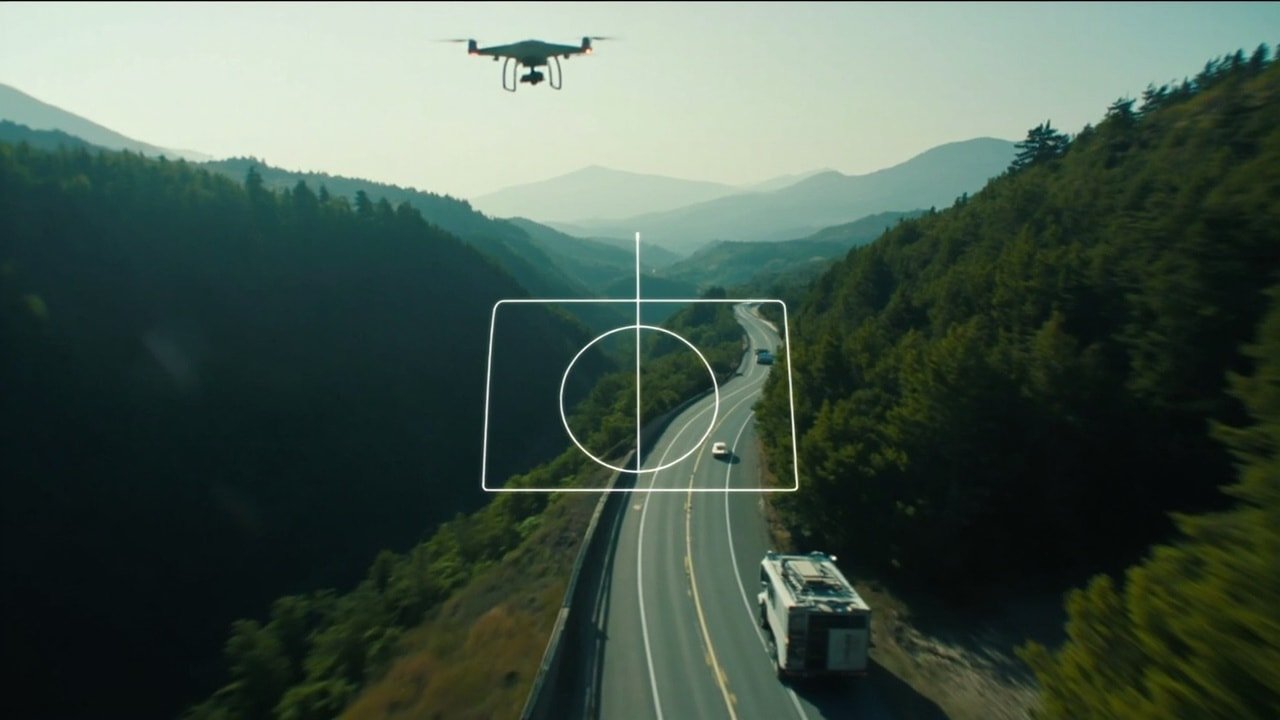
The electro-optical camera outputs 1920 x 1080 at 60 fps, giving smooth motion capture for surveillance and inspection work. Focal length runs from 4.7 mm to 47 mm, and the zoom function combines optical and digital stages for 30x hybrid magnification, so a wide scene can be narrowed onto a subject without a lens change.
Field of view shifts from 61.3 x 36.9 degrees at the wide end down to 6.8 x 3.9 degrees at the tele end. The narrow tele angle is what supports identification of distant vehicles and people, while the wide angle keeps surrounding terrain and activity in frame for situational context.
Stabilization and Gimbal Mechanics
Stabilization accuracy is specified at 0.1 mrad (1 degree/2 Hz, 1 sigma) and angular position accuracy at 0.3 degrees or better. This is the figure that matters when the host aircraft or vehicle is moving, because it describes how closely the camera can hold a commanded pointing direction against platform vibration and disturbance.
Mechanical travel is generous for a pod of this size. Yaw supports n x 360-degree positions, pitch spans -100 to +100 degrees and roll covers plus or minus 45 degrees. Maximum angular velocity is at least 100 degrees per second and tracking speed at least 40 degrees per second, allowing quick transitions between subjects.
Tracking, OSD and Video Output
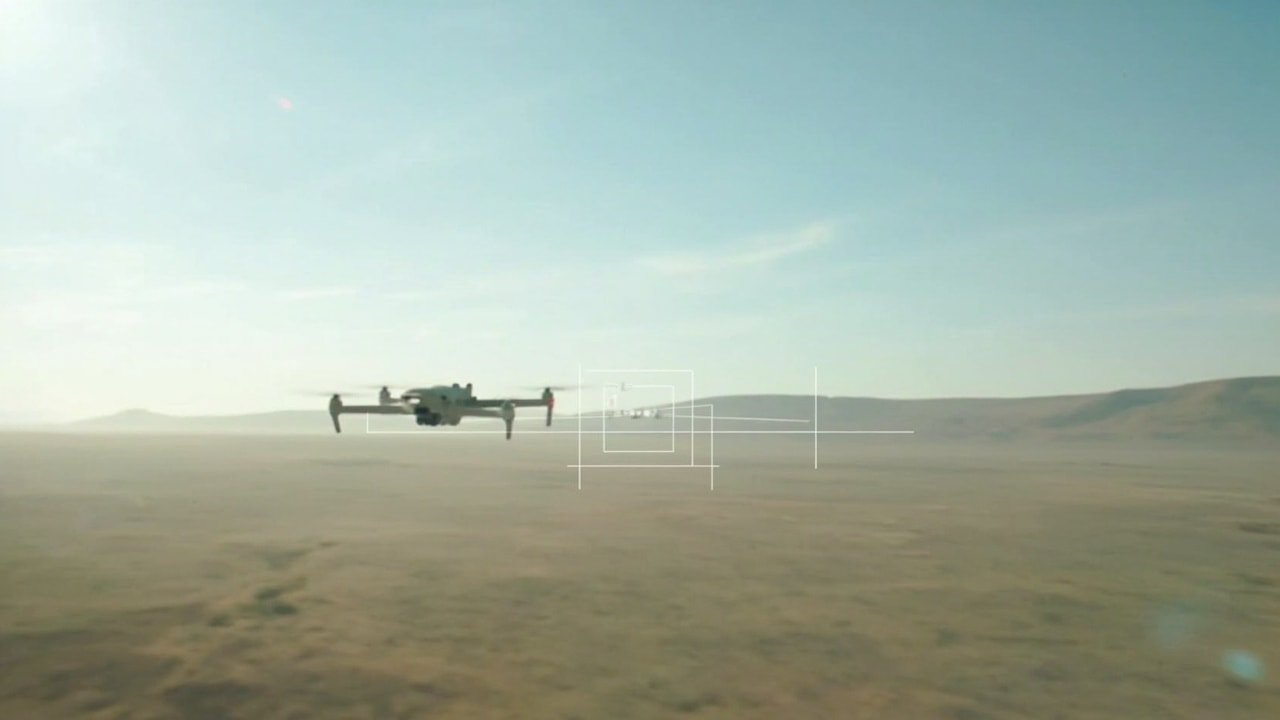
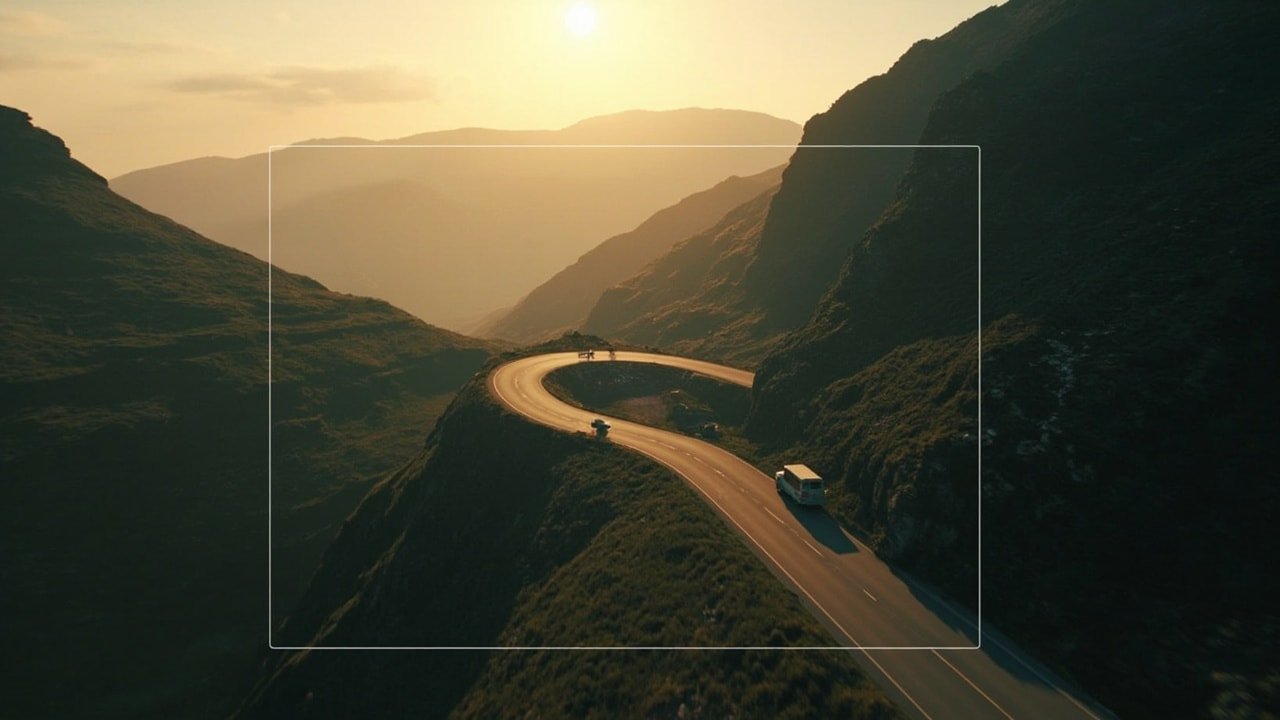
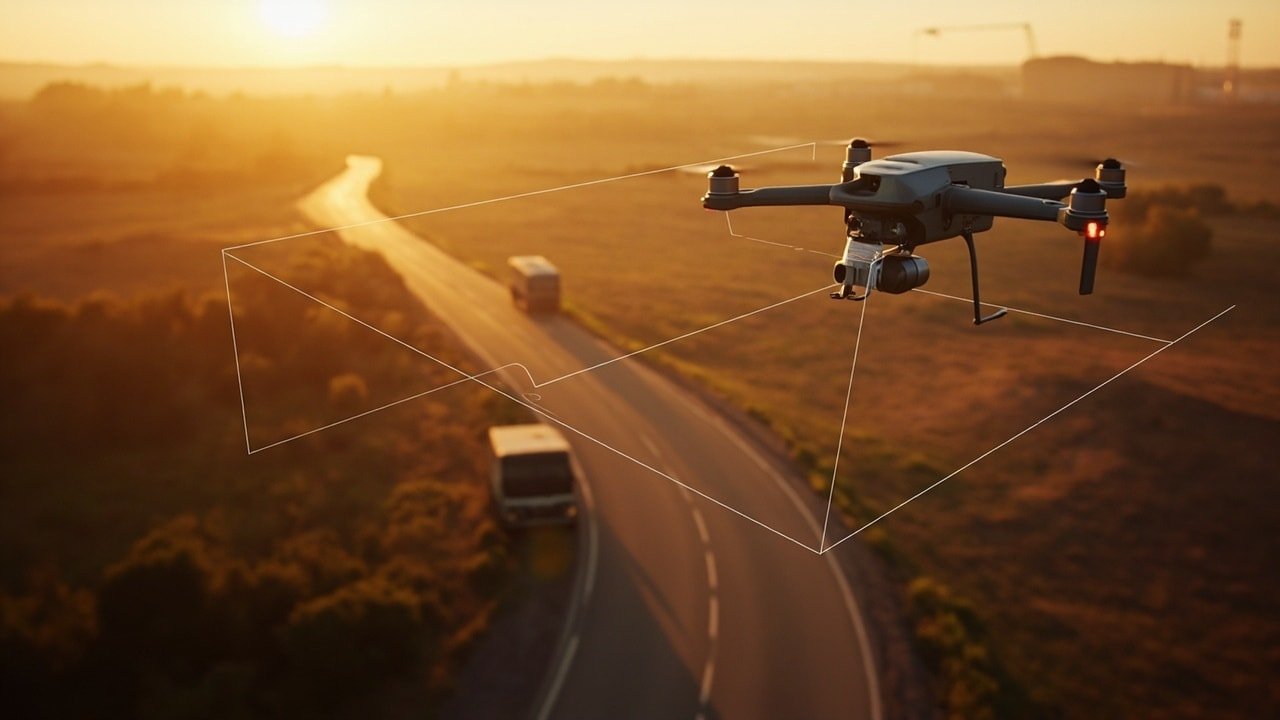
Object tracking covers automatic recognition of cars and humans once a tracking mode is selected, which makes the pod practical for patrol and monitoring tasks where the camera should stay on a subject with less continuous manual input. The on-screen display adds picture-in-picture alongside camera, target and robot information for the operator.
Video leaves the pod over Ethernet with H264 or H265 encoding and is stored in MP4 format. Control commands are accepted through RS232 or the network, so the same unit can be flown with direct serial wiring or integrated into a networked ground station, on-board computer or robotic platform.
Payload Fit and Power Budget
Weighing 340 g or less, the DS10Pro suits compact multirotor payloads, and its quick-disassembly structure means it can be removed between flights rather than permanently fixed to the frame. Mounting uses four M2.5 holes within a stated envelope of about 99.7 mm by 87.1 mm and up to 119.6 mm tall, with an R40 radius.
Power is 12–28 V DC, averaging 10 W or less and peaking at 20 W. That input range matches typical airframe DC buses, but the 20 W ceiling is the figure to check against your endurance margin, particularly when the pod shares the bus with other high-draw equipment. The specification does not name specific airframes, autopilots or ground stations, so platform integration should be confirmed separately.
- Confirm a 12–28 V DC source and keep peak draw within the 20 W maximum
- Include the pod, mount and cabling in your payload weight allowance
- Match Ethernet video plus RS232 or network control to your ground station
- Verify clearance around the R40 radius and the four M2.5 mounting points
Civilian Deployment Scenarios
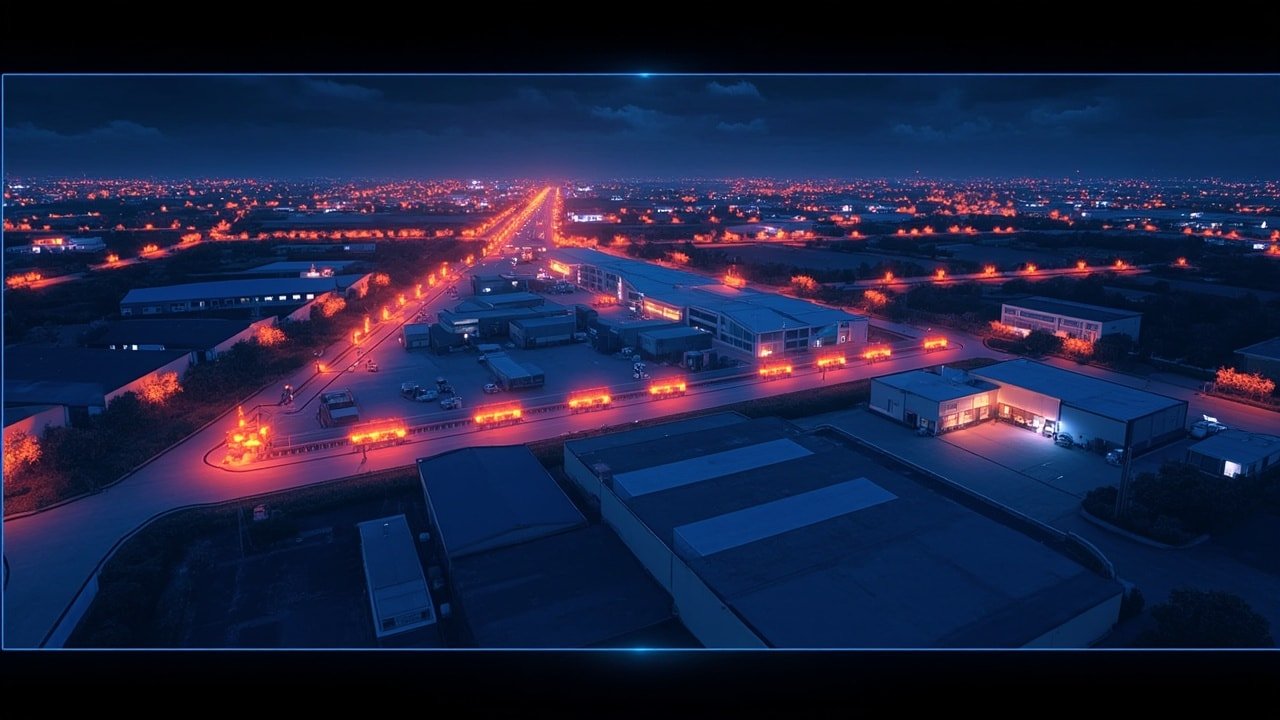
Common deployments include public security patrol, law enforcement inspection and evidence collection, forest fire monitoring of smoke and terrain, and environmental field surveys. All of these share a requirement for zoomable, stabilized visible-light observation from a mobile platform rather than a fixed installation.
For UAV and robotic payloads, the pairing of quick-disassembly mounting with continuous yaw lets the pod cover a full heading sweep on airframes with limited clearance. Operators should weigh the sub-340 g weight class and the 60 fps 1080p format against mission duration and their recording workflow before committing.
Frequently asked questions
Does the DS10Pro track vehicles and people automatically?
Yes. The pod supports automatic recognition and tracking of cars and humans after a tracking mode is selected. Tracking speed is specified at 40 degrees per second or higher, and the on-screen display reports target information together with camera and robot status for the operator.
What power and mounting should I plan for?
It runs on 12–28 V DC, averaging 10 W or less and peaking at 20 W. Installation uses four M2.5 mounting holes on a compact envelope of roughly 99.7 mm by 87.1 mm, with an R40 radius, so check clearance and cable routing on your airframe.
How does the 30x hybrid zoom work?
The camera combines optical and digital zoom to reach 30x magnification, with focal length from 4.7 mm to 47 mm. Field of view ranges from 61.3 x 36.9 degrees at wide to 6.8 x 3.9 degrees at the tele end, supporting close identification of distant subjects.
Can the pod record video and accept remote commands?
Video is output over Ethernet using H264 or H265 encoding, and the storage format is MP4. Control commands are accepted over RS232 or the network, allowing integration with a ground station, an on-board computer or a robotic platform.