
DS30BPRO Dual-Light Micro Pod: Zoom, Tracking and Ranging
Gimbal Pod · Product guide
The DS30BPRO is a gyro-stabilized dual-light micro pod for unmanned platforms, combining 1920×1080 visible imaging at 60 fps with laser distance measurement to 3 km. At no more than 410 g, it suits operators who need long-range observation, target tracking and ranging from a single lightweight payload.
Verified specifications
| System type | Gyro-stabilized three-axis gimbal pod |
|---|---|
| Weight | 410 g maximum |
| Visible imaging | 1920×1080 at 60 fps |
| Optical field of view | 61.3° × 36.9° wide to 6.8° × 3.9° narrow |
| Laser distance measuring | 3 km, ±1 m accuracy |
| Pan-tilt range | Heading n × 360° continuous; pitch -100° to +100°; roll -45° to +45° |
| Maximum angular velocity | 100°/s or greater |
| Power supply and consumption | 12–28 V DC; average 10 W or less, maximum 20 W |
| Operating temperature | -20°C to +50°C |
Zoom, Optics and Visible Imaging
The visible sensor records 1920×1080 at 60 fps, giving operators a frame rate that suits following movement instead of stepped, stuttering clips. The optical field of view spans 61.3° × 36.9° at the wide end down to 6.8° × 3.9° at the narrow end, so one pod can cover a broad scene or isolate a distant subject.
The 30x hybrid zoom combines optical and digital magnification. Practically, the wide end serves situational awareness while the narrow end is for identification, and because the narrow view keeps very little surrounding context in frame, framing decisions become part of tracking performance.

Stabilization, Rotation and Tracking
Heading rotates continuously through n × 360°, pitch covers -100° to +100° and roll -45° to +45°. A maximum angular velocity of 100°/s or more lets the pod swing between points of interest without long settling delays, while the three-axis gyro-stabilized platform counteracts airframe jitter so the image stays steady during flight.
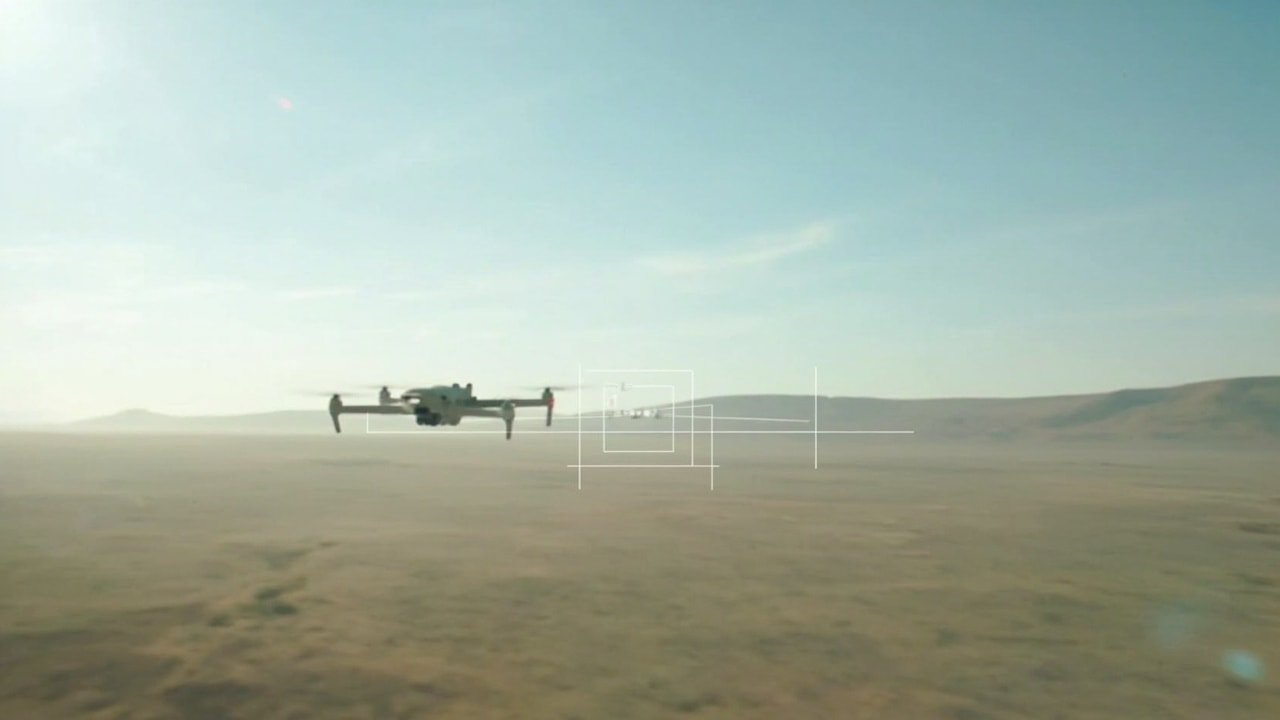
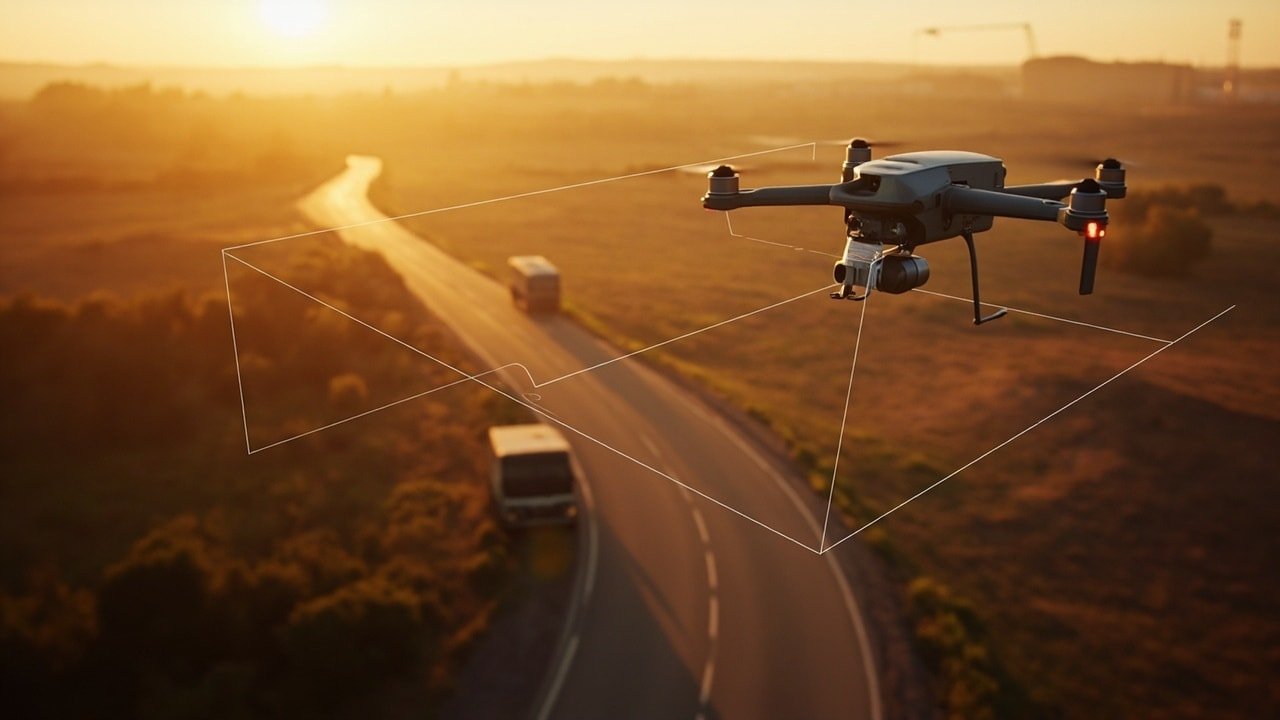
AI tracking and recognition identify and follow targets such as people and vehicles, keeping them near frame centre through automatic pan-tilt corrections. This is a recognition-and-motion capability rather than a promise of detection in every condition, so lighting, contrast and target size still influence how well a subject is held.
What the Laser Ranging Adds
The laser rangefinder measures to 3 km with ±1 m accuracy and reports distance with real-time feedback. That output complements the visible image: an operator can confirm how far a subject sits, log distances to landmarks, or establish scale between objects instead of judging range from screen cues alone.
Imaging and ranging share one compact housing, which matters where a separate sensor would add mass, cabling and power draw. The stated accuracy figures describe the ranging channel itself and should not be read as verified obstacle-detection or collision-avoidance performance.
Civilian Mission Applications
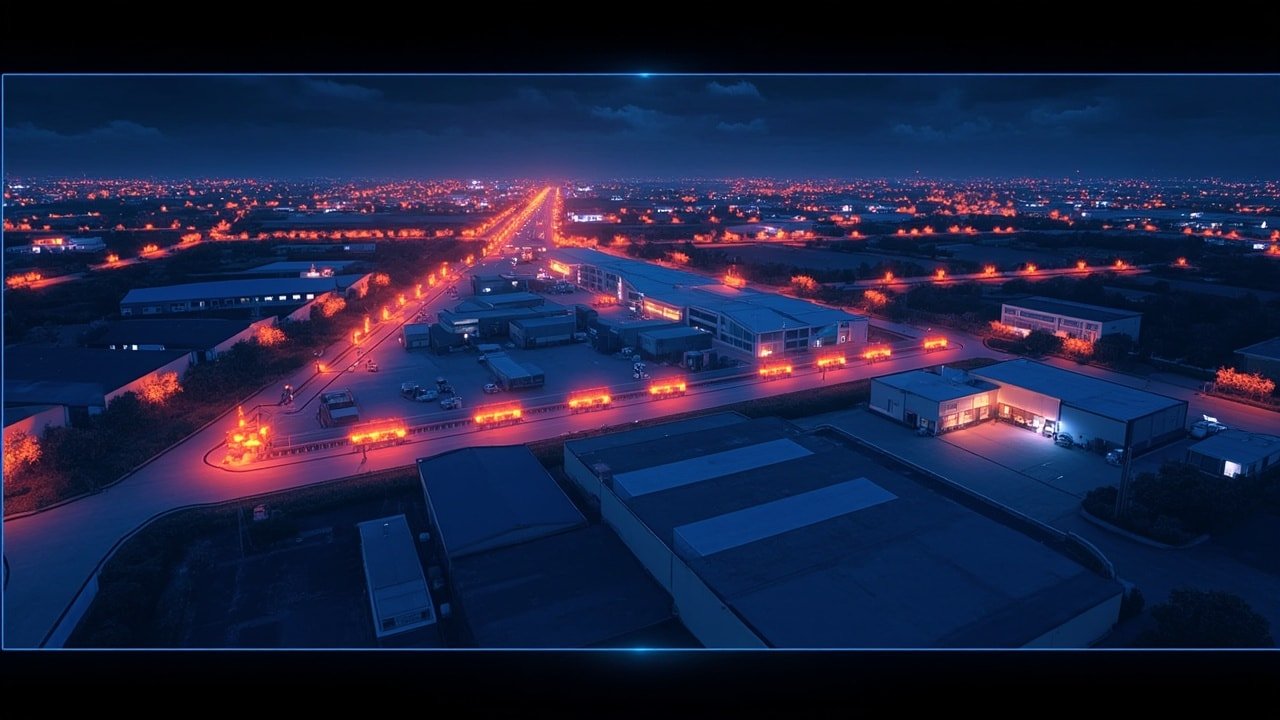
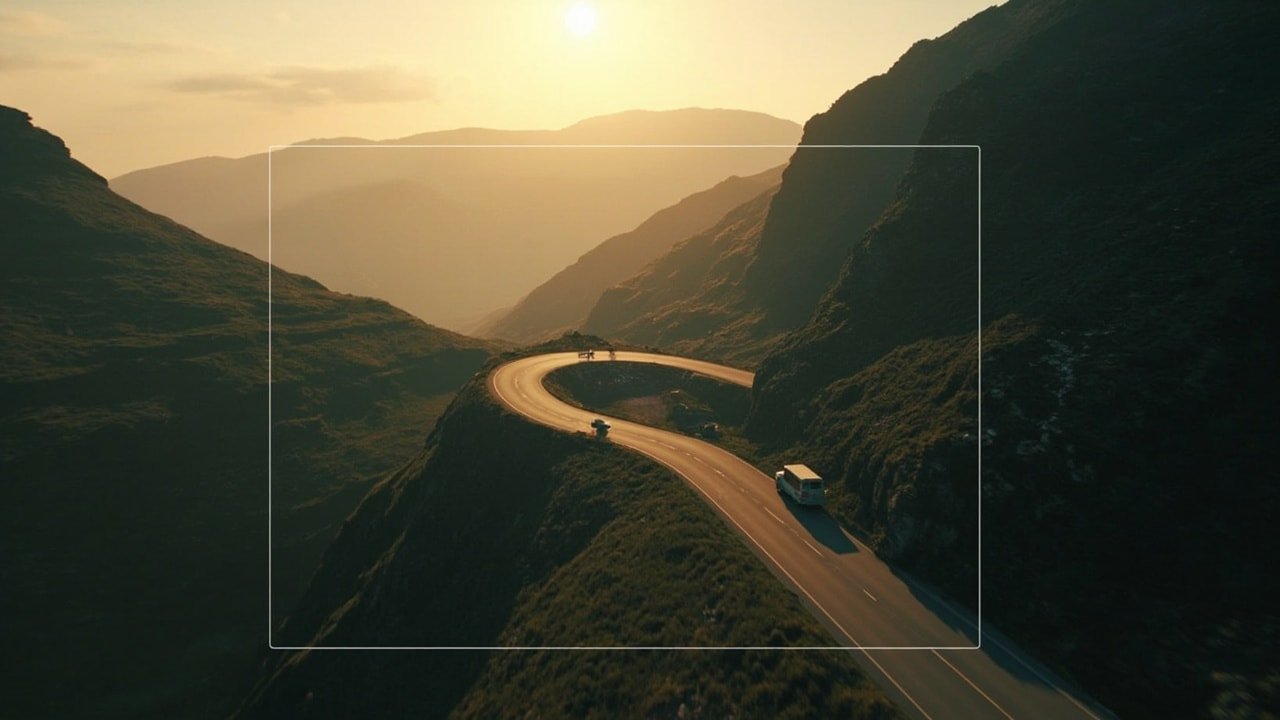
For surveillance and security work, the pod supports monitoring of large areas, tracking of people and vehicles, and capture of stable daytime evidence. Traffic monitoring is a natural fit because continuous heading rotation and zoom let an operator follow individual vehicles across an intersection or along a road segment.
Search and rescue crews can use the visible image for direct observation while the rangefinder supplies distance to a feature, structure or person. The stated -20°C to +50°C operating range covers most temperate deployments, though local environmental conditions should still be checked against the datasheet limits.
Integration Checks Before Installation
The pod accepts 12–28 V DC and draws 10 W or less on average, with a 20 W maximum. Confirm your aircraft or vehicle can supply that voltage range, and budget for the higher figure during fast rotations when the stabilizer, camera and rangefinder are all working.
At 410 g or less, the unit keeps payload mass manageable for many multirotor platforms. Still verify the mount's payload rating, the centre-of-gravity shift once fitted, and the available hardpoint and connector layout on the specific airframe before committing to it.
- Confirm a 12–28 V DC source and headroom for 20 W peak draw
- Check mount payload rating and centre-of-gravity limits
- Verify the control and video link works with your ground station
- Match the -20°C to +50°C operating range to deployment sites
Frequently asked questions
What does the DS30BPRO combine in one payload?
It pairs a 1920×1080 60 fps visible camera with 30x hybrid zoom, a 3 km laser rangefinder rated at ±1 m, AI tracking and recognition, and a gyro-stabilized three-axis gimbal, so imaging and distance measurement come from a single 410 g unit.
How much does the pod weigh and what power does it need?
The stated weight is 410 g or less. It runs on 12–28 V DC, averaging 10 W or less and reaching a 20 W maximum, so size the power budget around the peak figure during active rotation and ranging rather than the average.
Can it rotate fully around to follow a moving target?
Heading supports continuous n × 360° rotation, pitch spans -100° to +100° and roll -45° to +45°. Angular velocity of 100°/s or more helps the pod reacquire a subject quickly, with tracking holding it close to frame centre.
What is the laser rangefinder actually useful for?
It measures distance to 3 km with ±1 m accuracy and provides real-time feedback, useful for confirming how far a vehicle or person is, recording distances during search and rescue, or supplying range information to autonomous vehicle and navigation work.