DX5A Multi-Band EO/IR Gimbal Payload for UAV Operations
Gimbal Pod · Product guide
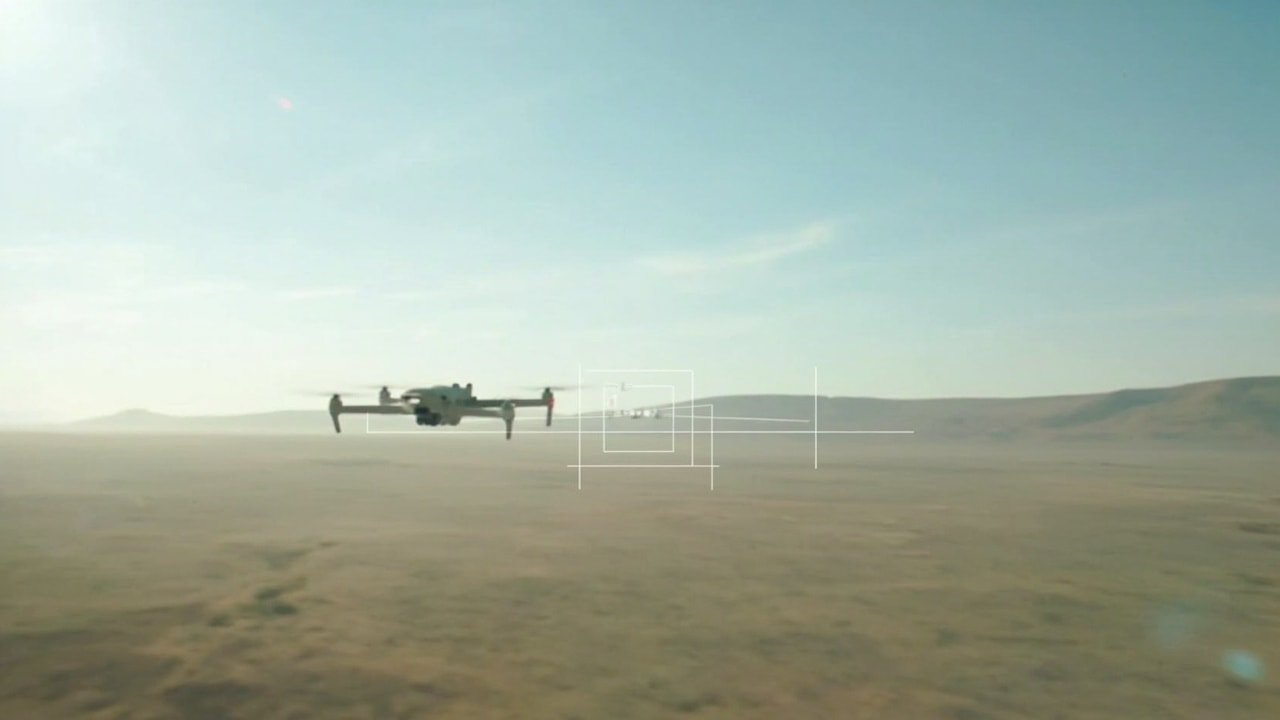
The DX5A is an 850 g UAV gimbal payload combining three visible-light channels with two infrared thermal modules. It is designed for operators who need stabilized EO/IR observation, zoom-based search, target recognition and tracking across public safety, environmental monitoring and forest-fire workflows.
Verified specifications
| Payload weight | 850 g |
|---|---|
| EO resolution and frame rate | 3840 × 2160 at 30 fps |
| EO zoom | 40x optical zoom and 120x hybrid zoom |
| Thermal resolution and frame rate | 640 × 512 at 30 fps |
| EO wide field of view | 100° × 68° |
| Stability accuracy | 0.1 mrad at 1°/2 Hz, 1 sigma |
| Control and video interfaces | RS-232 serial control using TTL; Ethernet video output |
| Power requirements | 12–24 V DC input; average consumption no more than 15 W |
Multi-Band Imaging Configuration
The DX5A integrates five imaging channels in one gimbal payload: three visible-light channels and two infrared thermal modules. The EO channel records 3840 × 2160 imagery at 30 fps, while the thermal imaging resolution is 640 × 512 at 30 fps. This combination gives an operator both conventional optical observation and a thermal view of the same area.
For visible-light work, the payload provides a 100° × 68° wide field of view and a narrower 2.5° × 1.4° tele field of view. The thermal system offers wide and narrow options measuring 33° × 26.6° and 8.5° × 6.8°. Picture-in-picture and OSD functions can help compare channels and retain relevant flight information within the displayed image.
Zoom, Tracking and Stabilization
A 40x optical zoom supports detailed examination without relying entirely on digital enlargement, while 120x hybrid zoom provides an additional way to isolate distant subjects during search. Target recognition and target tracking are documented payload functions, allowing operators to work with stabilized imagery as the gimbal changes orientation.
The three-axis platform has an angular-position accuracy of up to 0.3° and a specified stability accuracy of 0.1 mrad under the stated test condition. Its maximum angular velocity is at least 60° per second. These figures describe the gimbal’s stated motion characteristics, rather than guaranteeing the same result in every aircraft, flight profile or environmental condition.
Civilian Mission Applications
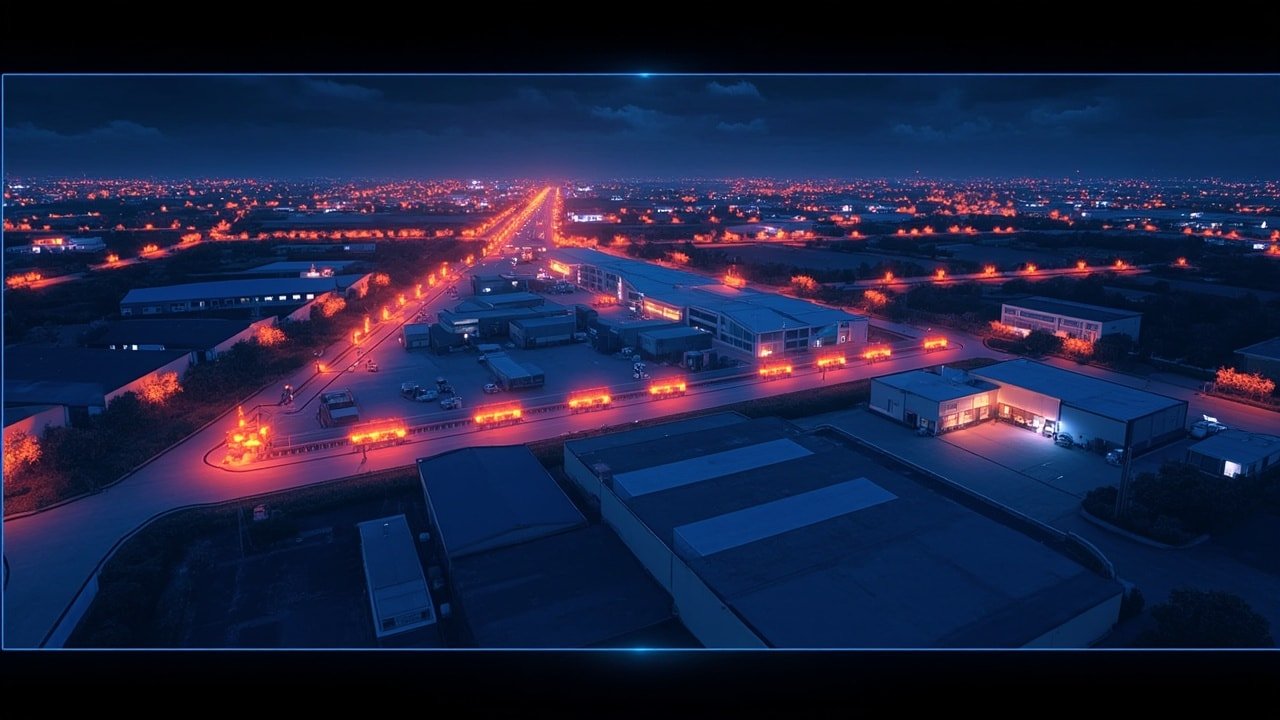
The DX5A is suited to aerial surveillance, public-safety patrol, environmental inspection and forest-fire monitoring. Combining visible-light channels with infrared imagery supports observation across different scene conditions, while stabilized zoom imaging can assist with wide-area search and medium-to-long-range recognition.
Operators can select thermal display palettes for different monitoring situations and use the integrated channels for public security, law-enforcement support and environmental projects. These are documented application areas, not claims of specialized certification. Mission planning should still account for daylight, weather, stand-off distance, legal authority and the need for an operator able to interpret EO and thermal imagery.
- Public-safety patrol and observation
- Forest-fire monitoring workflows
- Environmental inspection and monitoring
- Wide-area search and target observation

Integration and Selection Checks
Integration begins with the payload’s physical and electrical requirements. The DX5A weighs 850 g, accepts 12–24 V DC power and has average consumption of no more than 15 W. Its control connection uses an RS-232 serial port with TTL signaling, and video is delivered through Ethernet, so the aircraft and ground-control system need suitable interfaces and signal support.
The continuous yaw axis and defined pitch and roll ranges shape how the payload can be operated. Because aircraft integration details are not supplied, buyers should verify mounting provisions, center of gravity, flight clearance, power capacity, cooling and control compatibility with the intended UAV. The operating-temperature range of -20°C to +55°C is another useful requirement check.
- Confirm the aircraft can accommodate the 850 g payload
- Validate 12–24 V DC supply and available power margin
- Check TTL RS-232 control and Ethernet video integration
- Review mounting, clearance and thermal-management needs
Frequently asked questions
What imaging channels are integrated into the DX5A?
The payload combines three visible-light channels with two infrared thermal modules. Its primary EO output is 3840 × 2160 at 30 fps, while the thermal imaging is specified at 640 × 512 at 30 fps, with both wide and narrow thermal fields of view.
How much does the DX5A weigh and what power does it need?
The DX5A weighs 850 g. It accepts 12–24 V DC input and has an average power consumption of no more than 15 W. Operators should still verify the aircraft’s available payload capacity, electrical connection and power margin during integration.
Which interfaces are used for control and video?
Control is provided through an RS-232 serial port using TTL signaling, and video output uses Ethernet. These interfaces should be checked against the selected UAV and ground-control system, including connector arrangement, signal levels and the required control commands.
Can the DX5A assist with thermal target tracking?
Target recognition and target tracking are documented features of the integrated payload, alongside dual thermal imaging and a stabilized three-axis platform. The appropriate operating range and tracking outcome still depend on the scene, sensor view, subject conditions and flight configuration.