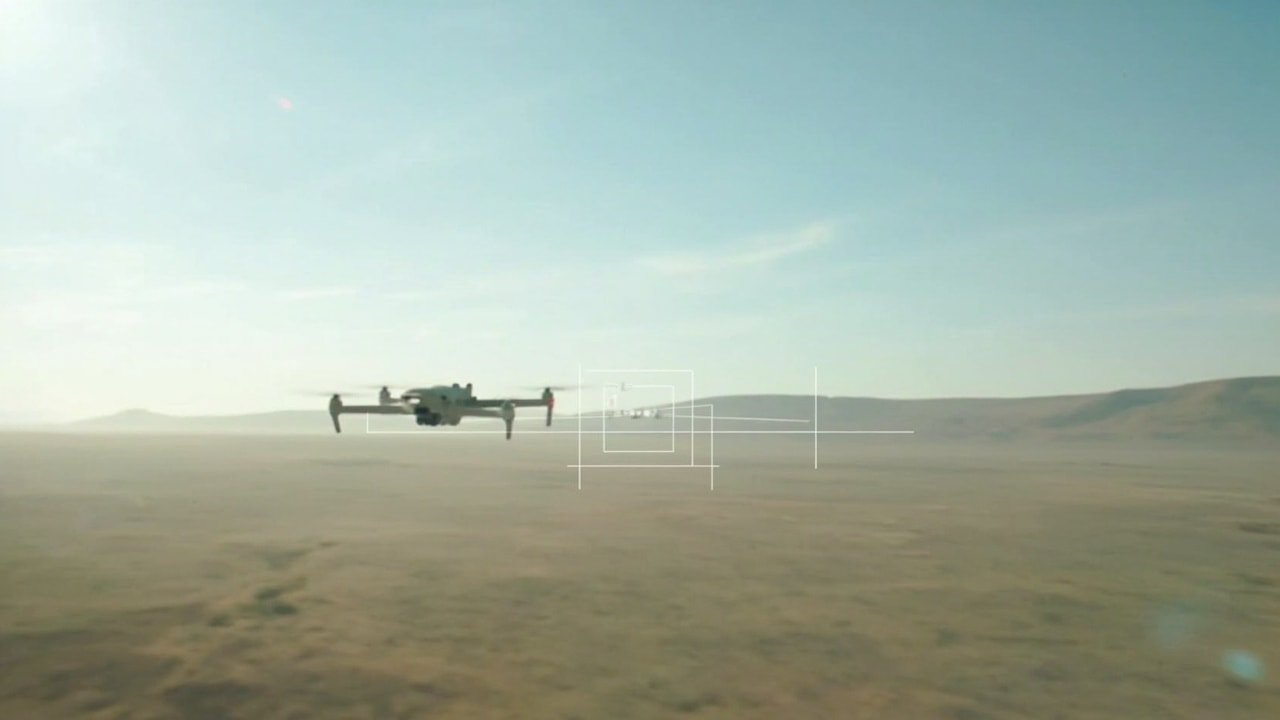
DA60N Mini Infrared UAV Pod for Thermal Tracking
Gimbal Pod · Product guide
The DA60N is a compact infrared UAV pod for small unmanned aircraft that need thermal observation and assisted target tracking. Its 640×512 sensor, 19 mm lens, stabilized gimbal, and recognition functions support night surveillance, public security, inspection, and airborne monitoring. At approximately 200 g, it is intended for platforms where payload weight, electrical demand, and control integration are important design considerations.
Verified specifications
| Payload weight | Approximately 200 g |
|---|---|
| Infrared resolution | 640 × 512 |
| Infrared frame rate | 50 fps |
| Infrared lens and field of view | 19 mm lens; 22.9° × 18.4° field of view |
| Gimbal movement | Yaw: -45° to +45°; pitch: -75° to +45° |
| Stabilization | 0.1 mrad stabilization accuracy; angular position accuracy ≤0.3° |
| Power supply and consumption | 12–28 V DC; average consumption ≤6 W; maximum consumption ≤15 W |
| Interfaces and protocols | Ethernet video output; TTL, RS232, and S.BUS control; TCP/UDP network protocols |
Thermal Imaging and Stabilization
The DA60N pairs a 640×512 infrared sensor with a 50 fps frame rate for thermal observation in daylight and low-light conditions. Its 19 mm lens provides a documented 22.9° × 18.4° field of view, giving operators a defined area of coverage without relying on an unspecified zoom or range claim. Digital zoom and picture-in-picture visualization are also supported for reviewing a wider scene alongside a selected area.
The compact gimbal provides a yaw range of -45° to +45° and pitch movement from -75° to +45°. Maximum angular velocity is listed at ≥100°/s, while stabilization accuracy is 0.1 mrad under the stated 1°/2 Hz, 1σ condition. These figures describe the specified stabilization system and should be checked against the intended airframe and operating environment during integration.
- White Hot, Black Hot, Iron Red, Rainbow, and Fusion palettes are listed
- Digital magnification supports closer inspection of selected thermal targets
- OSD can present camera, target, and platform information
Recognition and Target Tracking
An integrated tracking module supports recognition and tracking of vehicles and people, with a listed tracking speed of ≥40°/s. Selectable tracking modes provide a practical starting point for airborne observation, although actual detection and tracking performance will depend on the scene, target contrast, motion, and system configuration. The DA60N is therefore best evaluated as an assisted recognition and tracking payload rather than as a guarantee of automatic identification in every condition.
Available display options include digital zoom, picture-in-picture, and target-information overlays. These features can help an operator distinguish thermal detail, retain broader situational context, and monitor tracking status while the aircraft moves. Palette availability varies with the connected infrared module, with the product data listing between 6 and 15 options depending on that module.

Civilian Mission Applications
The documented use cases include night-time surveillance, aerial security patrols, event monitoring, and observation of sensitive areas. The infrared sensor supports work in darkness and low light, while vehicle and human recognition can assist with patrol and observation tasks. For environmental and forest-fire monitoring, the pod can provide a thermal view of heat sources or potential fire areas, leaving interpretation and response decisions to trained operators.
The DA60N is also described for airborne inspection and environmental observation. Its compact 200 g format is intended for small UAVs and catapult-launched systems, where reducing payload weight can leave more room for other aircraft equipment. The listed ≥400 g launch-impact rating is relevant to catapult integration, but launch arrangements still require verification for the specific aircraft and recovery system.
Power, Interfaces, and Integration
The pod accepts 12–28 V DC power and lists average consumption at no more than 6 W, with a maximum of 15 W. That range allows system planners to size the aircraft's supply and wiring for both normal operation and the documented peak limit. Video is delivered over Ethernet, while control options include TTL, RS232, and S.BUS; TCP and UDP are listed as network protocols.
Mechanical integration is guided by a 42 × 42 mm mounting-hole pattern with four M2.5 holes. The main diameter is 70 mm and overall length is approximately 67.9 mm. The default control interface is TTL, so operators should confirm signal levels, connector details, gimbal commands, video configuration, and power requirements with the aircraft integrator before installation.
- Confirm the aircraft can meet the 12–28 V DC supply requirement
- Verify TTL, RS232, or S.BUS compatibility with the flight and payload controller
- Check the 42 × 42 mm mounting pattern and available gimbal clearance
- Validate Ethernet video, TCP/UDP networking, and OSD configuration
Selection Tradeoffs and Checks
The DA60N combines thermal imaging, stabilization, recognition, and tracking in a small payload rather than providing a general-purpose EO/IR camera. That focus suits operators who need compact thermal observation and assisted tracking, but buyers should assess whether the documented lens, field of view, and zoom requirements match the mission. The 19 mm lens and listed digital magnification should be evaluated against expected target size and working distance.
Buyers should also distinguish confirmed product capabilities from integration-dependent behavior. Recognition classes, tracking modes, palettes, video output, and control protocols are documented, but the source does not specify detection ranges, identification accuracy, latency, environmental limits, or aircraft-level compatibility. Confirming those details through the supplier and an integration test is the practical next step before procurement.
Frequently asked questions
What is the DA60N Mini Infrared UAV Pod designed for?
It is a compact thermal imaging and tracking payload for small UAVs. Typical uses include night surveillance, public security patrols, event monitoring, airborne inspection, environmental observation, and assistance with vehicle or human tracking during civilian missions.
How much does the DA60N weigh, and what power does it need?
The pod weighs approximately 200 g and accepts 12–28 V DC. Average power consumption is listed at ≤6 W, with maximum consumption of ≤15 W, so aircraft power capacity and wiring should be checked before installation.
What imaging and tracking specifications are documented?
The infrared sensor is 640 × 512 at 50 fps with a 19 mm lens and a 22.9° × 18.4° field of view. Tracking speed is listed at ≥40°/s, and the system supports vehicle and human recognition through selectable tracking modes.
Which control and video interfaces are available?
Video output is listed as Ethernet, with TCP and UDP network protocols. Control interfaces include TTL, RS232, and S.BUS, and TTL is identified as the default. Confirm signal, connector, and network compatibility with the intended UAV system.