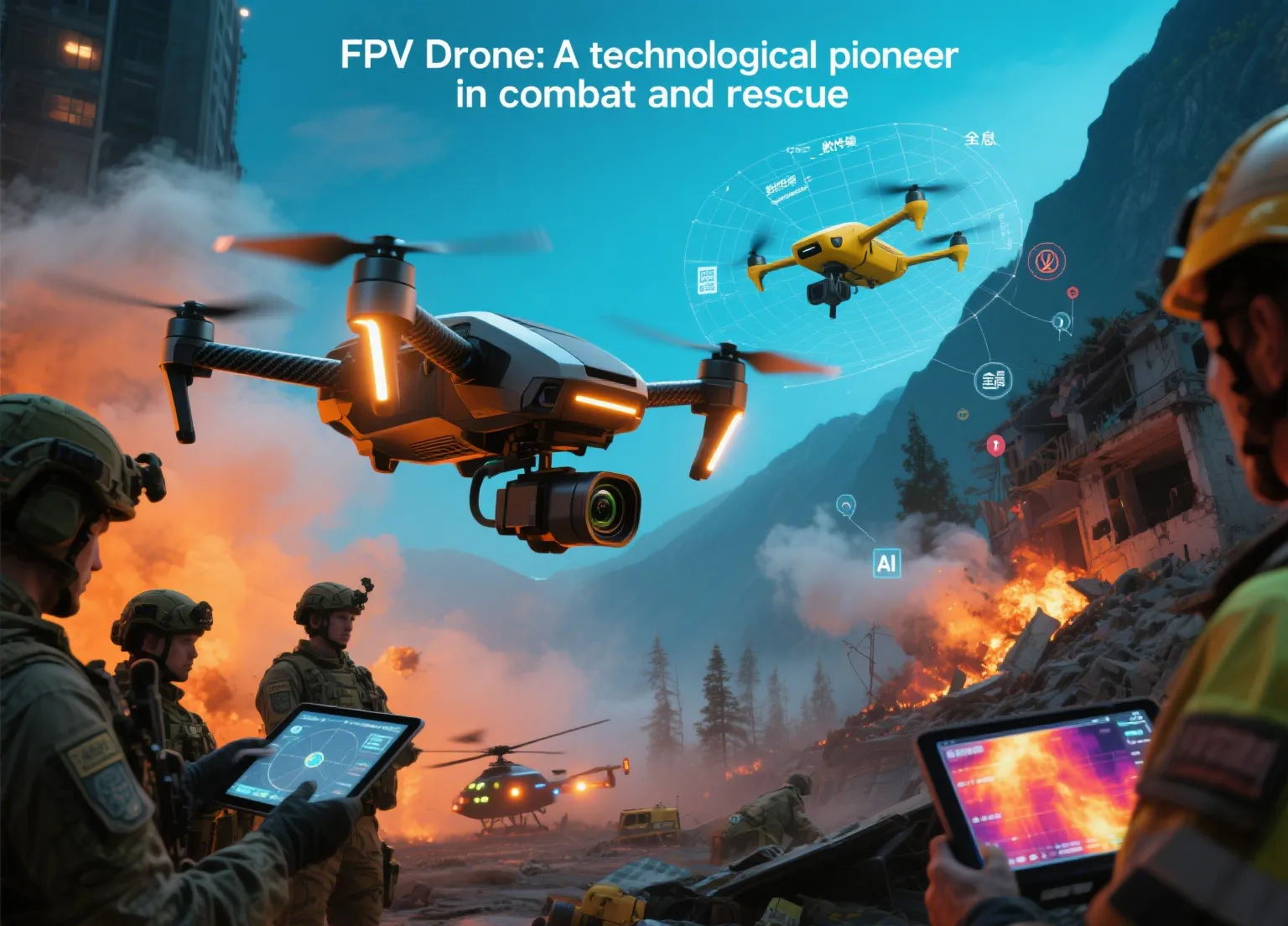
Advanced drone technology is transforming how emergency services locate missing persons, assess disaster situations, and deliver critical supplies with unprecedented speed and efficiency.
How Search and Rescue Drones Are Saving Lives
Search and rescue drones are fundamentally changing emergency response operations, providing capabilities that traditional methods cannot match. These advanced aerial vehicles are equipped with cutting-edge technology that enables them to locate missing persons in hazardous environments, assess disaster situations, and deliver essential supplies. Drones have become indispensable tools in modern rescue missions, with applications ranging from mountain search operations to natural disaster response.
Advanced Drone Platform: D600
The D600 multifunctional flight platform represents the next generation of search and rescue technology. With its compact design, full carbon fiber integration, 680mm wheelbase, and impressive 90-minute flight time (without payload), the D600 provides a customized solution for professional applications across various industries. This advanced platform is particularly well-suited for extended search and rescue operations where endurance and reliability are critical.
Key technologies such as thermal imaging, autonomous flight, and real-time data transmission make drones invaluable in life-saving scenarios. The integration of these technologies allows rescue teams to operate more safely and effectively in challenging conditions.
Search and Rescue Drone Technology Fundamentals
The effectiveness of drones in rescue operations relies on multiple technological components. Multirotor drones provide hovering capability for detailed inspection, while fixed-wing drones offer longer flight times suitable for covering large search areas.
Imaging Systems
High-resolution optical zoom cameras can identify small details from safe distances, such as clothing colors or movement patterns. Thermal imaging cameras detect body heat to locate people at night, in dense vegetation, or under rubble.
Navigation & Communication
GPS and GLONASS systems ensure precise navigation and position marking. First-person view (FPV) systems provide operators with real-time situational awareness. Drones can also integrate beacon receivers to detect personal locator beacons.
Environmental Resilience
Weather-resistant designs enable drone operation in rain, snow, or strong winds, ensuring mission continuity regardless of weather conditions.
D600 Technical Capabilities
The D600 drone features exceptional technical specifications that make it ideal for search and rescue operations. With a 20KM video transmission distance, 90-minute battery endurance (without payload), and remote data link capabilities, it provides the extended operational range needed for large-area searches. The platform’s FPV view and excellent scalability allow for customization based on specific mission requirements.
Key Performance Metrics:
- Flight Time: 90 minutes (no payload)
- Transmission Range: 20KM
- Max Speed: 55 km/h
- Wind Resistance: 10 m/s
- Hovering Accuracy: Vertical ±0.8m, Horizontal ±2.5m
Real-World Applications and Case Studies
Drones have been successfully deployed in various emergency situations, demonstrating their practical value in real-world scenarios.
Successful Deployments
In nighttime mountain rescues, drones using thermal imaging have located missing hikers. During flood disasters, they assess damaged infrastructure and identify people trapped on rooftops. Drone teams employ grid search patterns to systematically cover large areas when searching for missing persons.
Supply Delivery and Assessment
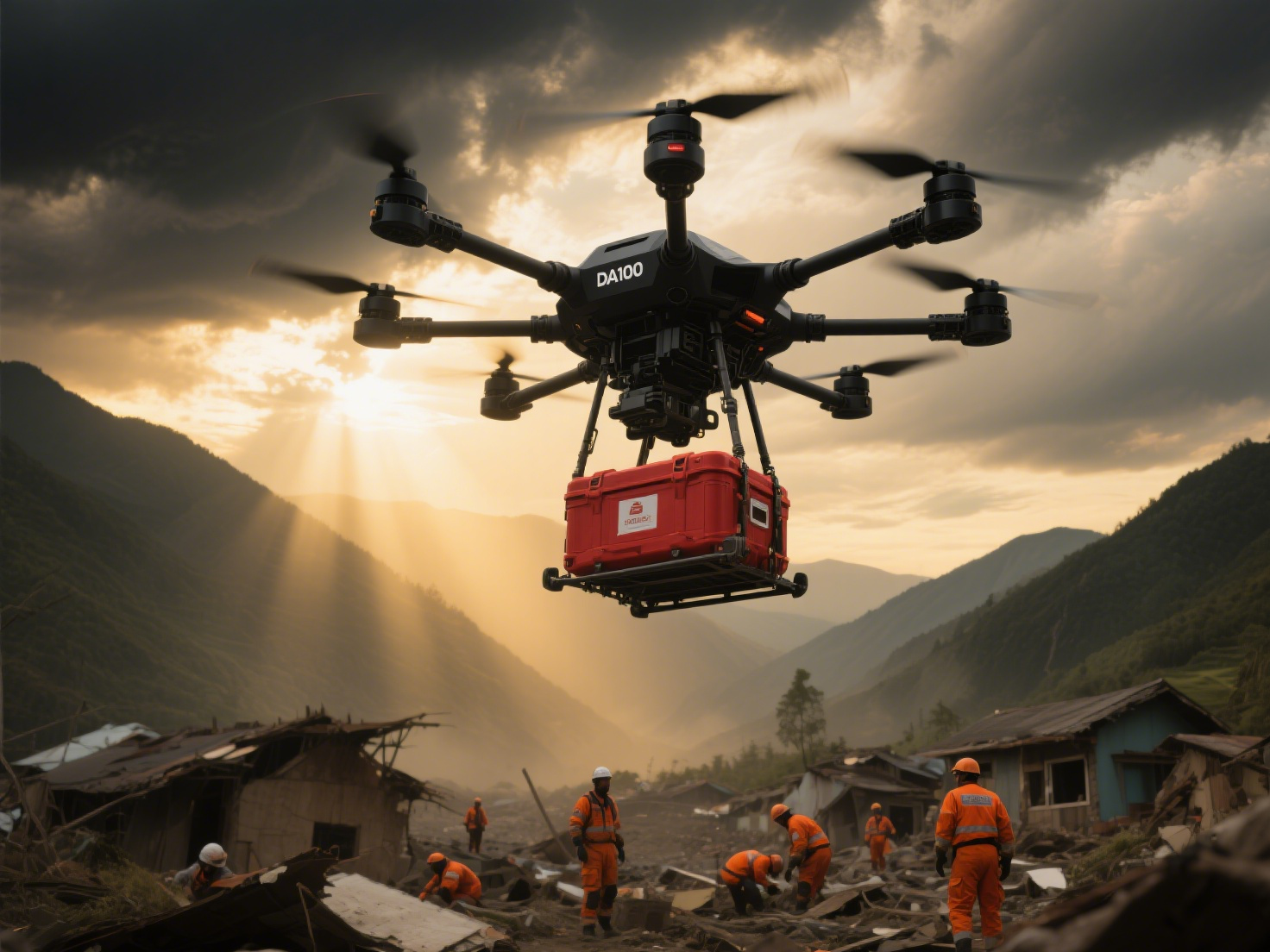
Drones deliver medical supplies, life jackets, or communication equipment to remote areas or disaster sites. High-resolution cameras document disaster damage for resource allocation and insurance claims, while gas sensors assess air quality following hazardous material leaks.
D600 Payload Options for Search and Rescue
The D600 platform offers multiple payload options specifically beneficial for search and rescue operations:
- C10 Gimbal: 2K distortion-free imaging with lightweight design and three-axis stabilization
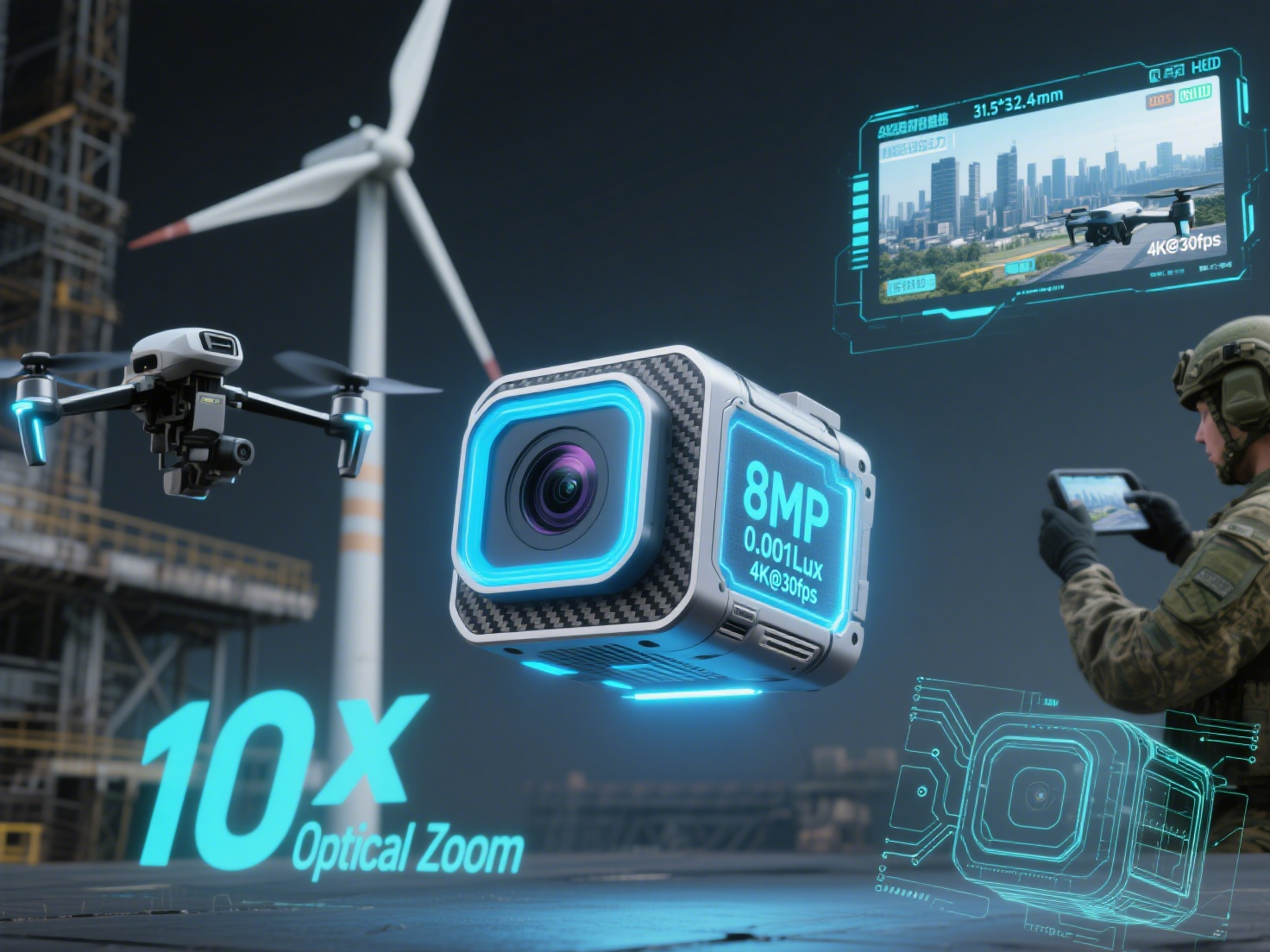
- TQ10N Gimbal: 10x optical zoom, three-axis stabilization, 2K photo and video storage
- C20 Gimbal: 23x optical zoom, three-axis stabilization, adjustable focus spotlight
These advanced gimbal systems enable rescue teams to capture clear imagery in various conditions, from broad area surveys to detailed identification of individuals.
Speaker systems mounted on drones facilitate communication with survivors or provide instructions, enhancing the coordination of rescue efforts.
Innovation and Emerging Technologies
Drone technology continues to evolve, pushing the boundaries of rescue capabilities through innovative approaches and advanced systems.
Artificial Intelligence and Automation
AI algorithms analyze drone footage to automatically detect people or anomalies. Swarm technology enables multiple drones to coordinate efforts, share data, and cover wider areas more efficiently.
Advanced Flight Systems
Autonomous drones can follow pre-programmed search patterns and return precise coordinates without continuous human guidance. The integration with ground robots or underwater ROVs creates comprehensive search systems.
D600 Advanced Control Systems
The D600 features sophisticated control systems that enhance search and rescue operations. The advanced ground station application includes smart waypoint planning, autonomous operation, automatic follow, and one-key return functions. With a 20KM control range and 2K video transmission (4K/60fps with frequency hopping technology for stable transmission), operators maintain clear situational awareness throughout missions.
The intelligent control system features a 7-inch, 1920×1200 IPS high-brightness screen running Android, providing an intuitive interface for complex operations. The smart battery system with high-energy lithium-ion batteries, intelligent discharge, and control systems ensures reliable power management during extended missions.
Hybrid drones combine multirotor and fixed-wing advantages with vertical take-off and landing (VTOL) capability. Tethered drone systems provide continuous power through physical cables, enabling hours of uninterrupted operation. Collision avoidance systems using sensors and AI enable safe navigation in complex environments.
Operational Protocols and Best Practices
Safe and effective rescue missions require adherence to established procedures and protocols that ensure operational success while maintaining safety standards.
Pre-Mission Preparation
Pre-mission checklists include battery levels, sensor functionality, and weather assessments. Airspace coordination protocols ensure drones don’t conflict with rescue helicopters or other aircraft.
Communication and Data Management
Data management procedures securely store and analyze collected footage as evidence. Team communication protocols maintain clear information flow between drone operators, incident commanders, and rescue personnel.
D600 in Professional Applications
The D600 drone is designed for professional applications across multiple sectors:
- Security Applications: Automatic patrols and fixed-point monitoring of specific route areas with real-time monitoring and local recording
- Broadcast Systems: Equipped with high-decibel public address systems for broadcasting to urban and surrounding areas
- Industry Applications: Suitable for power, fire, police, and other industries with customizable specific functions
This versatility makes the D600 an ideal platform for various emergency response scenarios, from natural disasters to security incidents.
Emergency procedures handle drone system failures or weather changes, while privacy considerations balance search efficiency with individual rights. Maintenance plans ensure drone reliability under demanding conditions.
Enhance Your Search and Rescue Capabilities
Discover how the advanced D600 drone platform can transform your emergency response operations with its exceptional endurance, transmission range, and customizable features.
Or browse our complete range of FPV drones for professional applications
Future Directions and Challenges
The future development of drone technology includes battery improvements for extended flight times, while regulatory advancements may enable beyond visual line of sight (BVLOS) operations.
Advances in artificial intelligence and machine learning will accelerate threat detection and decision-making processes. Public acceptance challenges can be addressed through education and demonstration, while cost barriers are mitigated through more affordable professional-grade drone solutions.
Standardization efforts ensure interoperability between different agencies and jurisdictions, while climate change and extreme weather events increase the demand for drone response capabilities. The continuous evolution of platforms like the D600 ensures that search and rescue teams will have access to increasingly sophisticated tools for saving lives.