
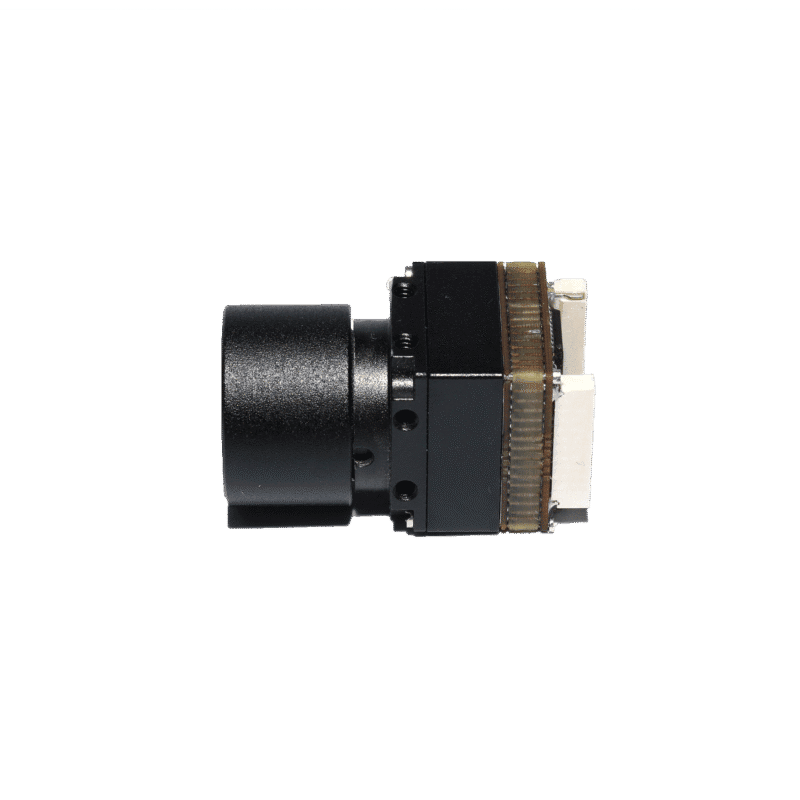
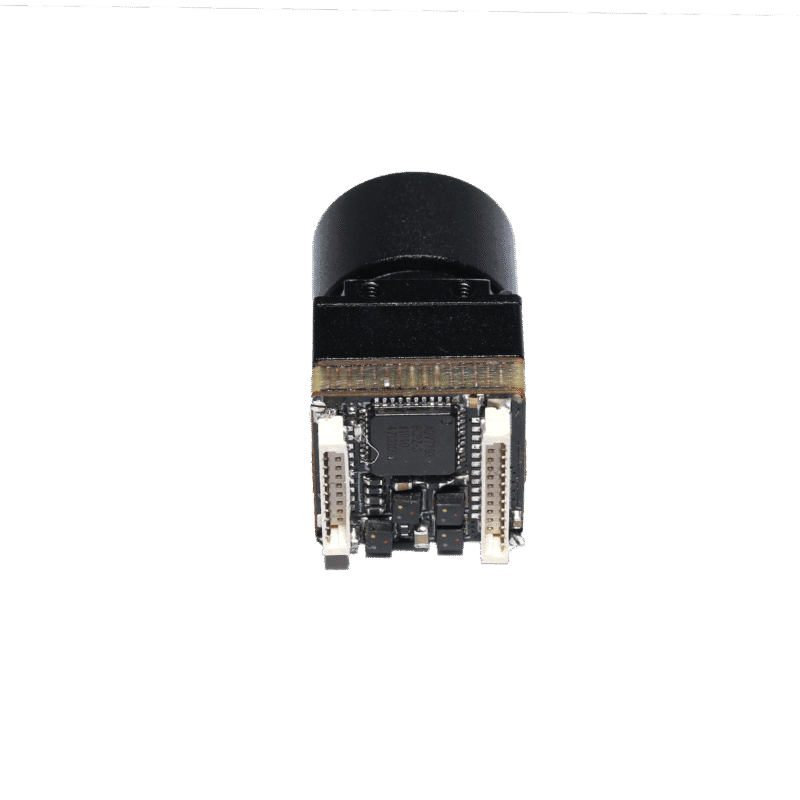
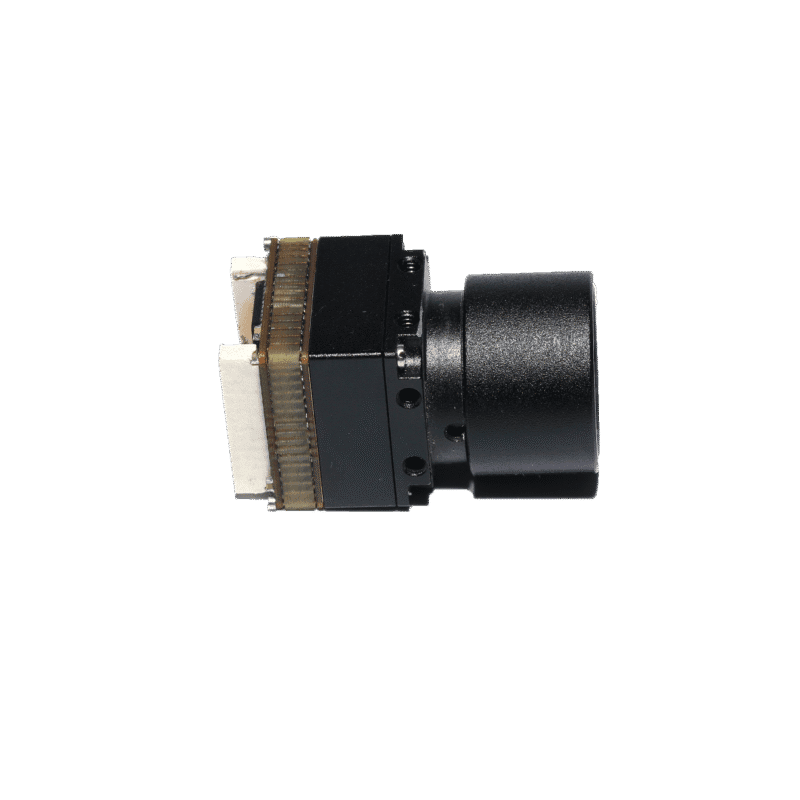
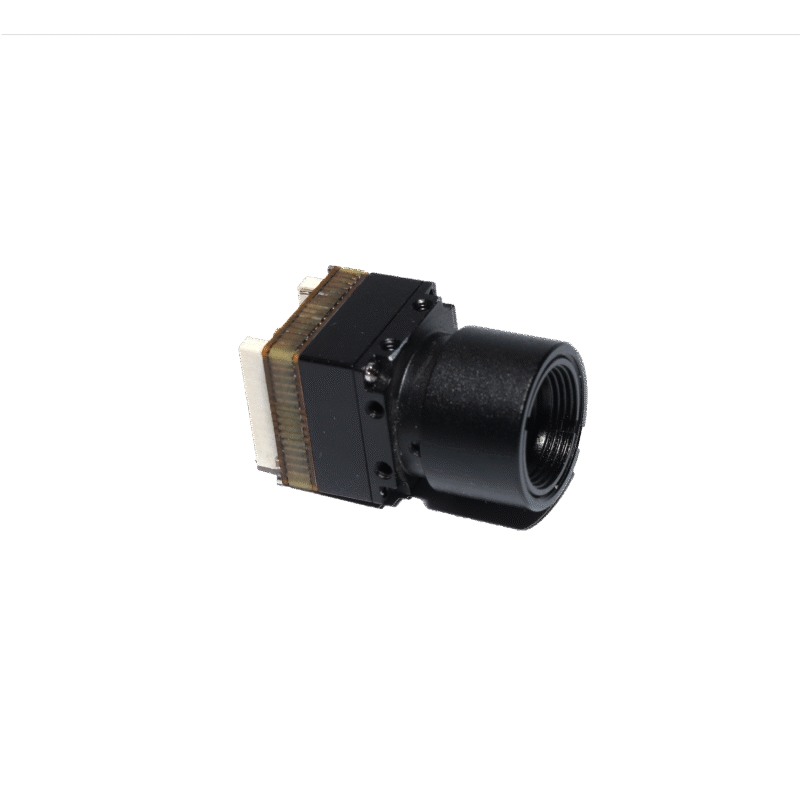
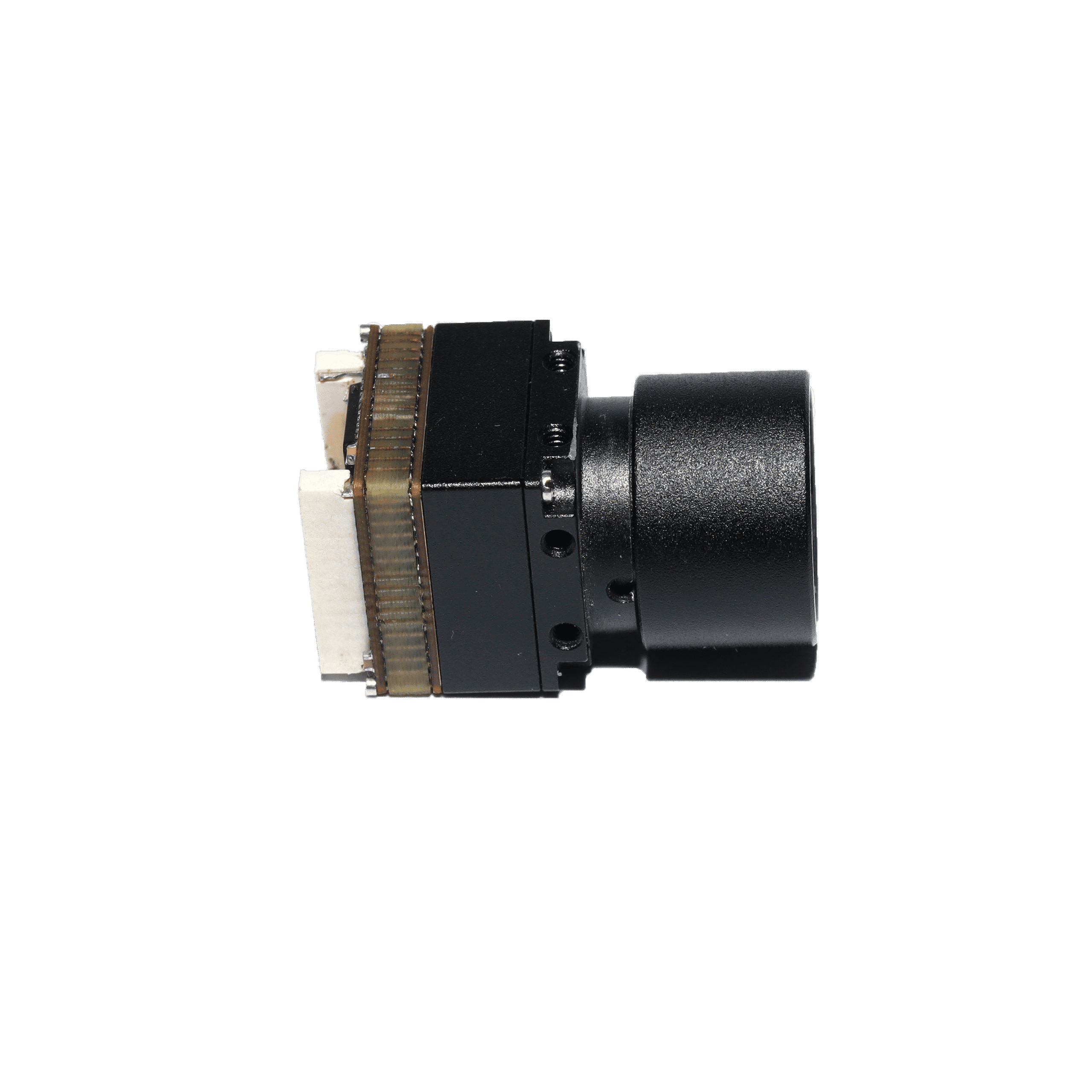
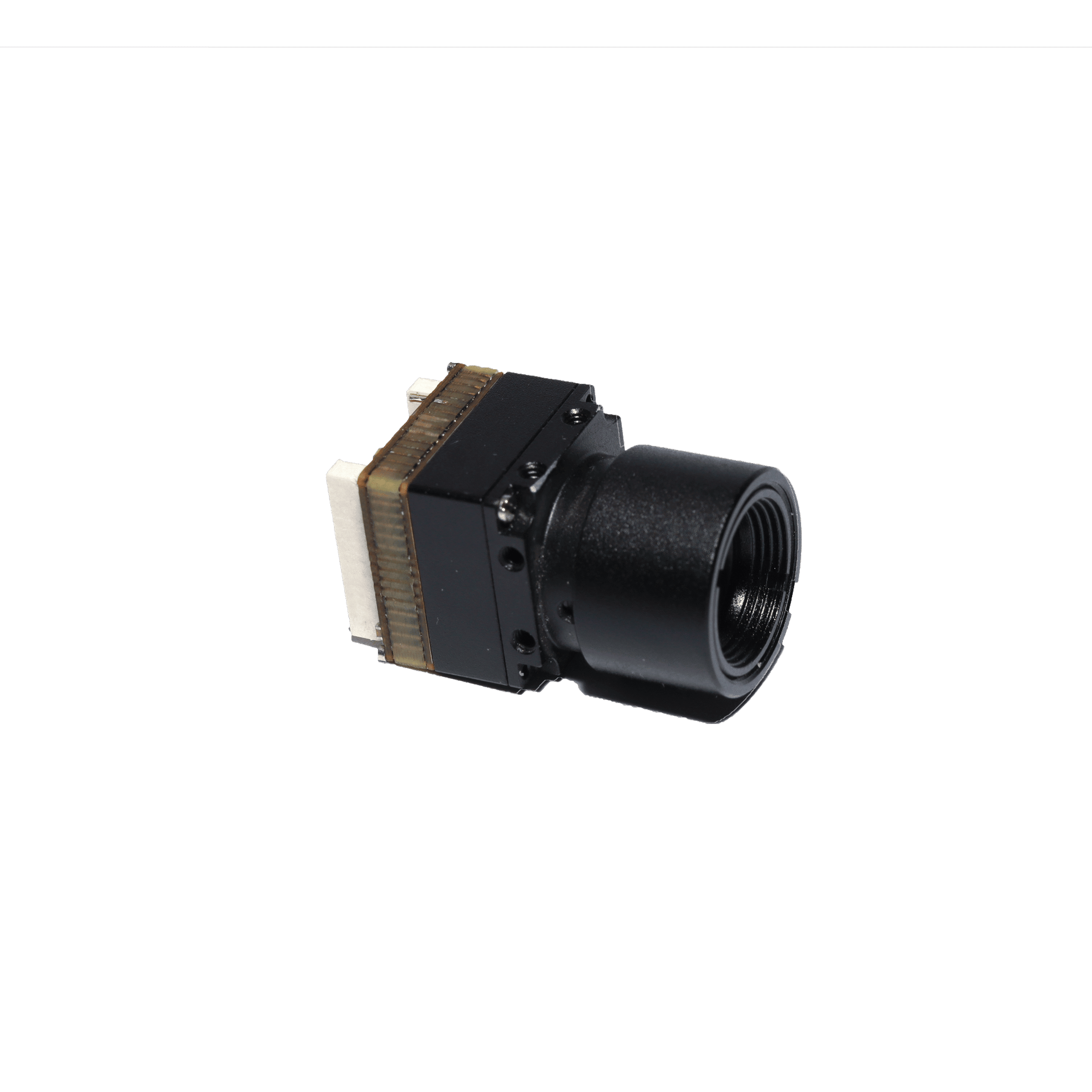
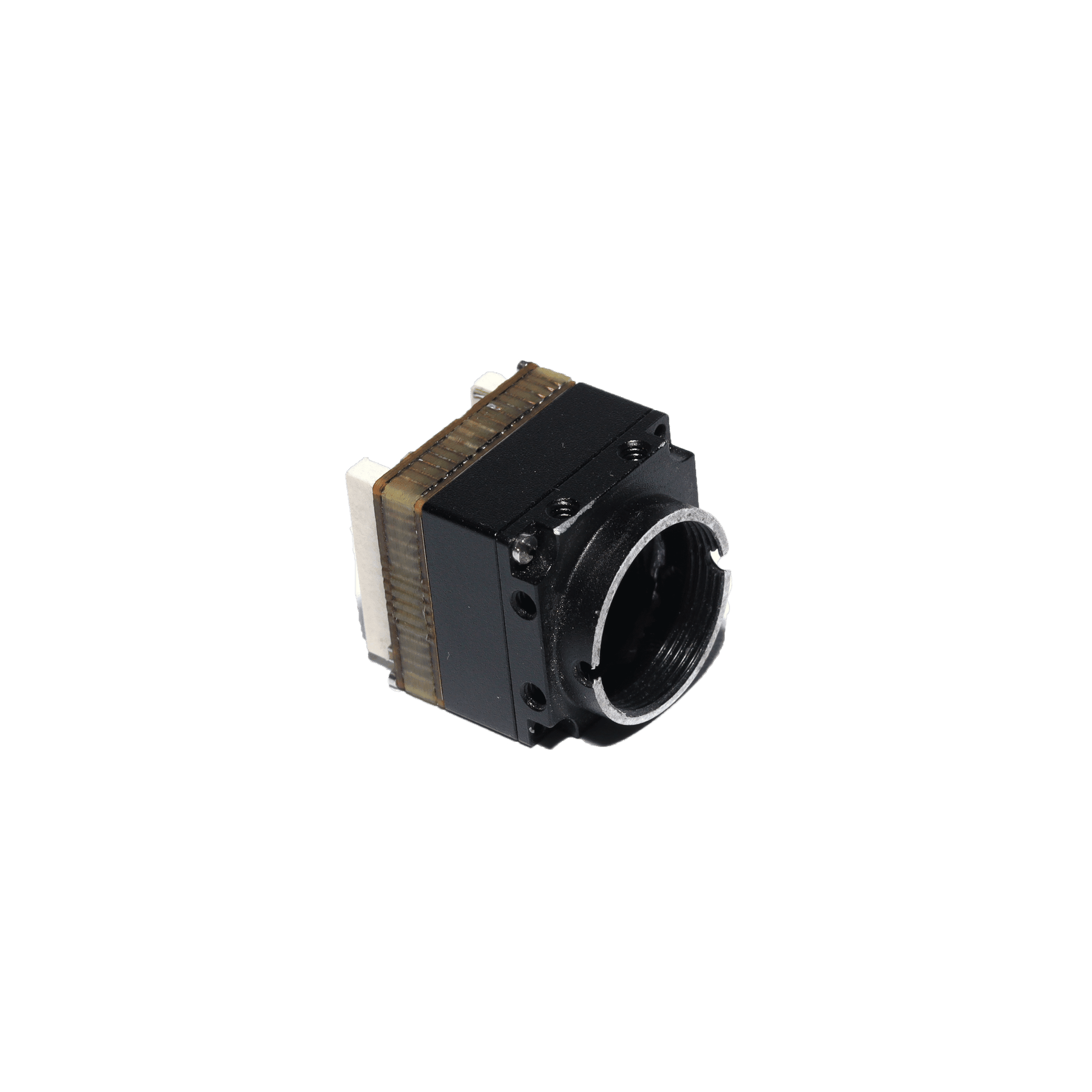
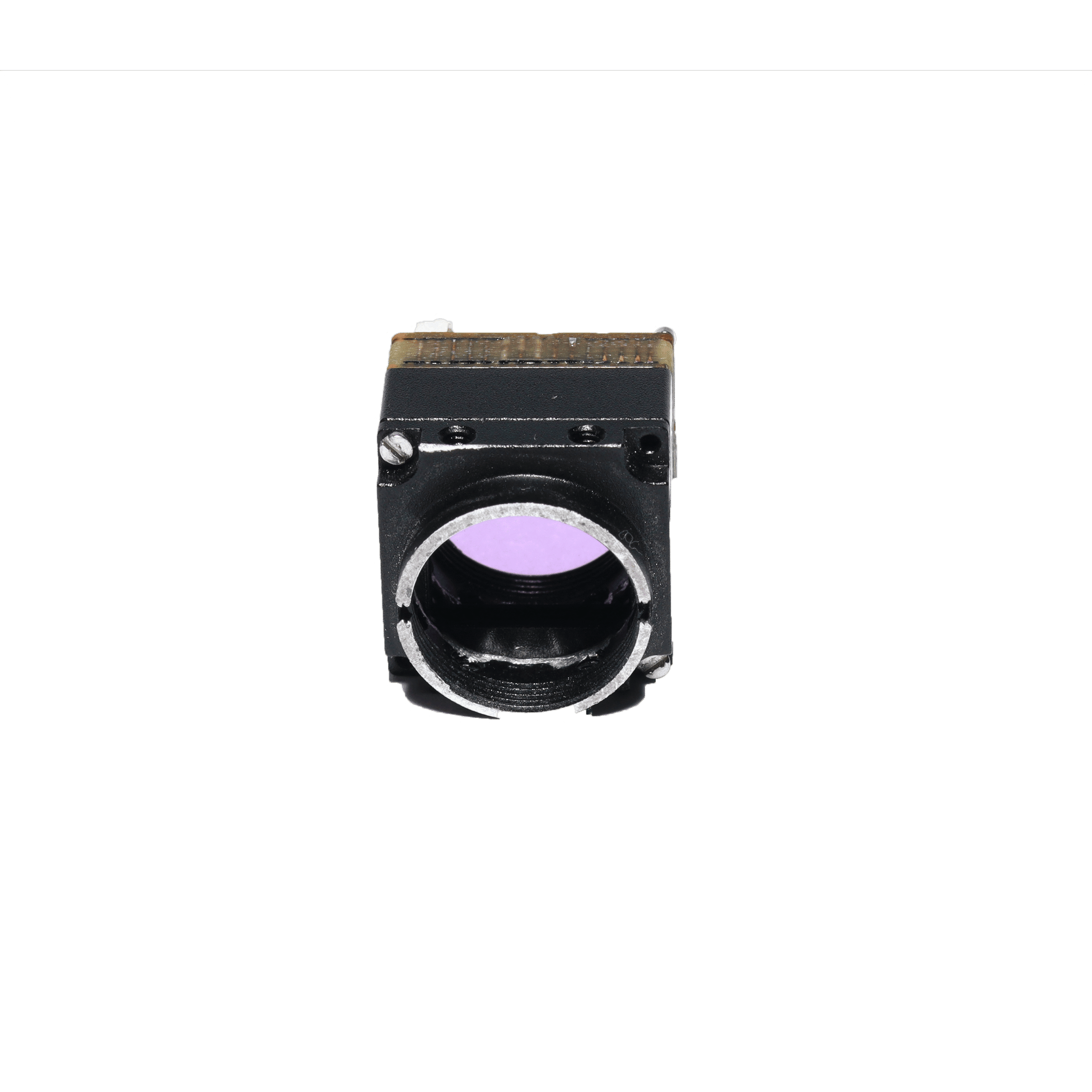
DAI384S Uncooled Infrared Thermal Imaging Module
SKU:DAI384S
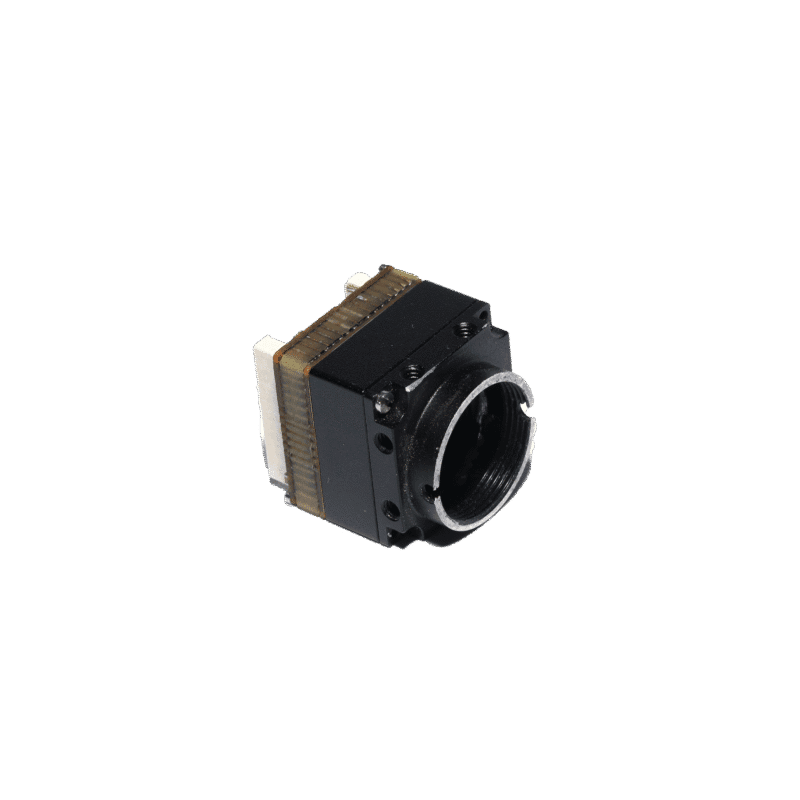
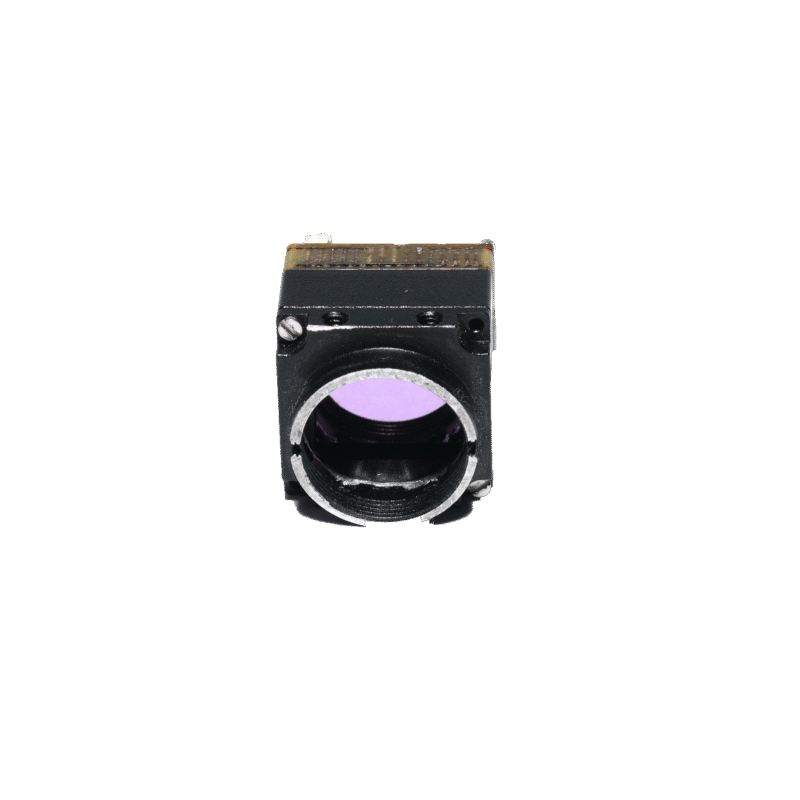
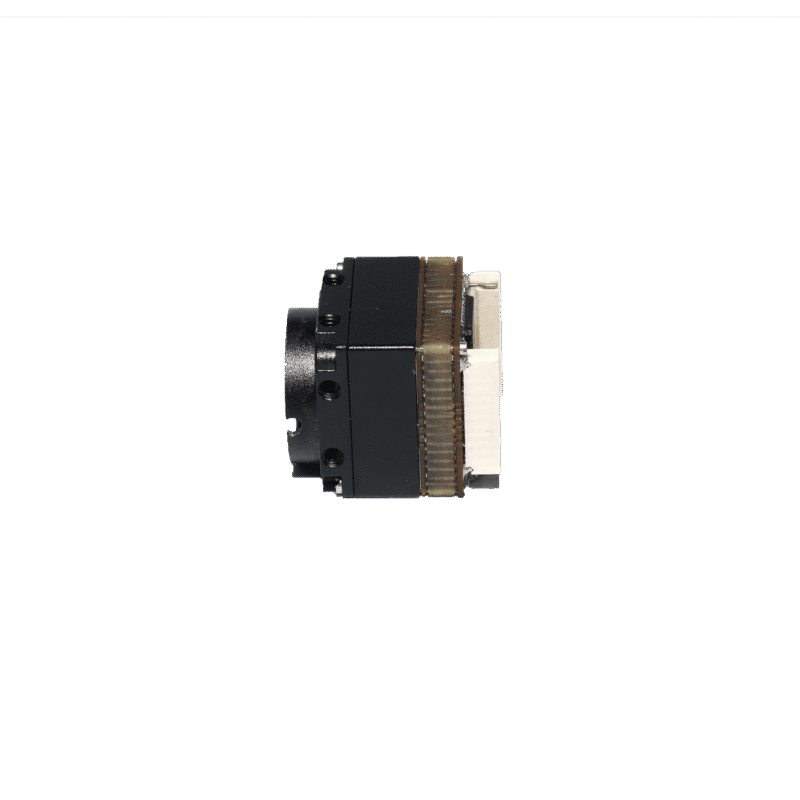
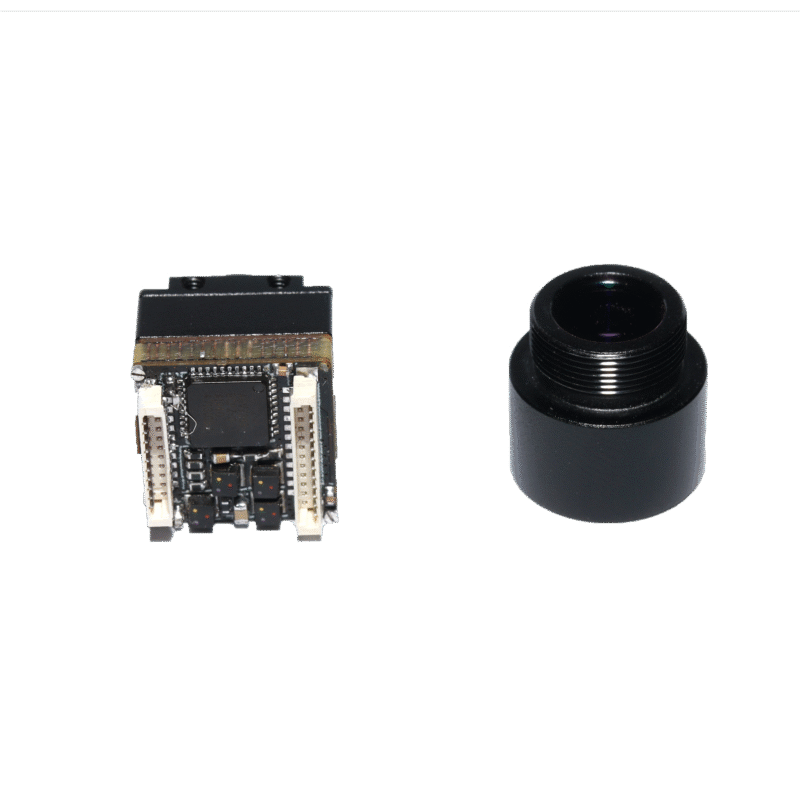
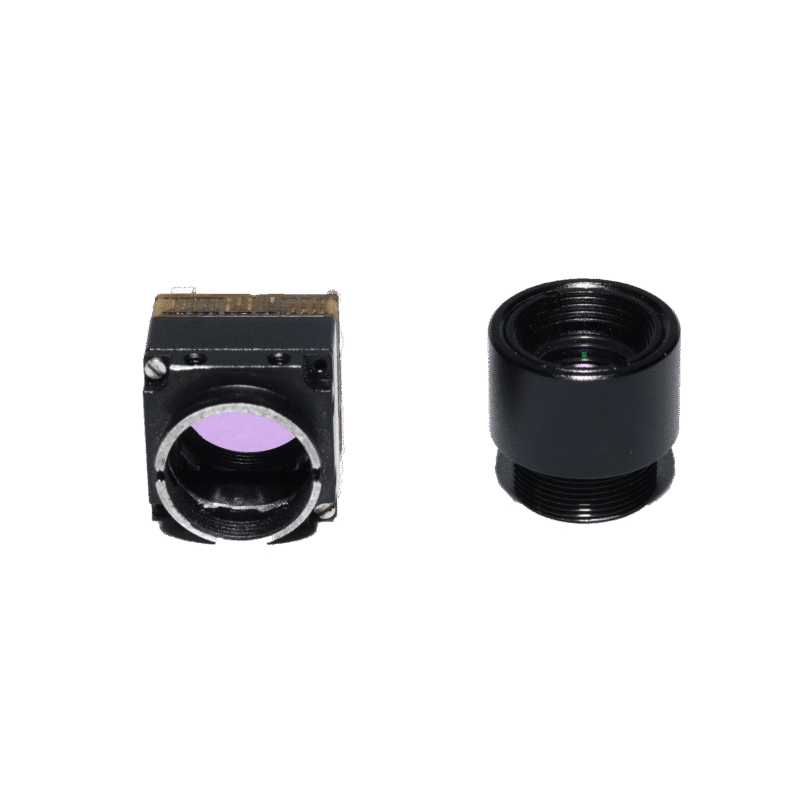
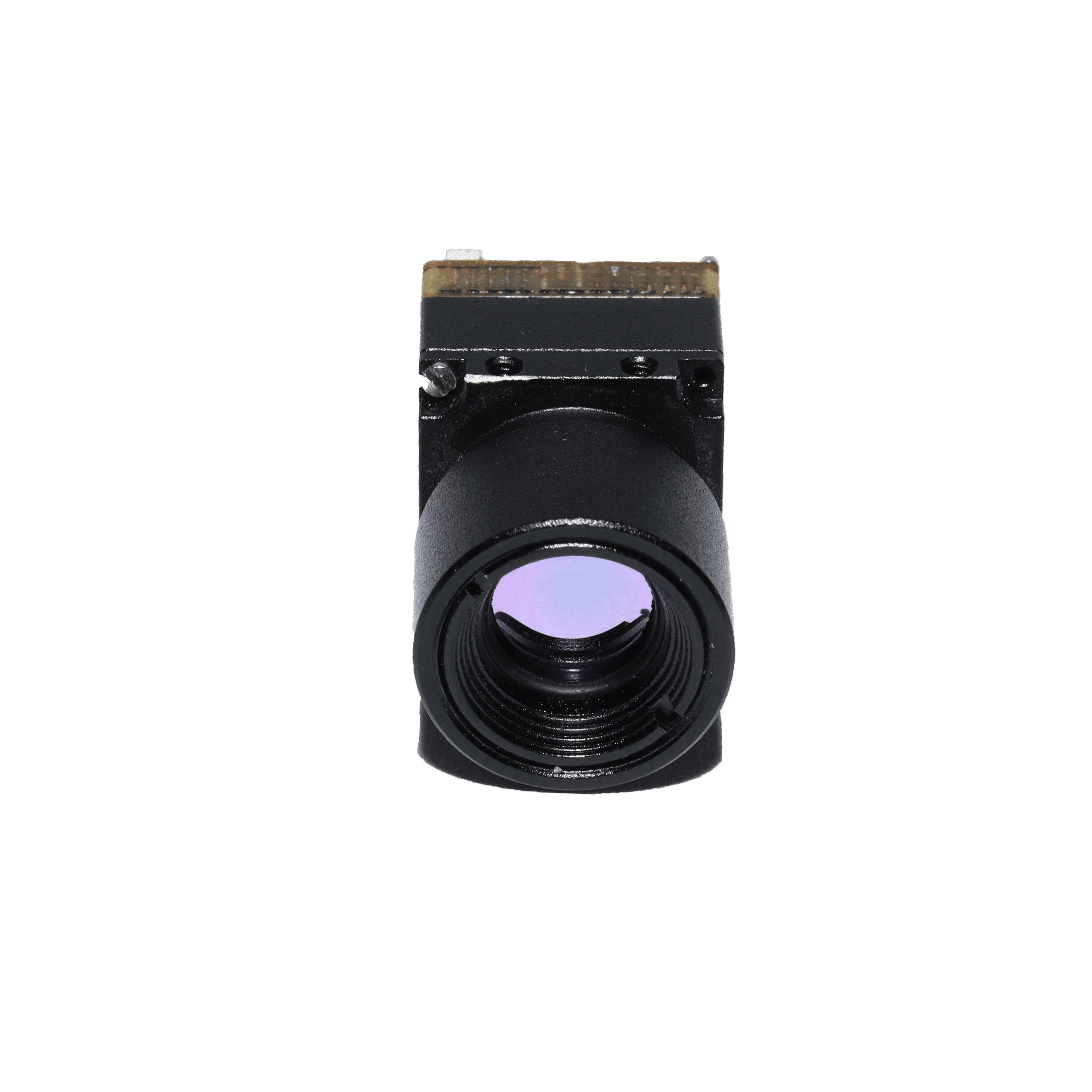
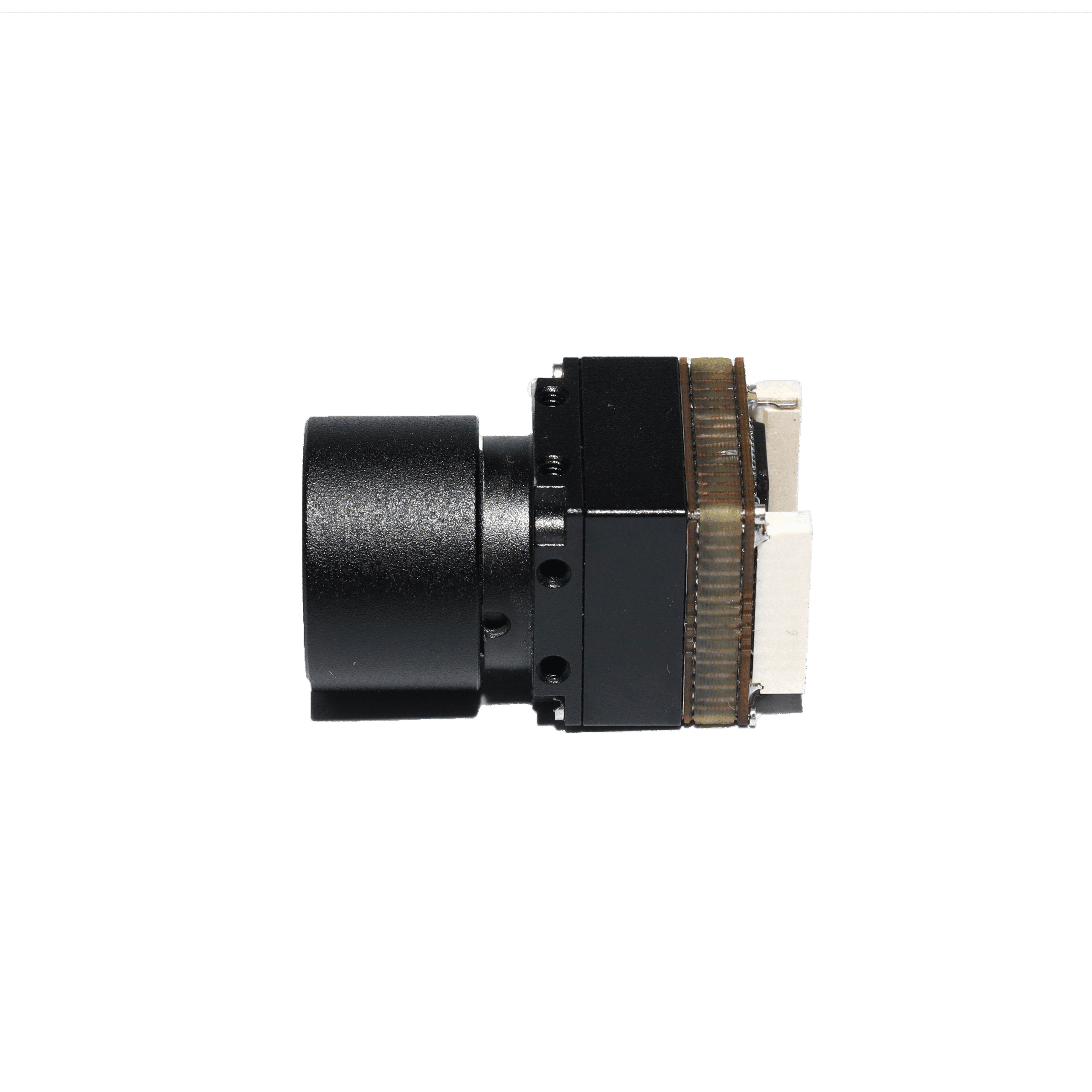
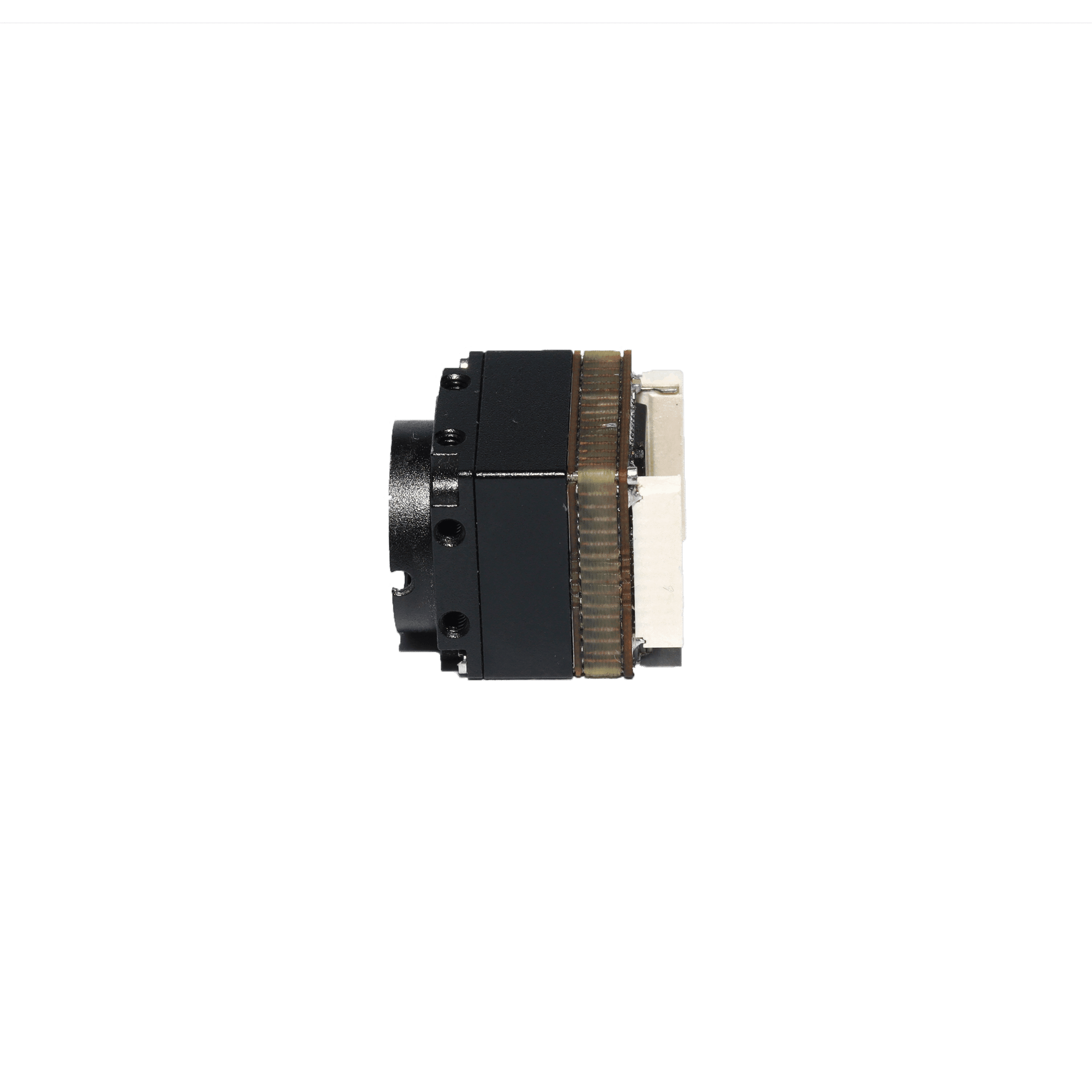
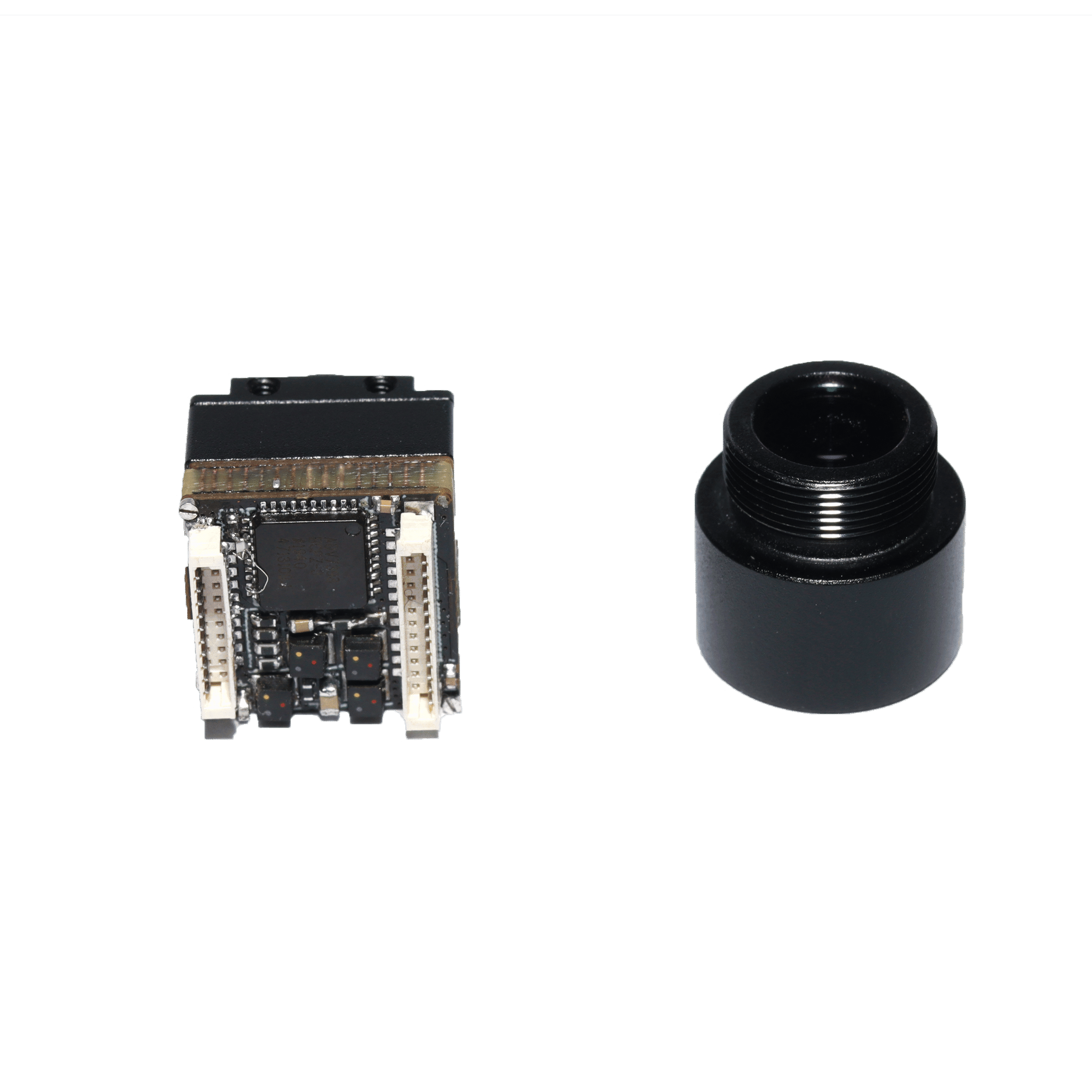
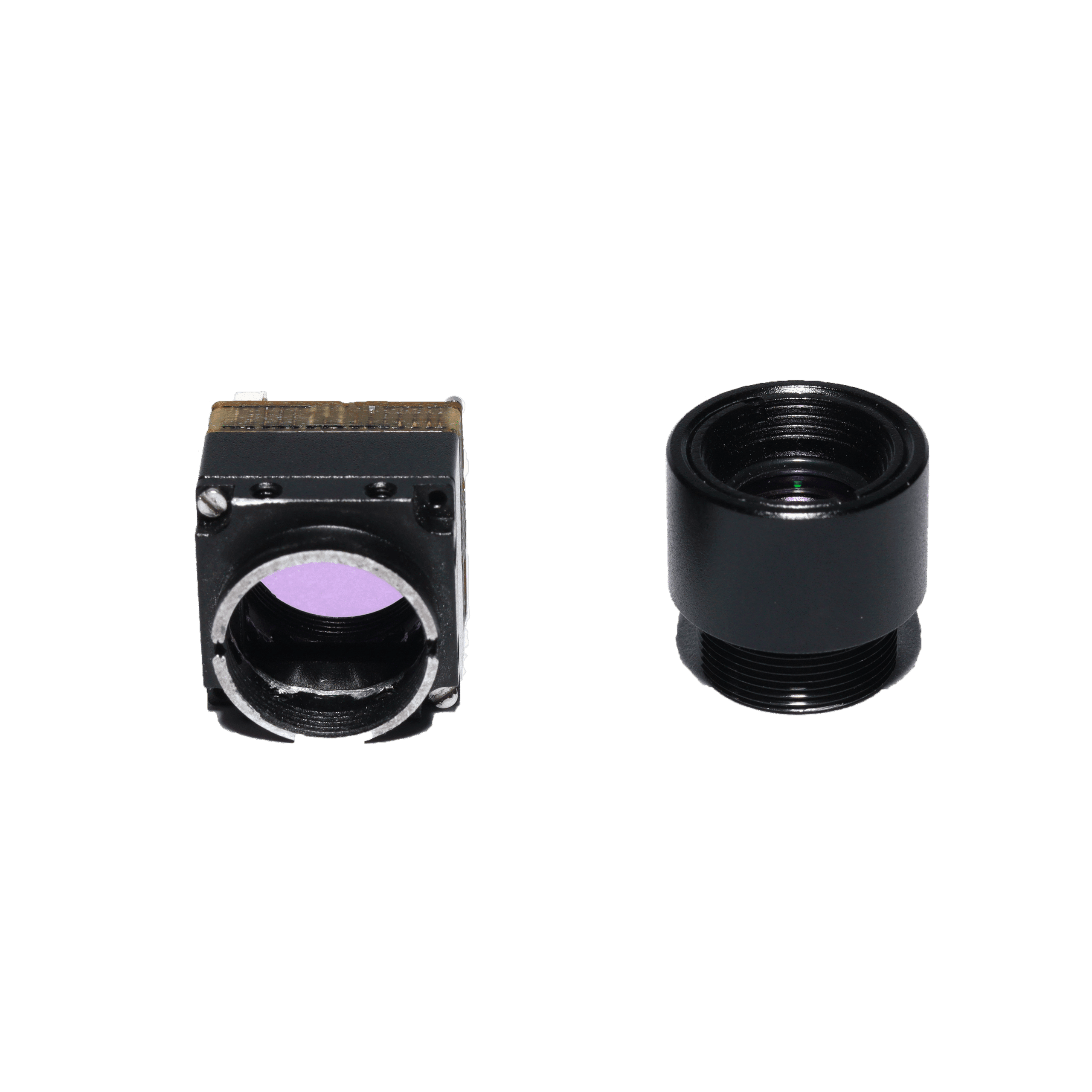
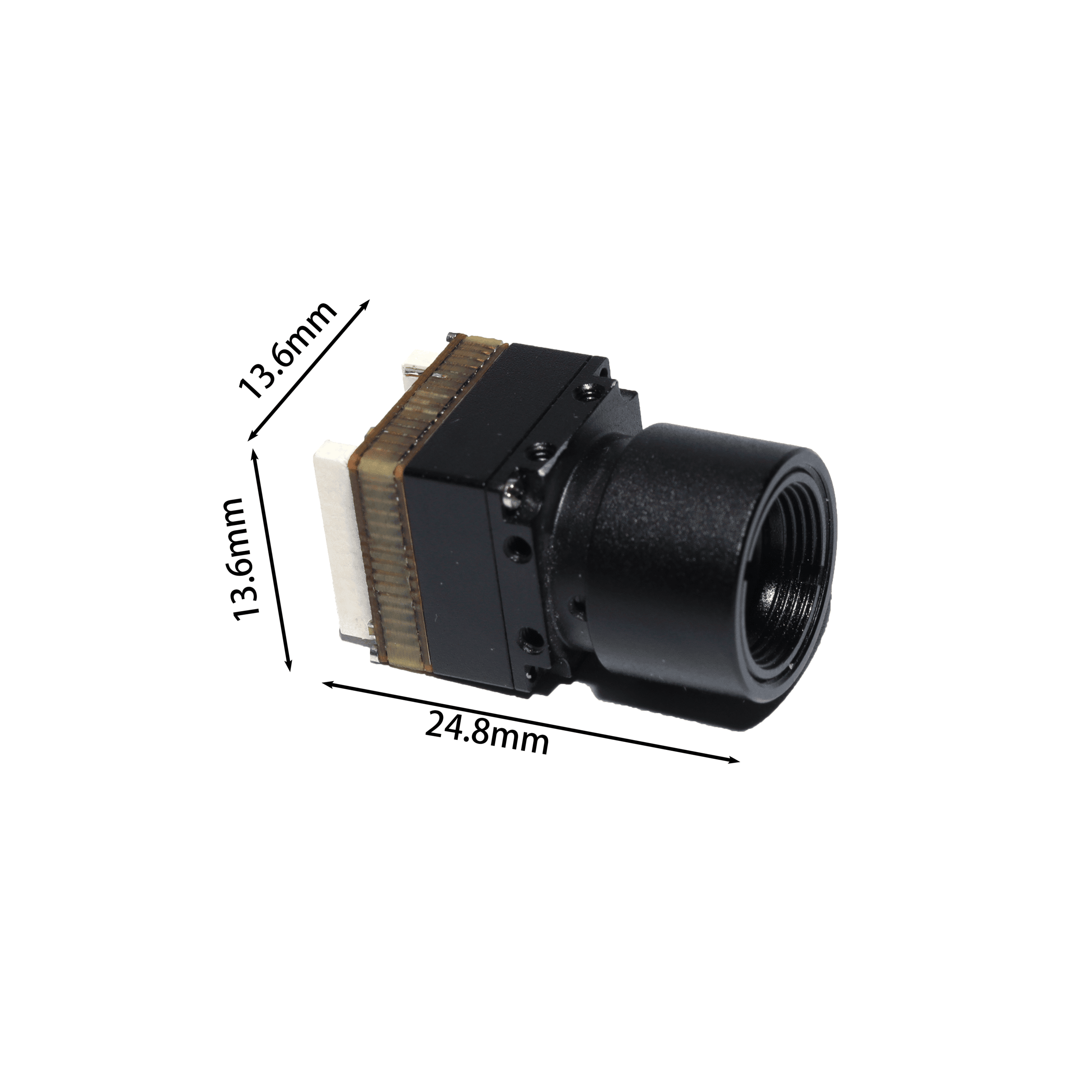
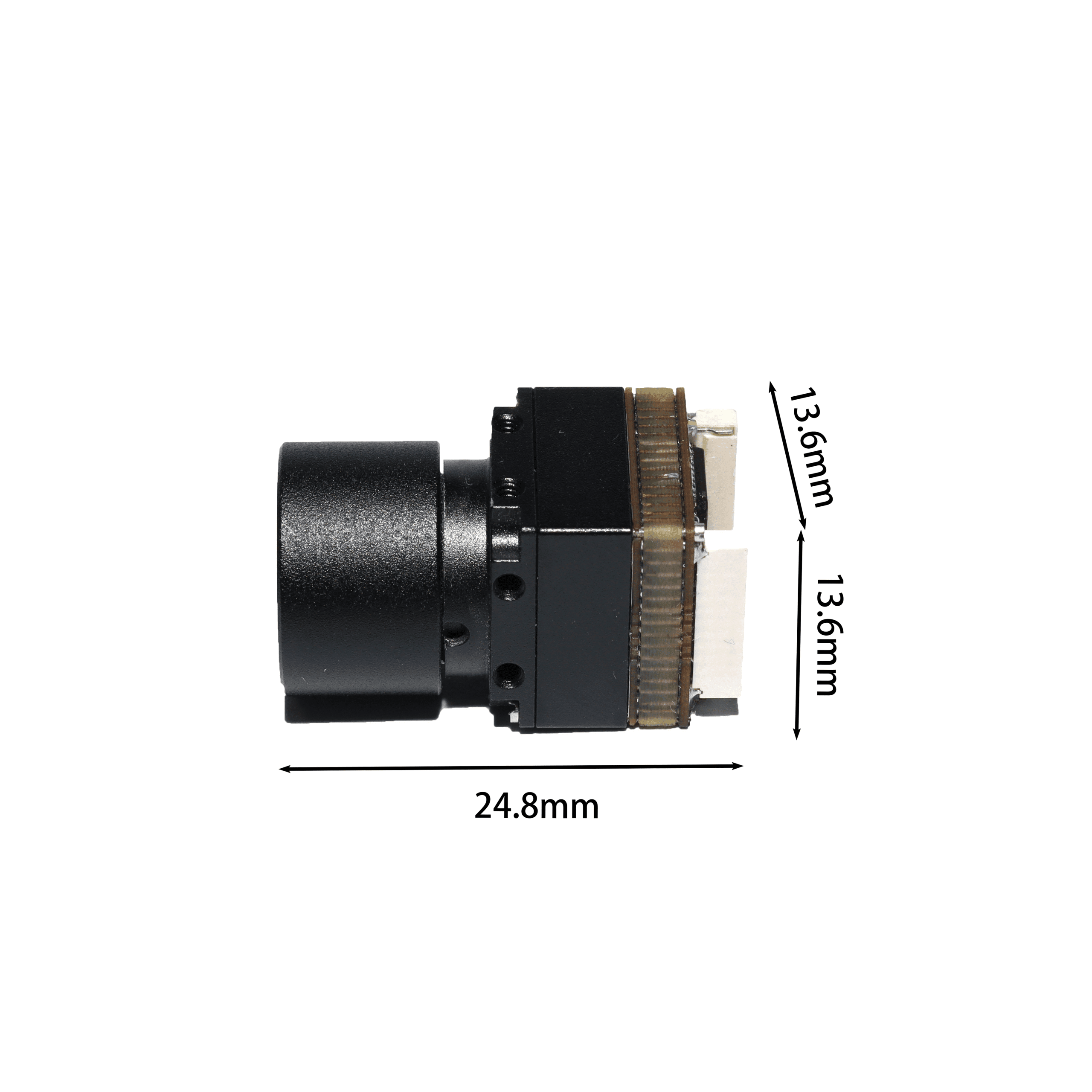
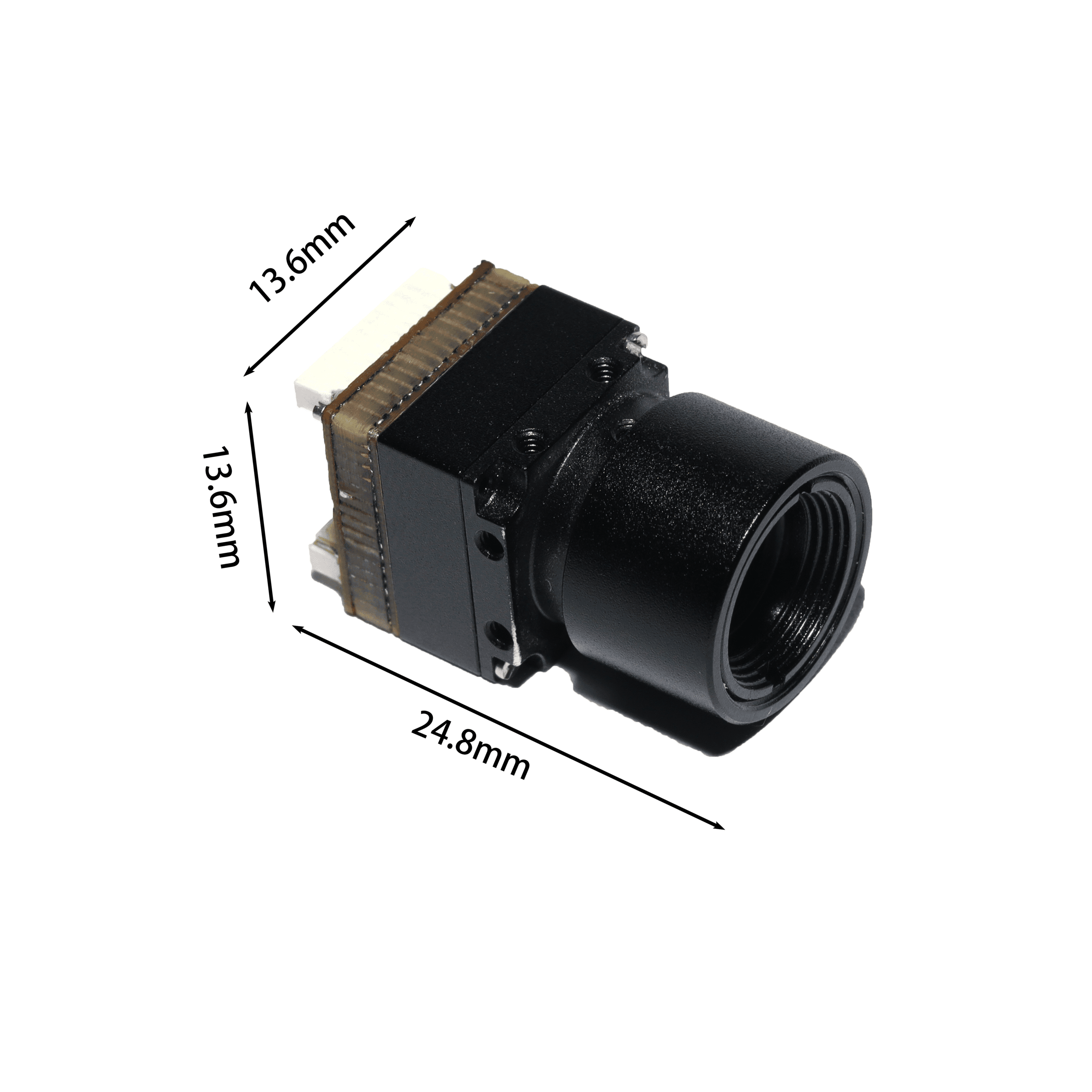
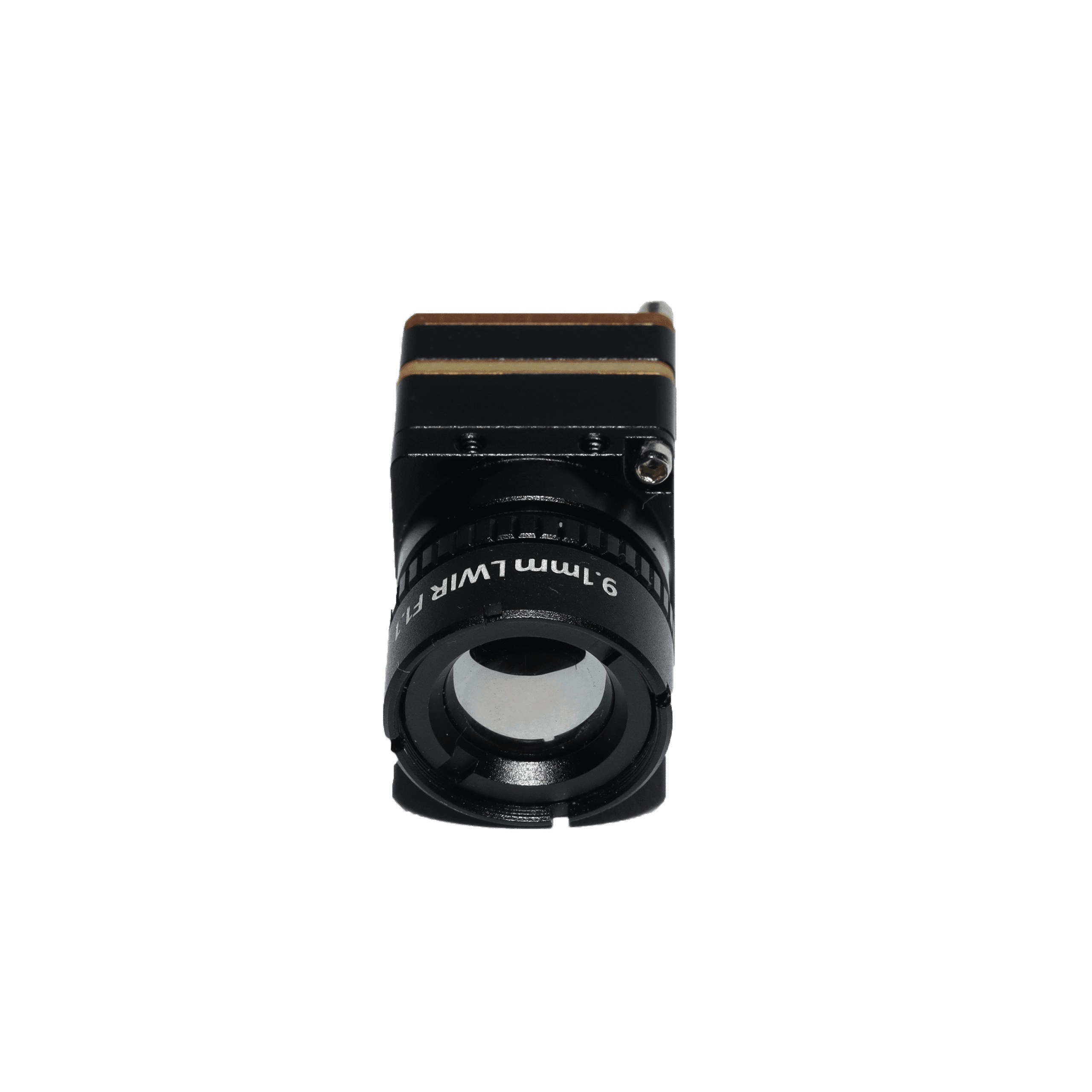
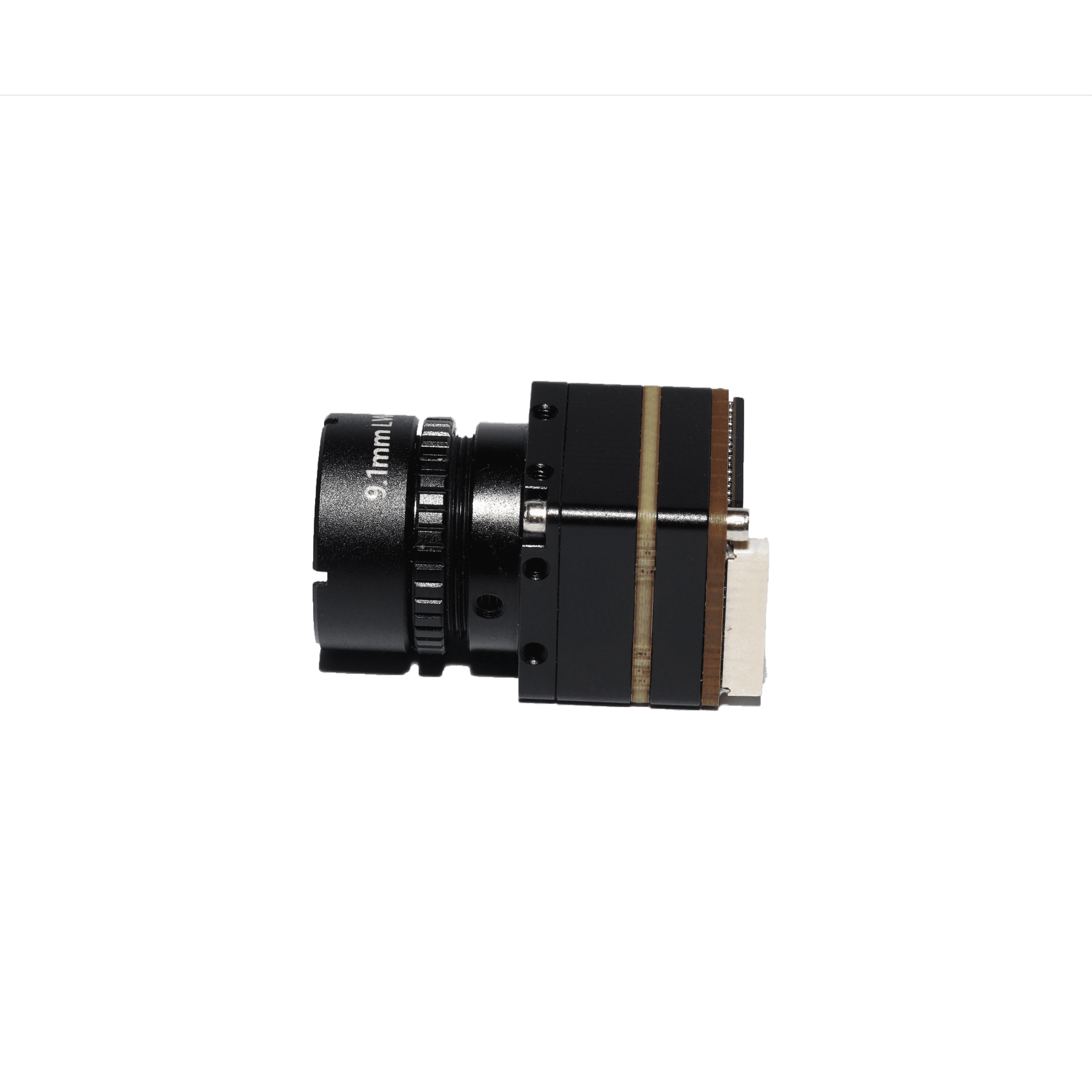
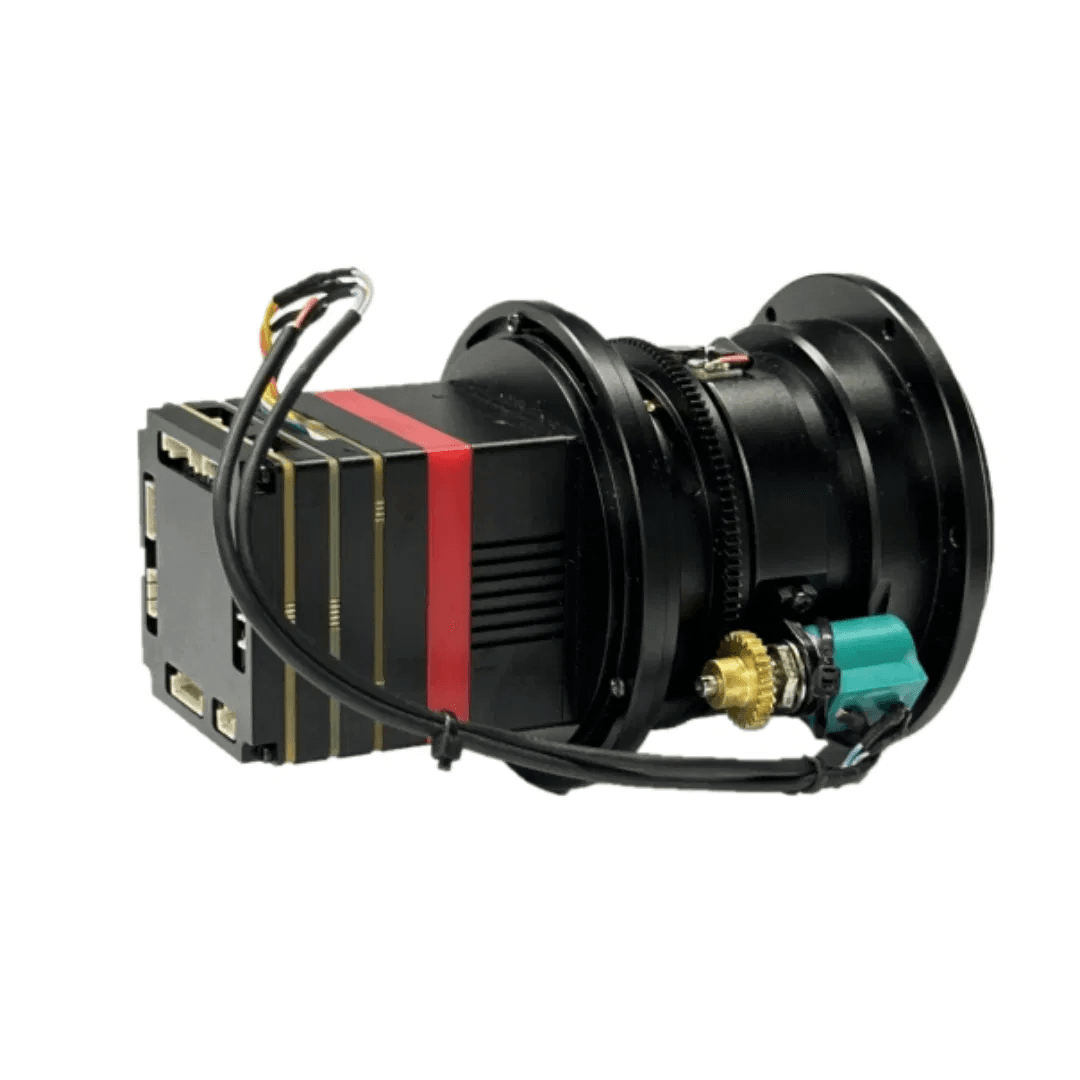
The DAI384S is an ultra‑compact uncooled infrared thermal imaging module featuring a micro‑shutter and a compact 28×28×30 mm footprint. Designed for portability and low‑power operation, it delivers ultra‑high sensitivity and versatile configuration options, including multiple lens choices and flexible digital/communication interfaces. This makes it an ideal solution for cost‑effective OEM assembly and integration in applications demanding miniaturisation, low power consumption and reliable thermal imaging.
Share on:
1. DAI384S Uncooled Infrared Thermal Imaging Module Overview
The DAI384S is an ultra‑compact uncooled infrared thermal imaging module featuring a micro‑shutter and a compact 28×28×30 mm footprint. Designed for portability and low‑power operation, it delivers ultra‑high sensitivity and versatile configuration options, including multiple lens choices and flexible digital/communication interfaces. This makes it an ideal solution for cost‑effective OEM assembly and integration in applications demanding miniaturisation, low power consumption and reliable thermal imaging.
2. Product Features
- Ultra‑small form factor: 28×28×30 mm size fits seamlessly into space‑limited devices.
- Ultra‑low power consumption: < 1 W typical, suitable for battery‑powered portable systems.
- Ultra‑high sensitivity: ≤40 mK @ f/1.0 ensures sharp thermal images with excellent temperature differentiation.
- Micro‑shutter technology: Enables reliable operation and consistent image quality across varying scenes.
- Adaptive non‑uniformity correction: Maintains image uniformity without mechanical shutter interruptions.
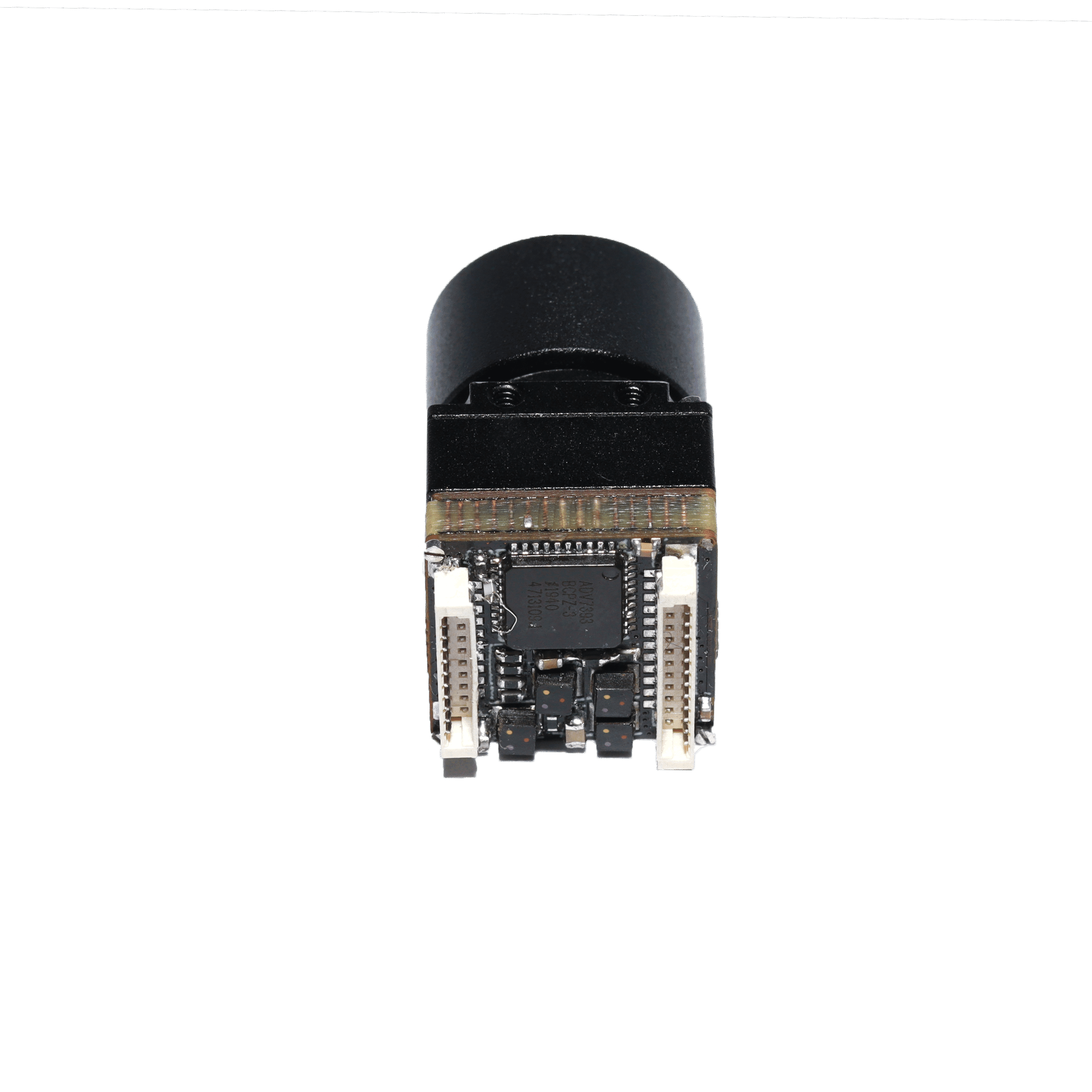
- Flexible interface options: Digital video (BT.656/HDMI/RJ45) and multiple communication protocols (RS‑232/RS‑485/TTL/Peclo‑D) for easy system integration.
- Wide power input range: Accepts DC +4V to +12V, simplifying power supply design.
- Robust environmental performance: Wide operating temperature (-40°C to +60°C) and military‑grade vibration/shock resistance.
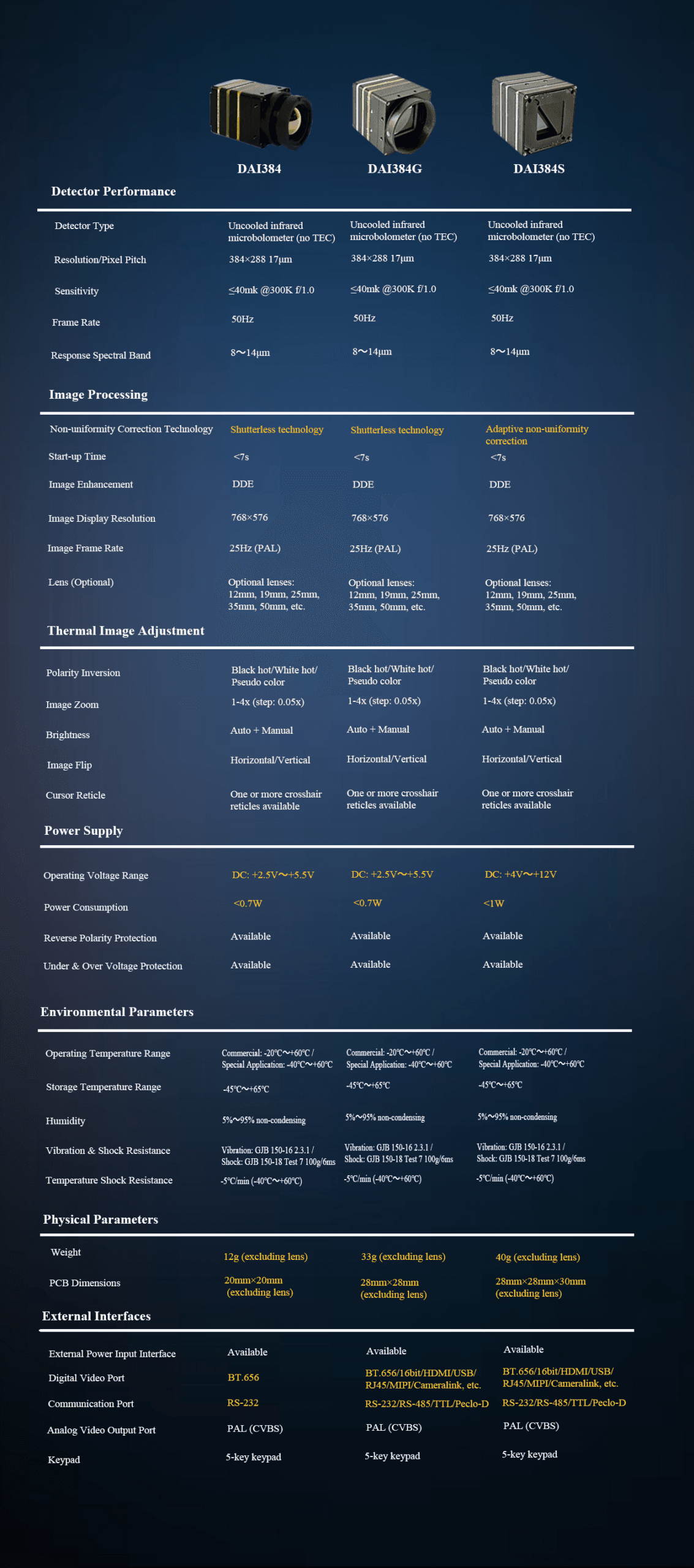
3. Detailed Technical Parameters
| Parameter | Specification |
|---|---|
| Detector Type | Uncooled infrared microbolometer (no TEC) |
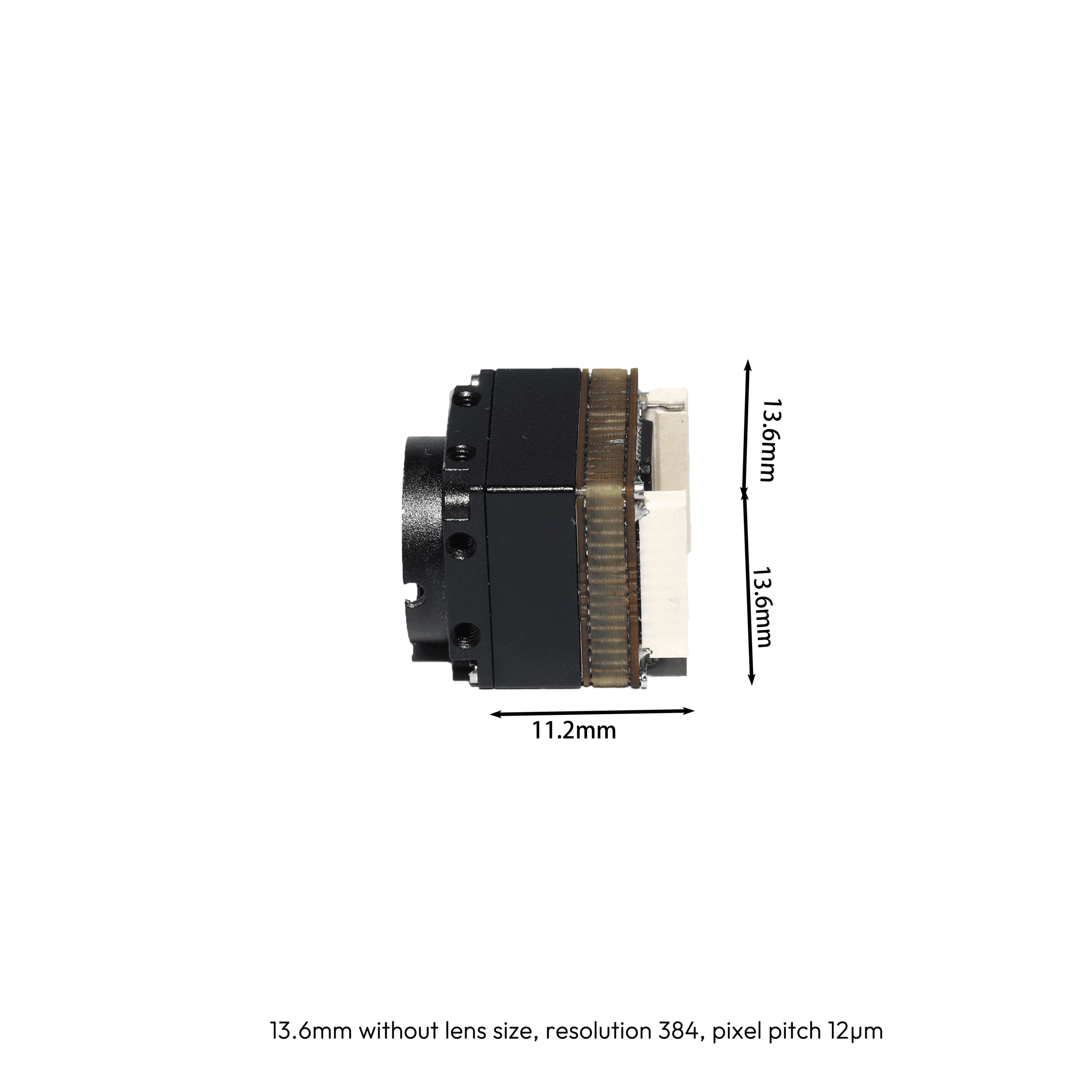
| Resolution / Pixel Pitch | 384 × 288 / 17 μm |
| Sensitivity (NETD) | ≤40 mK @ 300 K, f/1.0 |
| Frame Rate | 50 Hz |
| Spectral Band | 8 – 14 μm (LWIR) |
| Non‑uniformity Correction | Adaptive non‑uniformity correction |
| Start‑up Time | < 7 seconds |
| Image Enhancement | Digital Detail Enhancement (DDE) |
| Display Resolution | 768 × 576 pixels |
| Display Frame Rate | 25 Hz (PAL format) |
| Optional Lenses | 12 mm, 19 mm, 25 mm, 35 mm, 50 mm, etc. |
| Polarity Modes | Black hot / White hot / Pseudo colour |
| Digital Zoom | 1.0× – 4.0× (step 0.05×) |
| Brightness Control | Auto + Manual |
| Image Flip | Horizontal / Vertical |
| Cursor Reticle | One or more crosshair reticles available |
| Operating Voltage Range | DC +4 V … +12 V |
| Power Consumption | < 1 W |
| Reverse Polarity Protection | Yes |
| Under & Over Voltage Protection | Yes |
| Operating Temperature Range | Commercial: -20°C … +60°C Special application: -40°C … +60°C |
| Storage Temperature Range | -45°C … +65°C |
| Humidity | 5% … 95% (non‑condensing) |
| Vibration & Shock Resistance | Vibration: GJB 150-16 2.3.1 Shock: GJB 150-18 Test 7, 100g/6ms |
| Temperature Shock Resistance | -5°C/min (-40°C … +60°C) |
| Weight | 40 g (excluding lens) |
| Module Dimensions (PCB) | 28 mm × 28 mm × 30 mm (excluding lens) |
| External Power Input | Available |
| Digital Video Port | BT.656 / HDMI / RJ45, etc. |
| Communication Port | RS‑232 / RS‑485 / TTL / Peclo‑D |
| Analog Video Output | PAL (CVBS) |
| External Control | 5‑key keypad |
4. Application Scenarios
- Security & surveillance: Perfect for covert monitoring, perimeter protection and night vision systems requiring compact size and low power.
- Industrial predictive maintenance: Enables non‑contact temperature monitoring of electrical cabinets, machinery and rotating equipment in tight spaces.
- Handheld thermal cameras: Lightweight design and multiple interface options allow easy integration into portable diagnostic tools for firefighters, building inspectors and field service technicians.
- UAV / drone payloads: Ultra‑compact form factor and low weight make it ideal for aerial thermal imaging in search & rescue, agriculture and infrastructure inspection.
- Automotive night vision: Micro‑shutter technology and high sensitivity enhance driver assistance systems with reliable thermal perception.
Related Products
-
 HI640SNew
HI640S Uncooled Infrared Thermal Imaging Module
Cameras -
DAI640ProNew
DAI640Pro Uncooled Infrared Thermal Imaging Module
Cameras -
DAI640GNew
DAI640G Uncooled Infrared Thermal Imaging Module
Cameras -
DAI640New
DAI640 Uncooled Infrared Thermal Imaging Module
Cameras -
 DA MicroProNew
DA MicroPro Uncooled Infrared Thermal Imaging Module
Cameras -
DAI384GNew
DAI384G Uncooled Infrared Thermal Imaging Module
Cameras -
DAI384New
DAI384 Uncooled Infrared Thermal Imaging Module
Cameras -
 D-C50EW
D-C50EW Lwir 50mm Focal Lens Motorized 640*512 IP and CVBS Output Thermal Imaging Camera
Cameras